








What's Happening?
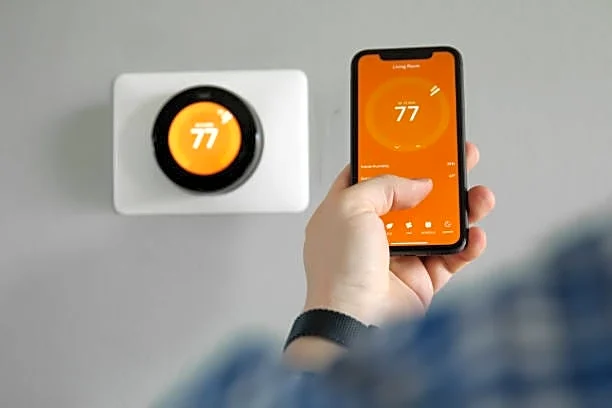
Smart ceiling fans are evolving beyond basic functionality, integrating with home Wi-Fi networks to offer advanced control options for U.S. users. These fans can be controlled via mobile apps, traditional remote controls, and popular voice assistants
like Amazon Alexa and Google Assistant. Key smart features include remote access, advanced scheduling and timers, fine-tuning of fan speeds and lighting, and integration with other smart home devices for automated routines. Some advanced models can even learn user preferences or adjust based on room temperature and humidity. This dual-control approach, combining app-based features with the immediate convenience of a physical remote, aims to provide ultimate flexibility and convenience for homeowners.
Why It's Important?
The rise of smart ceiling fans signifies a growing trend in the U.S. smart home market towards integrated and energy-efficient solutions. For consumers, these fans offer unparalleled convenience, allowing them to adjust settings from anywhere, set detailed schedules, and integrate with existing smart home ecosystems. This hands-free operation, particularly through voice commands, enhances comfort and simplifies daily life. From an energy efficiency standpoint, smart features like scheduling and integration with smart thermostats can optimize air circulation, potentially reducing HVAC workload and leading to lower energy bills. This aligns with increasing consumer demand for sustainable and cost-saving home technologies, making smart ceiling fans an attractive upgrade for homeowners looking to modernize their living spaces and reduce their environmental footprint.
What's Next?
The smart ceiling fan market is expected to continue its growth, with manufacturers focusing on further enhancing integration capabilities, energy efficiency, and personalized comfort. Future developments may include more sophisticated adaptive learning algorithms, broader compatibility with diverse smart home platforms, and advanced sensor technologies for even more precise environmental control. As smart home ecosystems mature, seamless interoperability between various devices will become a key differentiator. Consumers can anticipate more intuitive user interfaces, both in apps and through voice commands, making these devices even easier to use. The emphasis on energy efficiency will likely drive innovations in motor technology and smart power management, further contributing to cost savings and environmental benefits for U.S. households. The ongoing evolution will likely see smart ceiling fans become a standard component of modern, connected homes.
Beyond the Headlines
The adoption of smart ceiling fans reflects a broader cultural shift towards convenience and automation in daily life. Beyond their practical benefits, these devices contribute to a lifestyle where technology anticipates needs and simplifies tasks, freeing up mental space for other activities. However, this increasing reliance on interconnected devices also raises questions about digital dependency and the potential for technical glitches to disrupt comfort. The integration of lighting controls, including dimming and color temperature adjustments, also highlights the growing importance of personalized ambiance and well-being within the home environment. As homes become 'smarter,' the design of these devices will increasingly need to balance technological sophistication with intuitive user experience and aesthetic appeal, ensuring they enhance rather than complicate the living space. This trend underscores how even seemingly simple household appliances are becoming central to the evolving definition of a modern, comfortable home.