





What's Happening?
Actress Sydney Sweeney's new national advertising campaign for Novig, a sports trading platform, has sparked backlash from female athletes. The campaign features Sweeney in a series of provocative poses with sports balls and athletic gear strategically
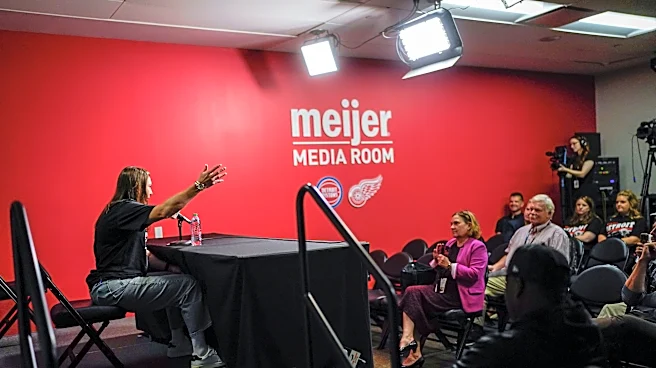
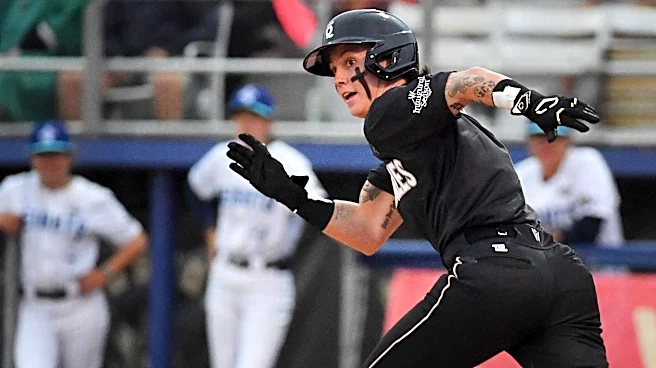
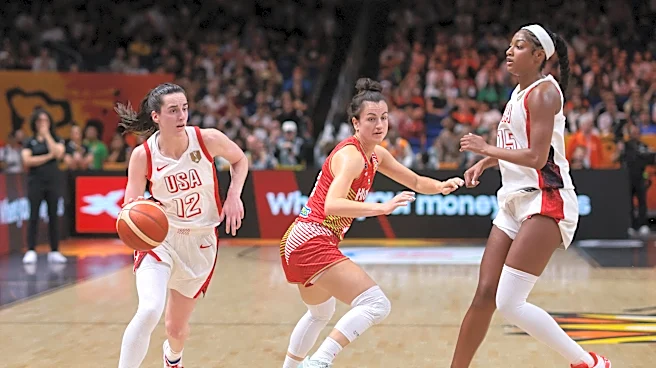
covering her body. While Novig states the campaign aims to focus entirely on sports with 'confidence, humor and a playful edge,' female athletes, including gymnast Gracie Kramer and Olympic semifinalist Bree Masters, have criticized the ad. They argue that it sends the wrong message about women in sports and perpetuates a sexualized image rather than highlighting athletic achievement. Kramer posted videos of herself competing, stating, 'Idk what Sydney Sweeney was doing but this is what a woman in sports looks like,' a sentiment echoed by Masters. This is not Sweeney's first ad campaign to draw significant online discussion and criticism.
Why It's Important?
This controversy highlights a persistent debate in the U.S. about the representation of women in sports and media. The backlash from female athletes underscores their desire for authentic portrayal that emphasizes their skills, dedication, and achievements rather than their physical appearance. The ad's approach, perceived as sexualizing a female celebrity to promote a sports-related product, clashes with ongoing efforts to promote gender equality and respect for female athletes. This incident could influence how companies approach advertising campaigns, particularly those targeting or featuring women in sports contexts, potentially leading to a greater emphasis on empowering and performance-oriented imagery. It also reflects the power of social media for athletes and the public to voice their opinions and challenge traditional marketing strategies that may be seen as objectifying or undermining the progress made in women's sports.
What's Next?
The national campaign for Novig is set to run across digital, social, online video, and out-of-home placements throughout the football season, with additional creative planned. The ongoing criticism from female athletes and online commentators may prompt Novig to re-evaluate future advertising strategies or issue a response to the concerns raised. Other brands and advertising agencies will likely observe this situation closely, potentially influencing their decisions regarding celebrity endorsements and the portrayal of women in their campaigns. This incident could also fuel further discussions and advocacy efforts by women's sports organizations and gender equality advocates, pushing for more respectful and empowering representations of female athletes in mainstream media and advertising. The debate over the ad's message versus its intent will likely continue to unfold online.
Beyond the Headlines
The controversy surrounding Sydney Sweeney's ad touches upon broader cultural discussions about gender, sexuality, and commercialism. It raises questions about the fine line between 'playful edge' and objectification, and who gets to define that line. The ad's reception reflects a societal tension between traditional marketing tactics that often leverage celebrity appeal and sex appeal, and evolving expectations for inclusive and respectful representation, especially in areas like sports where women have historically fought for recognition. This incident also highlights the double-edged sword of celebrity endorsements, where a star's involvement can generate immense publicity but also attract intense scrutiny and criticism if the campaign's message is perceived negatively. Ultimately, it contributes to the ongoing dialogue about media literacy, ethical advertising, and the responsibility of brands and celebrities to consider the societal impact of their campaigns.