








What's Happening?
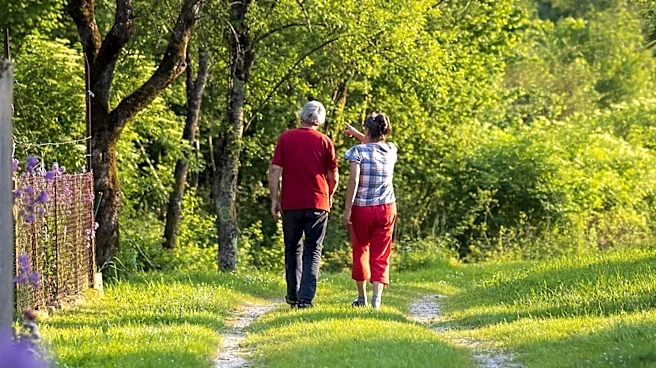
Walking therapy, a form of ecotherapy, is experiencing a rise in popularity as a mental health treatment. This approach involves clients working with a trained mental health professional outdoors, often while walking. Psychotherapist Ismary Colón Angueira,
an L.A.-based ecotherapist, highlights that the natural environment is an active participant in these sessions, with sights, sounds, and smells influencing the therapeutic conversation. The practice emphasizes walking side-by-side, which Colón Angueira notes can reduce the traditional therapist-client hierarchy and make clients feel more comfortable opening up. Psychologist Maz Miller, co-founder of walkandtalktherapy.com, attributes the recent surge in walking therapy to increased mental health issues during the COVID-19 pandemic, which necessitated outdoor sessions, and a growing awareness of the benefits of nature and physical activity for well-being. While walking therapy has historical roots, with figures like Freud reportedly taking clients for walks, it is now being formalized and gaining recognition as a distinct therapeutic modality.
Why It's Important?
The increasing adoption of walking therapy signifies a shift in mental health treatment, moving beyond traditional indoor settings to incorporate the therapeutic benefits of nature and physical activity. This approach offers a potentially more accessible and less intimidating option for individuals seeking mental health support, particularly for those who may feel uncomfortable in conventional therapy environments. The emphasis on the natural environment as a co-therapist suggests a broader recognition of the interconnectedness between human well-being and ecological health. For mental health professionals, it presents an opportunity to diversify their practice and cater to a wider range of client preferences and needs. The integration of physical movement with psychological processing could lead to more holistic and effective treatment outcomes, addressing both mental and physical health simultaneously. This trend could also influence public health initiatives, encouraging greater engagement with green spaces for mental well-being.
What's Next?
As walking therapy continues to gain traction, it is likely to see further formalization and integration into mainstream mental health practices. This could involve the development of standardized training programs for ecotherapists and walking therapy practitioners, as well as increased research into its efficacy for various mental health conditions. Insurance providers may also begin to recognize and cover walking therapy as a legitimate treatment, expanding access for more individuals. The growing awareness of its benefits could lead to more urban planning initiatives that prioritize accessible green spaces suitable for therapeutic walks. Additionally, the success of walking therapy might inspire the exploration of other nature-based interventions, further broadening the scope of ecotherapy and its applications in mental health care. The mental health community will likely continue to explore how environmental factors can be leveraged to enhance therapeutic outcomes.
Beyond the Headlines
The rise of walking therapy points to a deeper cultural re-evaluation of our relationship with nature and its role in human health. In an increasingly urbanized and digitally connected world, the deliberate act of seeking therapy outdoors highlights a yearning for reconnection with natural environments. This trend could foster a greater appreciation for conservation and the preservation of green spaces, as their value extends beyond recreation to essential mental health resources. Ethically, the practice raises considerations regarding client privacy in public spaces, though therapists like Colón Angueira address this by framing such encounters as opportunities for exploration. Legally, there may be a need for clearer guidelines and regulations for outdoor therapy practices, particularly concerning safety and liability. Culturally, it challenges the traditional perception of therapy as a strictly clinical, indoor activity, promoting a more fluid and integrated approach to well-being that acknowledges the profound impact of our surroundings.