






What's Happening?
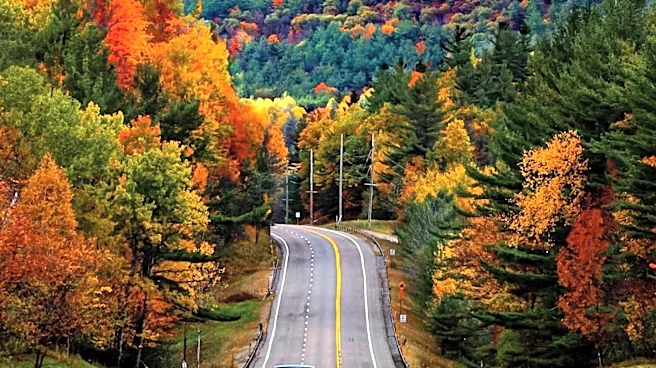
As summer concludes, several U.S. destinations are highlighted as ideal for fall travel due to cooler temperatures, lighter crowds, and unique seasonal attractions. Locations such as Sedona, Arizona, and Napa Valley, California, are particularly recommended.
Sedona, known for its red rocks, becomes more accessible for outdoor activities like hiking and exploring scenic overlooks in October, as the intense summer heat subsides. Similarly, Napa Valley experiences its vibrant harvest season in the fall, with vineyards bustling with activity and offering picturesque autumn colors. Other notable fall destinations include Acadia National Park in Maine, Mackinac Island in Michigan, Williamsburg and Shenandoah National Park in Virginia, Harpers Ferry in West Virginia, Asheville in North Carolina, Santa Fe in New Mexico, Charleston in South Carolina, and Great Smoky Mountains National Park in Tennessee and North Carolina. These areas offer a range of experiences from scenic drives and historical exploration to outdoor dining and hiking, all enhanced by the autumn climate and foliage.
Why It's Important?
This trend of promoting fall travel to U.S. destinations is significant for the domestic tourism industry, as it helps extend the travel season beyond the traditional summer peak. By highlighting the benefits of cooler weather and reduced crowds, it encourages a more even distribution of tourism throughout the year, which can alleviate pressure on popular sites during peak times and support local economies during shoulder seasons. For travelers, it offers opportunities for more comfortable and potentially more affordable experiences, as demand may be lower than in summer. The focus on natural beauty, outdoor activities, and cultural events during autumn also aligns with growing consumer preferences for experiential and nature-based tourism, contributing to the diversification of the U.S. travel market.
What's Next?
Travelers planning fall getaways to these U.S. destinations should consider booking accommodations and activities in advance, especially for popular spots like Sedona and Napa Valley, where October can still be a busy month. As the fall season progresses, more detailed information on peak foliage times and local events will become available, which can further inform travel plans. The continued promotion of off-peak travel seasons by tourism boards and travel publications is likely to encourage more Americans to explore domestic destinations during autumn, potentially leading to increased investment in seasonal attractions and infrastructure in these regions. Businesses in these areas will likely continue to adapt their offerings to cater to fall visitors, such as specialized harvest tours in Napa Valley or guided foliage hikes in national parks.
Beyond the Headlines
The emphasis on fall travel reflects a broader shift in how Americans approach leisure and vacation. The desire to avoid summer crowds and extreme heat, coupled with an appreciation for seasonal beauty, is driving a re-evaluation of optimal travel times. This could lead to a more sustainable tourism model, reducing the environmental and social impact of over-tourism during peak periods. Furthermore, the promotion of diverse U.S. destinations for fall travel highlights the rich geographical and cultural variety within the country, encouraging domestic exploration and fostering a deeper connection to national landscapes and heritage. This trend also underscores the importance of flexibility in travel planning, as waiting for the 'right' season can significantly enhance the overall travel experience.