




What's Happening?
The plant-based meat industry is undergoing a significant manufacturing shift, moving away from dedicated production facilities towards more flexible approaches like contract manufacturing, shared infrastructure, and repurposed assets. This change is primarily
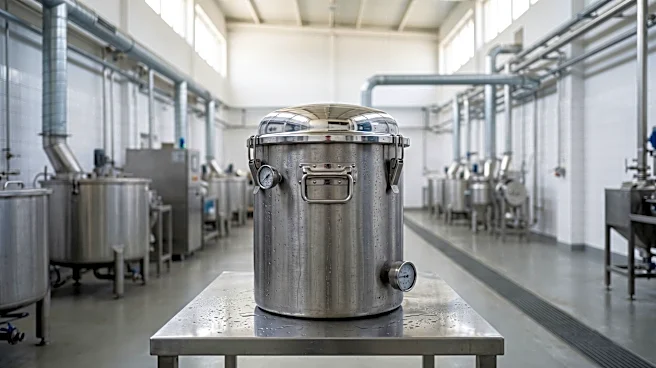
driven by the unpredictable demand for plant-based products, which makes the substantial capital investment required for dedicated facilities less financially attractive. According to Priyansha Reddy, commercialisation manager at the Good Food Institute (GFI) Europe, brand-owned facilities with high fixed capital costs struggle to spread these costs when production volumes are low, potentially increasing consumer prices and suppressing demand. Luke Townsend, managing director at New Leaf Foods, notes that even at the peak of plant-based popularity, dedicated facilities faced challenges in securing sufficient volumes. This shift allows manufacturers to better utilize existing assets, leverage surplus capacity, and diversify product portfolios without the need for new, costly constructions. While some larger companies like Vivera, Planted, and Vegan Food Group still use dedicated facilities, start-ups and smaller companies are increasingly opting for contract manufacturing or shared flexible capacity, especially for new product launches.
Why It's Important?
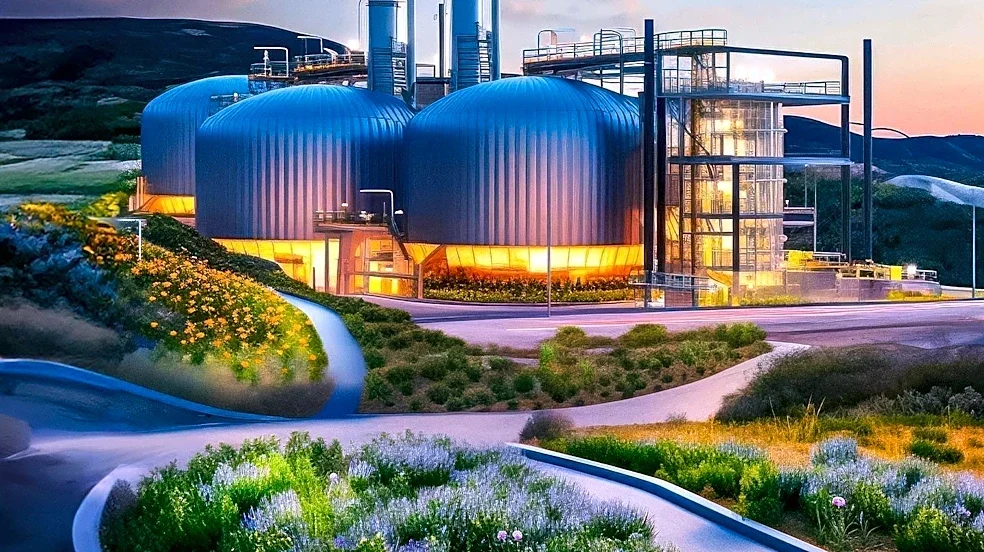
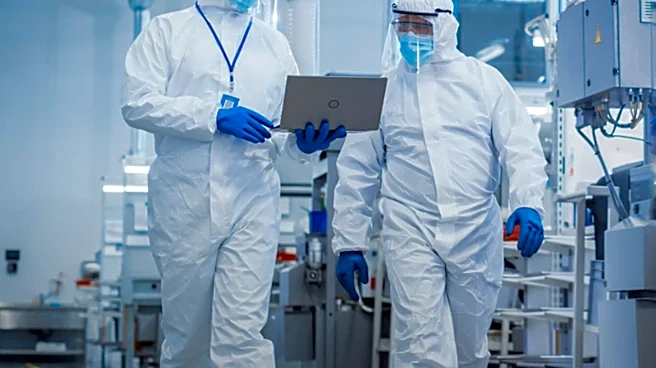
This manufacturing evolution has significant implications for the U.S. plant-based food industry and its consumers. By adopting more flexible production methods, companies can reduce their financial exposure and operational risks, which could lead to more stable pricing and a wider variety of products available to consumers. Contract manufacturing, where brands pay per kilo produced, converts fixed capital and operating expenses into variable costs, allowing companies to launch new products, scale gradually, and enter new markets without substantial upfront investment. This approach also benefits from existing equipment, infrastructure, food safety systems, and skilled labor. Shared infrastructure further reduces fixed costs by spreading them across multiple production runs, making it easier for smaller companies to test and scale products. However, this flexibility introduces risks, particularly cross-contamination between vegetarian and vegan products, or with allergenic plant-based proteins like soy or wheat, necessitating stringent segregation and cleaning procedures. The ability to repurpose existing facilities, such as old breweries or pasta factories, significantly cuts down lead times and capital costs, making market entry more accessible for new players and allowing producers from other industries to utilize their spare capacity.
What's Next?
The trend towards flexible manufacturing is expected to continue, with more plant-based meat companies exploring contract manufacturing, shared infrastructure, and the repurposing of existing facilities. This will likely lead to increased innovation and a broader range of plant-based products as companies can test new concepts with lower financial risk. Manufacturers will need to invest in robust allergen control and cleaning protocols to mitigate the risks of cross-contamination inherent in shared or repurposed facilities. The industry may also see a consolidation of contract manufacturers specializing in plant-based production, offering a wider array of processing capabilities. For consumers, this could mean more affordable and diverse plant-based options, but also a heightened awareness regarding allergen labeling and manufacturing practices. The success of this shift will depend on the industry's ability to balance cost-efficiency and flexibility with stringent quality control and consumer safety standards.
Beyond the Headlines
Beyond the immediate economic and operational benefits, this manufacturing shift reflects a broader maturation of the plant-based food sector. Initially characterized by rapid growth and significant investment in dedicated facilities, the industry is now adapting to more realistic demand patterns and seeking sustainable growth strategies. The move towards repurposing facilities highlights an innovative approach to resource utilization, transforming existing industrial infrastructure for new purposes, which could have environmental benefits by reducing the need for new construction. This also underscores a growing emphasis on circular economy principles within the food industry. The challenges of cross-contamination, while manageable, bring to light the complexities of food production in a diverse dietary landscape and the increasing importance of transparency in manufacturing processes. This evolution could also foster greater collaboration between traditional food manufacturers and plant-based innovators, blurring the lines between conventional and alternative food production.