





What's Happening?
Etsy has faced significant backlash from its seller community following an update to its Terms of Use. The revised terms, set to take effect on December 16, included a clause granting Etsy and its "third party partners and vendors" the right to use sellers'
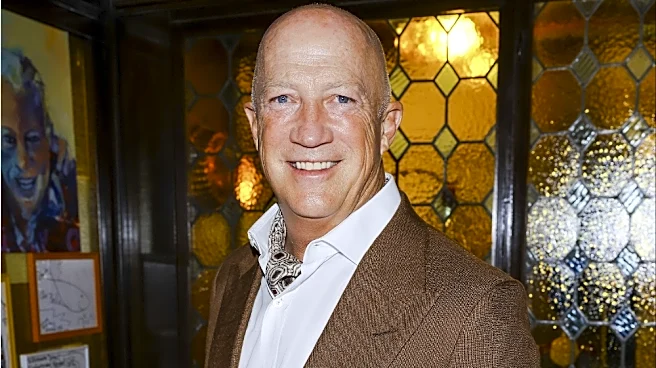
content to "develop, train, test and improve artificial intelligence and machine learning technologies." This new language prompted many sellers of handmade goods to abandon the platform, fearing their original artwork and creations would be used to train AI models that could copy their work. In response, James Ossman, Etsy's VP of operations, issued a clarification. He stated that Etsy does not use seller content to train AI models designed to replicate their original work or creativity. Ossman emphasized that sellers retain ownership of their content and that Etsy does not claim their creations as its own. He explained that Etsy utilizes AI for purposes such as automatic translation of listing descriptions, featuring listings in marketing campaigns, and developing tools to help sellers monitor shop performance and optimize listings. Additionally, Etsy prohibits AI crawlers from scraping listings for model training, though some third-party partners are granted access for fraud detection and to help buyers discover items off-platform.
Why It's Important?
This situation highlights the growing tension between technology companies and content creators regarding the use of intellectual property for AI training. For Etsy, a platform built on the premise of supporting independent artists and crafters, the controversy directly impacts its core value proposition and seller trust. The exodus of sellers, as reported by The New York Times, indicates a significant threat to Etsy's business model, which relies heavily on a vibrant and diverse community of creators. The clarification from Etsy's VP of operations is an attempt to mitigate this damage and reassure sellers, but its effectiveness in bringing back those who have left remains to be seen. The incident also underscores broader concerns within the creative community about the ethical implications of AI development and the need for clear, transparent policies regarding data usage. The outcome of this dispute could influence how other platforms approach AI integration and content rights, potentially setting precedents for intellectual property protection in the age of artificial intelligence.
What's Next?
The immediate next step for Etsy is to observe whether James Ossman's clarification is sufficient to regain the trust of its seller community and stem the tide of departures. The updated Terms of Use are still scheduled to take effect on December 16, and the company will need to demonstrate through its actions that it is committed to protecting sellers' intellectual property. Sellers who have left the platform may be exploring alternative marketplaces, such as eBay, and their decision to return will depend on Etsy's ongoing efforts to address their concerns. The broader implications suggest that other online platforms that host user-generated content may review their own terms of service regarding AI training to avoid similar controversies. This event could also spur discussions and potentially lead to new industry standards or regulations concerning the use of creative works for AI development, especially as AI technology continues to advance and its applications become more widespread.
Beyond the Headlines
The Etsy controversy delves into the complex ethical and legal landscape surrounding artificial intelligence and intellectual property. The core issue is not just about data usage, but about the perceived threat to human creativity and livelihood posed by AI. Sellers on Etsy, many of whom are small business owners and artists, fear that their unique designs and artistic styles could be replicated or devalued by AI models trained on their work, undermining their ability to earn a living. This raises fundamental questions about ownership in the digital age: who owns the data, who benefits from its use, and how can creators be protected from potential exploitation? The incident also reflects a broader societal anxiety about the impact of AI on various industries and professions. The pushback from Etsy sellers could be a harbinger of future conflicts as AI technology becomes more sophisticated, prompting a re-evaluation of existing legal frameworks and ethical guidelines to ensure fair compensation and protection for creators.