





What's Happening?
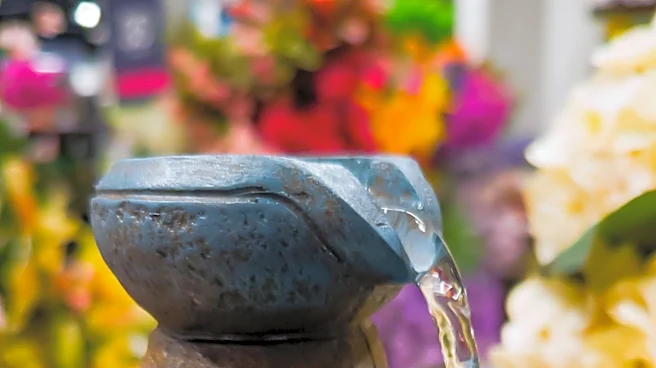
Moroccan mosaic fountains are emerging as a significant trend in outdoor design, introducing vibrant colors and intricate patterns to courtyards, gardens, patios, and poolside areas. These fountains integrate a water outlet and basin with decorative surfaces
crafted from small pieces of tile, glass, or stone. Designers are utilizing arched mosaic walls to frame water features, transforming simple basins into striking focal points. Common design elements include blue and cream tiles arranged in eight-point star patterns or horseshoe arches, often featuring lion-head spouts. The traditional Moroccan craft of Zellij, which involves shaped ceramic pieces arranged into complex geometric patterns, serves as a primary inspiration. Modern interpretations adapt these visual traditions using materials suited for specific outdoor locations, incorporating stars, interlocking shapes, and curved bands to create rhythm and complement surrounding architecture. The designs range from bold statements visible across a pool to more subtle forms suitable for contemporary residential settings, offering versatility in aesthetic impact.
Why It's Important?
The rise of Moroccan mosaic fountains signifies a growing interest in incorporating artisanal, culturally rich elements into U.S. landscape architecture and home design. This trend impacts the design industry by promoting specialized craftsmanship and unique aesthetic choices beyond conventional outdoor decor. For homeowners, it offers an opportunity to create distinctive, personalized outdoor living spaces that reflect global artistic influences. The demand for such intricate work could stimulate growth in specialized tile manufacturing, mosaic artistry, and landscape design services. Furthermore, it highlights a broader consumer preference for bespoke, handcrafted items that add character and a sense of heritage to modern environments. This shift could also influence material sourcing, encouraging the use of traditional materials and techniques, thereby supporting artisans and craftspeople who specialize in these intricate methods.
What's Next?
The increasing popularity of Moroccan mosaic fountains suggests a continued expansion of their presence in U.S. outdoor design. We can anticipate more landscape architects and interior designers integrating these features into their projects, leading to a wider array of customizable options for clients. Manufacturers and suppliers of tiles and stone may begin to offer more Moroccan-inspired patterns and materials to meet this demand. Workshops and design studios specializing in mosaic art might see increased interest, potentially leading to more collaborations with homeowners and commercial developers. Additionally, as these designs become more mainstream, there may be innovations in installation techniques and material durability to ensure longevity in various climates. The trend could also inspire similar integrations of other global artisanal crafts into U.S. home and garden aesthetics.
Beyond the Headlines
Beyond their aesthetic appeal, Moroccan mosaic fountains represent a deeper cultural exchange and appreciation for global artistry within the U.S. design landscape. The incorporation of Zellij-inspired patterns brings a rich history of Islamic art and geometry into American homes, fostering a subtle educational element about diverse artistic traditions. Ethically, this trend can support fair trade practices and empower artisan communities abroad if sourcing is done responsibly. Legally, there might be increased attention to intellectual property rights for traditional designs as they gain commercial traction. Culturally, it signifies a move towards more eclectic and globally informed design sensibilities, moving away from purely Western-centric aesthetics. This integration of diverse cultural elements enriches the visual tapestry of American homes and public spaces, promoting a more interconnected and appreciative approach to design.