
What's Happening?
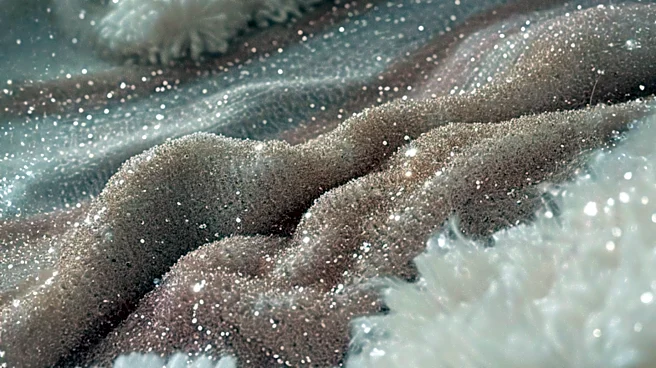
A new fashion trend, dubbed 'texture-maxxing,' is gaining prominence, shifting focus from the clean lines and neutral palettes of 'quiet luxury' to garments with more character and tactile appeal. This trend involves incorporating fabrics, finishes, and details
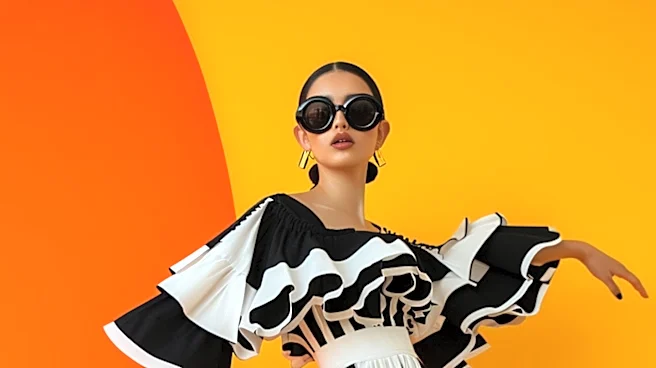
that invite touch, such as suede jackets, fuzzy knitwear, ruched dresses, feather-trimmed tops, embossed leather bags, crochet separates, and velvet accessories. Designers are increasingly experimenting with surface treatments, intricate craftsmanship, and contrasting materials to add depth to outfits. The core idea is to enhance an outfit's perceived value and interest through varied textures, making even familiar silhouettes feel fresh and expensive without necessarily relying on overt branding or designer labels. This approach allows for individual expression and creativity in styling, encouraging consumers to play with different materials to create visually rich and engaging ensembles.
Why It's Important?
The rise of texture-maxxing signifies a notable evolution in consumer preferences within the fashion industry, moving away from the understated aesthetic that has dominated recent years. This shift could impact manufacturing and retail strategies, as brands may need to prioritize material innovation and diverse textile sourcing to meet demand for more tactile and visually dynamic products. For consumers, it offers a more accessible entry point into sophisticated styling, as the emphasis is on fabric and detail rather than brand exclusivity. This trend also challenges the fast-fashion model by promoting pieces with inherent quality and unique characteristics that are designed to be cherished rather than quickly discarded. It encourages a more thoughtful approach to wardrobe building, where the longevity and sensory experience of clothing take precedence.
What's Next?
Fashion houses and retailers are likely to integrate texture-maxxing principles into upcoming collections, featuring a wider array of textured fabrics and embellished designs. Consumers can expect to see more options for incorporating this trend, from statement pieces like feather-trimmed tops to more subtle additions like suede loafers or woven clutches. The trend's emphasis on contrast suggests that styling guides will increasingly focus on combining different textures within a single outfit, such as pairing a fuzzy knit with tailored trousers or a suede skirt with a crisp cotton shirt. This movement could also spur further innovation in sustainable textile development, as designers seek unique and eco-conscious materials to achieve desired tactile effects. The continued influence of social media will likely amplify this trend, with influencers showcasing creative ways to 'texture-max' their wardrobes.
Beyond the Headlines
Texture-maxxing reflects a broader cultural desire for authenticity and sensory engagement in an increasingly digital world. As consumers spend more time online, there's a growing appreciation for tangible experiences and products that offer a rich, multi-sensory appeal. This trend could also be interpreted as a form of 'stealth wealth' or 'post-luxury,' where true luxury is defined not by overt branding but by the quality, craftsmanship, and unique tactile experience of an item. It encourages a more personal and less brand-driven approach to fashion, allowing individuals to express their style through subtle yet impactful material choices. This shift might also foster a greater appreciation for artisanal techniques and traditional textile crafts, as these methods often produce the unique textures and finishes central to the trend.