

What's Happening?
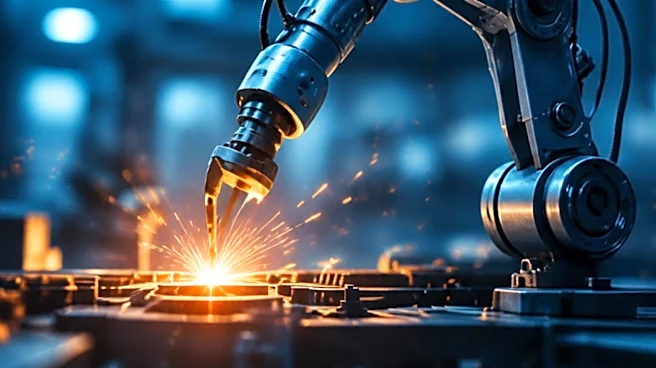
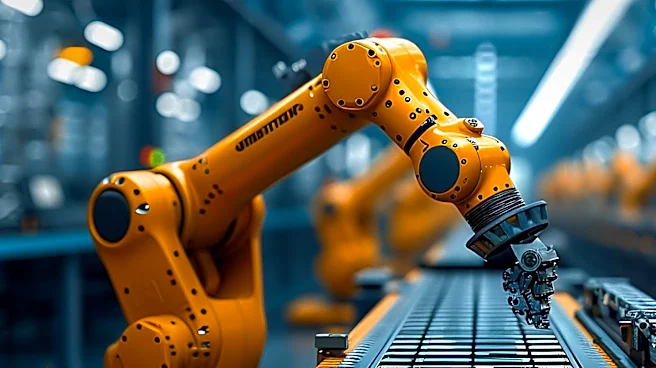
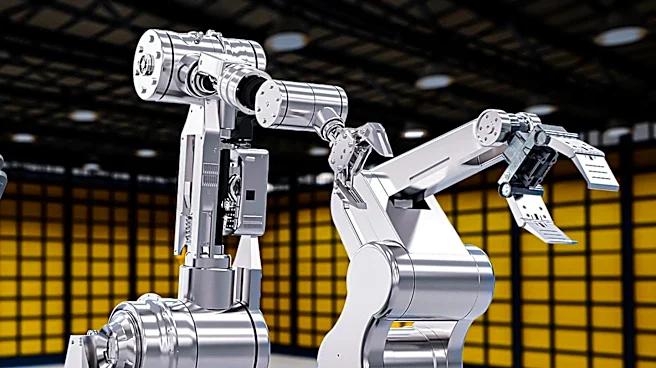
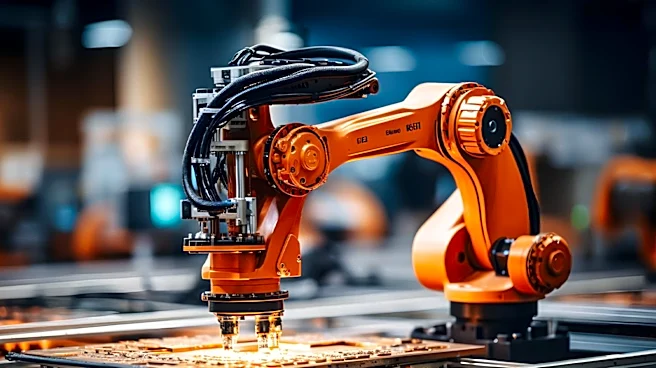
Antropi Robotics, a Bengaluru-based robotics startup, has unveiled its first autonomous Computer Numerical Control (CNC) factory. This facility utilizes industrial robotic arms, camera-based inspection systems, and proprietary software called Factory
OS to automate the production of precision metal components. The factory, which emerged from stealth in October 2026, is already processing commercial manufacturing orders. Unlike traditional CNC facilities that require significant human intervention for tasks like production planning, material handling, machine preparation, and quality inspection, Antropi Robotics aims to streamline these processes. The company's software manages the entire manufacturing workflow, from generating machining instructions based on customer-submitted CAD files to coordinating robotic operations and conducting quality inspections. While the factory can operate for extended periods without continuous human supervision, engineers are still needed for initial setups, fixture preparation, and addressing unexpected issues. The startup's goal is to reduce manufacturing and delivery timelines to 24 hours, with current U.S. orders reaching customers in under seven days, including transit.
Why It's Important?
This development signifies a notable advancement in manufacturing automation, particularly for the production of customized metal components. By reducing reliance on manual labor and optimizing production workflows, Antropi Robotics aims to significantly decrease manufacturing and delivery times. This could have a substantial impact on industries that require rapid prototyping and quick turnaround for specialized parts, potentially accelerating product development cycles. The ability to produce precision components more efficiently and quickly could benefit sectors such as aerospace, automotive, and advanced technology, where custom parts are frequently needed. For U.S. customers, the promise of faster delivery times for custom components could enhance supply chain efficiency and reduce lead times for critical projects. The integration of robotics and AI in manufacturing also highlights a broader trend towards Industry 4.0, where smart factories are becoming more prevalent, potentially setting new benchmarks for operational efficiency and cost-effectiveness in precision manufacturing.
What's Next?
Antropi Robotics plans to further refine its autonomous manufacturing processes with the ultimate goal of achieving a 24-hour turnaround time for manufacturing and delivery. This will likely involve continued development of their Factory OS software and further integration of AI and robotics to minimize the need for human intervention in more stages of production. The company's selection for Y Combinator's Fall 2026 batch suggests potential for further investment and expansion, which could lead to increased capacity and broader market reach. As the startup fulfills more commercial orders, it will gather data to optimize its operations and potentially expand its autonomous capabilities. The success of this model could also inspire other manufacturers to adopt similar autonomous factory approaches, driving further innovation in the precision manufacturing sector and potentially leading to a more competitive landscape for custom component production.
Beyond the Headlines
The emergence of fully or semi-autonomous factories like Antropi Robotics' facility raises broader questions about the future of manufacturing labor and the economic implications of advanced automation. While such factories promise increased efficiency and speed, they also prompt discussions about job displacement in traditional manufacturing roles and the need for a workforce skilled in robotics and AI management. Ethically, the increasing autonomy of production systems necessitates robust quality control and safety protocols to ensure the reliability and integrity of manufactured components. Legally, intellectual property protection for designs processed through these automated systems will become increasingly critical. Culturally, the shift towards highly automated production could redefine the perception of manufacturing, moving it from labor-intensive to technology-driven. This development also underscores the global competition in advanced manufacturing, with startups like Antropi Robotics pushing the boundaries of what's possible in precision engineering.