







What's Happening?
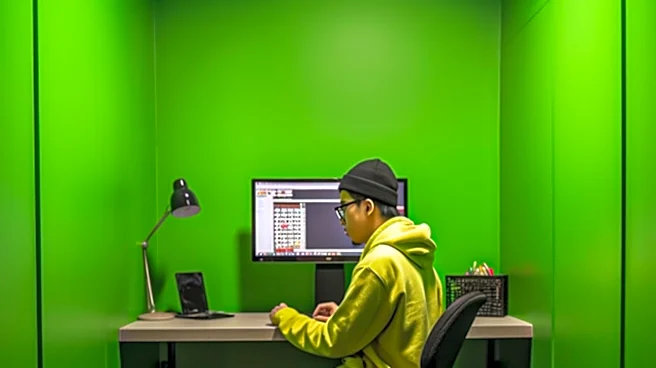
The Rowlett Public Library has expanded its facilities by adding three new enclosed focus booths, bringing its total number of study rooms to four. These new booths are designed to provide patrons with dedicated, quiet spaces for various activities such
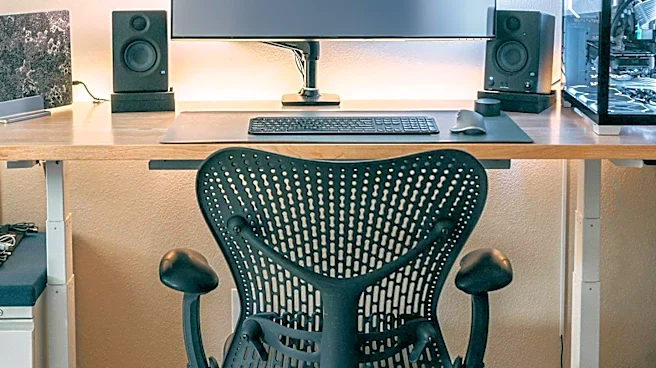
as focused work, phone calls, online interviews, and concentrated study. Each booth is equipped with essential amenities including a desk, stool, lighting, ventilation, and power outlets to ensure a comfortable and productive environment. Library card holders can reserve these study booths in person on the day of use. This initiative reflects the evolving role of public libraries, which are increasingly serving as versatile community hubs that offer both lively environments and private spaces for individual needs.
Why It's Important?
The addition of these focus booths is important for the Rowlett community as it addresses a growing need for quiet, private spaces within public facilities. In today's environment, where remote work, online learning, and virtual meetings are common, access to such dedicated spaces is crucial for productivity and privacy. These booths enhance the library's utility, making it a more comprehensive resource for students, professionals, and anyone needing a distraction-free zone. By offering these modern amenities, the Rowlett Public Library reinforces its role as a vital community asset that adapts to contemporary needs, supporting educational pursuits, professional development, and personal growth for its patrons. This also highlights a broader trend in library services to provide diverse environments for different user requirements.
Beyond the Headlines
Beyond the immediate benefit of providing quiet spaces, the introduction of these focus booths signifies a broader shift in how public libraries are perceived and utilized. Libraries are no longer just repositories for books; they are dynamic community centers that offer a wide array of services and resources. This move by the Rowlett Public Library underscores a commitment to fostering an inclusive and adaptable environment that caters to the diverse needs of its patrons, from children receiving tutoring to seniors engaging in activities, and now, individuals requiring private workspaces. This evolution ensures libraries remain relevant and essential institutions in the digital age, promoting learning, connection, and productivity within the community. The project was made possible through a grant from the U.S. Institute of Museum and Library Services and the Texas State Library and Archives Commission, highlighting the importance of such funding in modernizing public services.