


What's Happening?
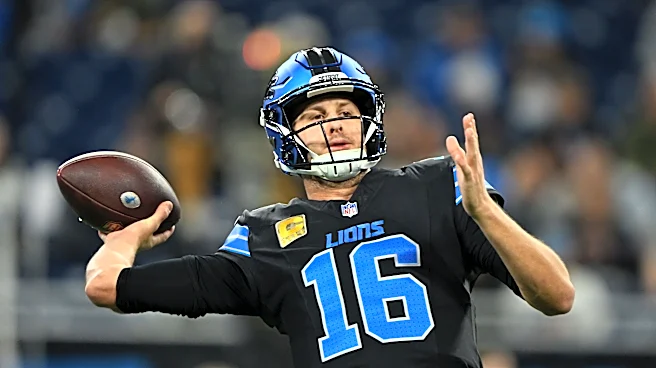
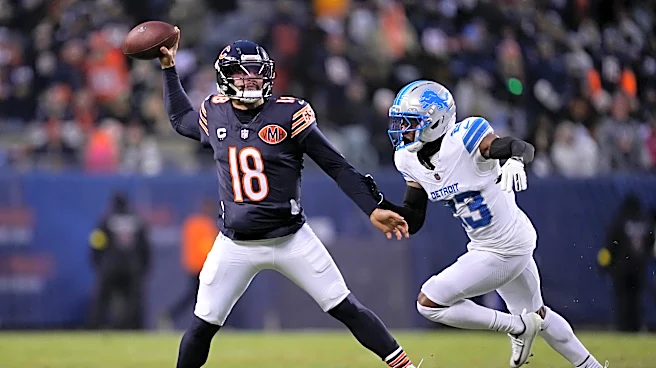
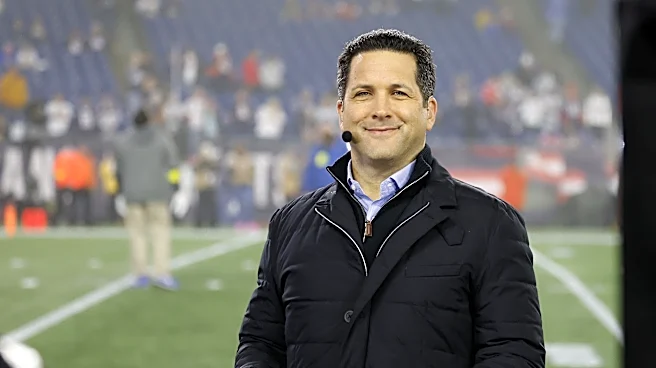
During CBS's Thanksgiving Day broadcast of the Chicago Bears and Detroit Lions game, former NFL player J.J. Watt, serving as the network's lead game analyst, received significant criticism from fans. Many viewers expressed dissatisfaction with Watt's
performance, describing him as lacking 'juice,' 'personality,' and being a 'tough listen.' Some fans even unfavorably compared his broadcasting to that of Tom Brady, another former NFL player who transitioned to an analyst role. This public reaction comes just five weeks after CBS officially appointed Watt as its full-time lead NFL game analyst, a role he had held on an interim basis earlier in the season. Watt, a three-time NFL Defensive Player of the Year, retired after the 2022 season and began his broadcasting career with CBS in 2023, moving to the top team this year.
Why It's Important?
The criticism directed at J.J. Watt highlights the challenges former star athletes face when transitioning to sports broadcasting, particularly in high-profile roles. For CBS, the negative fan feedback on their lead analyst could impact viewership and advertiser perception, especially given the significant investment in a multiyear agreement with Watt. The comparison to Tom Brady, who also faced initial criticism in his analyst role, underscores a broader trend where on-field success does not automatically translate to broadcasting prowess. The network's decision to elevate Watt to its top team, replacing Tony Romo, was a strategic move to maintain strong NFL coverage, but fan dissatisfaction could necessitate a re-evaluation of their talent development or on-air pairings. The public's strong opinions on sports commentators demonstrate the critical role these personalities play in the overall viewing experience for millions of NFL fans.
What's Next?
Following the widespread fan criticism, CBS will likely monitor J.J. Watt's performance closely in upcoming broadcasts. While CBS Sports chairman David Berson previously praised Watt's development and described him as 'insightful, entertaining, passionate, meticulous in his preparation,' the network may need to address the public's concerns. This could involve providing Watt with additional coaching, adjusting his role, or re-evaluating his pairing with play-by-play announcer Jim Nantz and sideline reporter Tracy Wolfson, as some complaints also touched upon the booth's dynamic. Watt's multiyear agreement suggests a long-term commitment from CBS, but sustained negative feedback could pressure the network to make changes to its lead NFL coverage team to maintain viewer engagement and satisfaction.
Beyond the Headlines
The fan reaction to J.J. Watt's broadcasting performance touches upon the evolving landscape of sports media and the expectations placed on former athletes in analyst roles. There's a growing demand for commentators who can offer not only expert insights but also engaging personalities and chemistry with their co-hosts. The immediate and vocal criticism on social media platforms reflects how quickly public opinion can form and spread, influencing perceptions of broadcasters. This situation also highlights the inherent difficulty in translating the unique skills of a Hall of Fame-caliber athlete into effective communication for a mass audience. The 'no personality' critique suggests that while deep knowledge of the game is essential, the ability to entertain and connect with viewers is equally crucial for success in the broadcast booth, posing a significant challenge for networks seeking to leverage the star power of retired players.