




What's Happening?
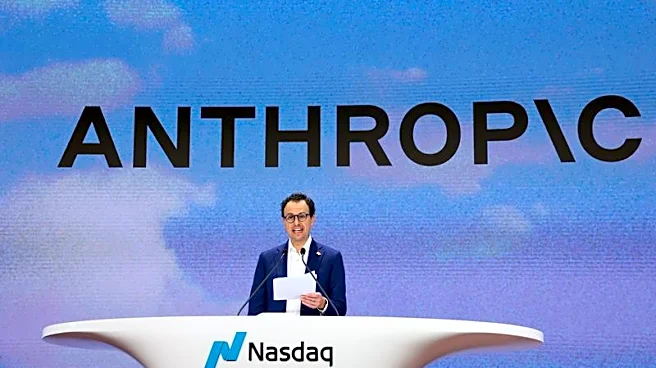
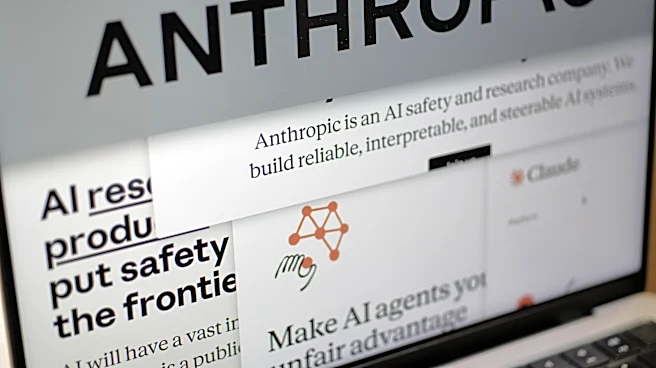
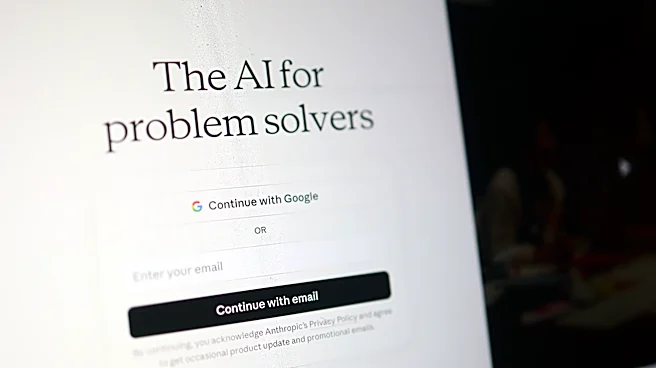
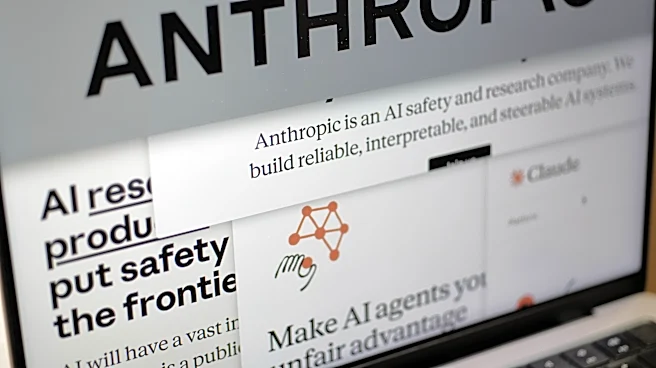
Carlson LLC, the copyright owner of the 'Don't Sweat the Small Stuff' book series, has filed a federal lawsuit against artificial intelligence companies Anthropic and Meta Platforms, Inc. The lawsuit, filed in the Northern District of California (Carlson
LLC v. Anthropic PBC, No. 3:26-cv-14248), alleges that both companies used over two dozen of Carlson's copyrighted self-improvement books to train their AI models, Claude and Meta AI, without permission. Carlson LLC claims that these materials were sourced from 'pirate libraries' such as Books3 and Anna’s Archive, and also through scanning physical books without authorization. The plaintiff opted out of a previous class action settlement between book authors and Anthropic, asserting that their best-selling works are more valuable and have been directly harmed by competition from large language models (LLMs). This lawsuit is notable for attempting to join both Anthropic and Meta as defendants in a single complaint, a strategy that has faced challenges in previous cases in the same district.
Why It's Important?
This lawsuit is significant as it represents a growing legal challenge to the methods used by AI companies to train their models, particularly concerning copyrighted material. The outcome could set a precedent for how AI developers acquire and utilize data, potentially impacting the future development and deployment of AI technologies. For authors and copyright holders, a favorable ruling for Carlson LLC could strengthen their ability to protect intellectual property in the age of AI, ensuring fair compensation and control over their works. Conversely, a ruling against Carlson LLC might embolden AI companies to continue their current training practices, potentially leading to more widespread use of copyrighted content without explicit licensing. The case also highlights the ongoing debate about the economic impact of LLMs on creative industries, with Carlson LLC arguing direct harm from AI competition.
What's Next?
The immediate next step in the lawsuit will involve the defendants, Anthropic and Meta, responding to the allegations. A key procedural hurdle for Carlson LLC will be to distinguish its case from previous rulings in the Northern District of California, where judges have rejected attempts to join multiple AI companies as defendants in a single complaint due to Rule 20(a) requirements regarding common occurrences and transactions. If the joinder of defendants is allowed, the case will proceed to discovery, where both sides will gather evidence. The legal battle is expected to be lengthy, with potential implications for how AI companies license content for training purposes and how copyright law is interpreted in the context of artificial intelligence. The resolution of this case could influence future legislative efforts and industry standards for AI development.
Beyond the Headlines
Beyond the legal specifics, this lawsuit touches upon fundamental ethical and economic questions surrounding artificial intelligence. The practice of training AI models on vast datasets, often including copyrighted works, raises questions about fair use, intellectual property rights, and the future of creative professions. If AI models can generate content similar to copyrighted works, it could devalue human-created content and disrupt traditional publishing and media industries. This case also underscores the tension between technological innovation and existing legal frameworks, prompting a re-evaluation of copyright law in the digital age. The outcome could influence public perception of AI, shaping whether it is viewed as a tool that respects creators or one that exploits their work without proper attribution or compensation. It also highlights the need for clear guidelines and potentially new legal mechanisms to address the unique challenges posed by AI's rapid advancement.