




What's Happening?
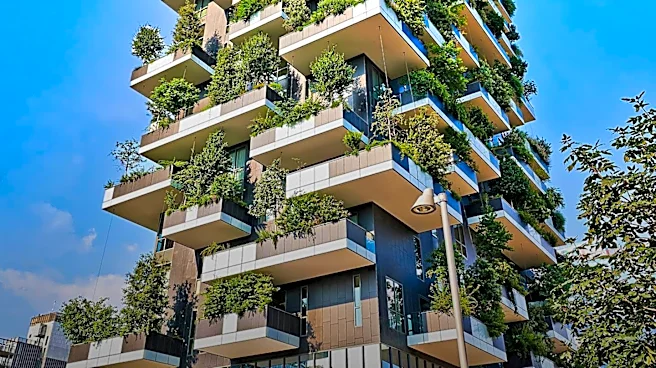
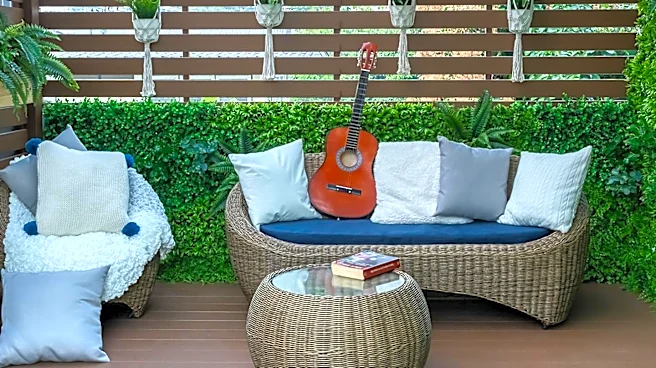
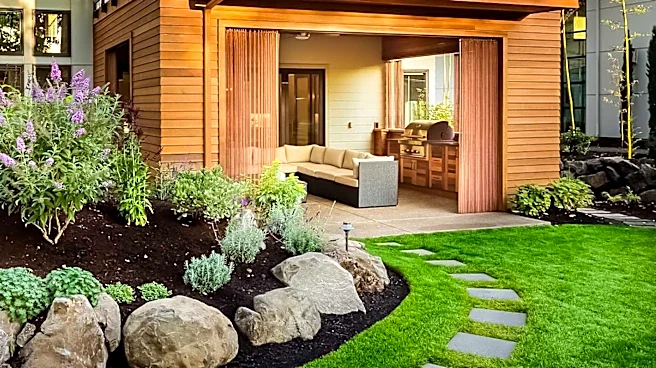
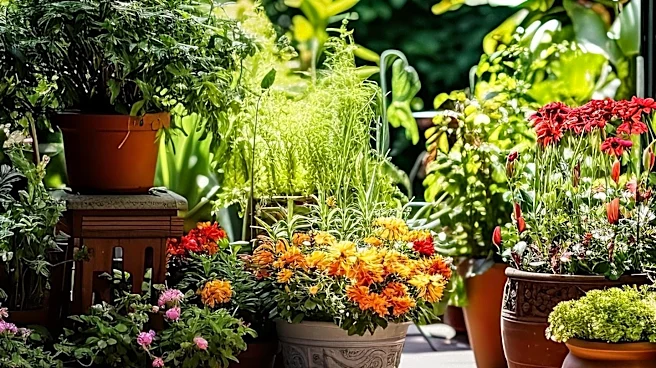
Backyard landscaping is evolving with innovative strategies to maximize limited outdoor areas, particularly for small yards. Key approaches include vertical planting, strategic zoning, and careful furniture placement. Vertical planting utilizes wall-mounted
pocket gardens, hanging planters, and overhead pergola racks to introduce greenery without occupying floor space. For ground cover, low-maintenance materials such as permeable pavers or synthetic turf are replacing traditional grass, especially in areas under 400 square feet where real lawns often struggle due to heavy foot traffic and shade. Digital tools like Landscapy AI are also emerging, offering instant, professional-quality designs tailored to specific yard dimensions. These methods aim to transform compact outdoor spaces into functional and attractive extensions of the home, focusing on efficiency and visual appeal.
Why It's Important?
The emphasis on maximizing small backyard spaces reflects a growing trend in urban and suburban living, where smaller lot sizes are becoming more common, particularly in condos and townhouses. This shift impacts the landscaping and home improvement industries by driving demand for space-saving solutions and specialized design services. Homeowners stand to gain by transforming previously underutilized or cramped outdoor areas into valuable retreats, enhancing property value and quality of life. The adoption of low-maintenance materials also benefits consumers by reducing the time and resources required for upkeep. Furthermore, the integration of AI-powered design tools signifies a technological advancement in the home improvement sector, making professional design more accessible and personalized, potentially democratizing landscape design for a broader audience.
What's Next?
The trend towards optimizing small outdoor spaces is expected to continue, with further innovations in materials, design techniques, and digital tools. We may see an increase in modular and multi-functional outdoor furniture designed specifically for compact areas, alongside more advanced AI and augmented reality applications that allow homeowners to visualize and plan their backyard transformations with greater accuracy. The demand for sustainable and low-maintenance landscaping options is also likely to grow, influencing product development in synthetic turf, permeable surfaces, and drought-resistant vertical gardens. Additionally, landscape designers and contractors will likely adapt their services to specialize in small-space solutions, offering tailored consultations and installations that cater to the unique challenges of compact urban and suburban yards.
Beyond the Headlines
Beyond the immediate benefits of aesthetic appeal and functionality, the focus on small backyard landscaping touches upon broader societal and environmental implications. In increasingly dense urban environments, even small green spaces contribute to urban biodiversity, air quality, and mental well-being. The shift towards vertical gardening and permeable surfaces can also play a role in urban heat island mitigation and stormwater management, offering ecological benefits. Ethically, making professional-quality design accessible through AI tools could empower more individuals to create personalized outdoor spaces, fostering a deeper connection with nature, regardless of property size. This movement also highlights a cultural adaptation to modern living constraints, where creativity and efficiency are paramount in making the most of every available inch.