



What's Happening?
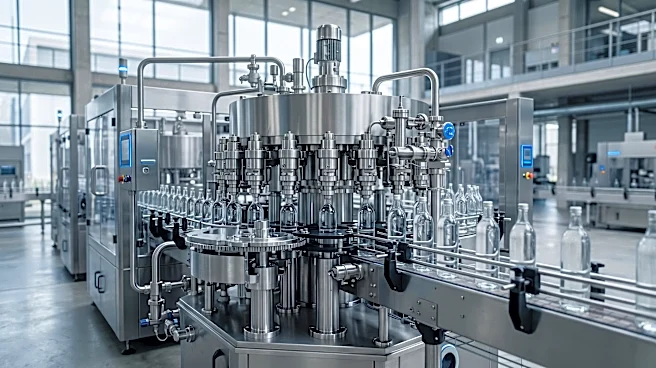
KHS, a plant builder, has launched a comprehensive service package designed to modernize and extend the operational life of existing multi-use glass bottle lines. This initiative combines line audits, machine upgrades, and digital applications to offer
beverage manufacturers an alternative to investing in entirely new plants. The company observes a trend where distributors are increasingly opting for modernization due to declining alcohol consumption, a rise in new beverage products, and a subsequent increase in required container formats. KHS states that its machines provide a robust foundation for modernization, with the primary limitations over time typically being the control system and software. The service package aims to address these limitations, providing a 'second life' to existing lines. Measures include modernizing energy-intensive processes, such as those in bottle cleaning machines, and improving the efficiency of glass filler systems like the Innofill Glass to reduce downtime during refilling. Additionally, the package offers retrofits for the Tunnelpasteur Innopas SX to optimize product flow and reduce heating and cooling needs.
Why It's Important?
This service package is significant for the U.S. beverage industry as it offers a cost-effective and sustainable solution for manufacturers facing evolving market demands. By extending the lifespan of existing equipment, companies can avoid substantial capital expenditures associated with new plant investments, which can be particularly challenging given the effort and production stoppages involved in replacing large machinery. The focus on energy-intensive processes, such as bottle cleaning and pasteurization, can lead to significant operational cost savings and a reduced environmental footprint, aligning with growing sustainability goals within the industry. Furthermore, the emphasis on flexibility for changing bottle formats addresses a critical need in a market characterized by increasing product variety. This allows manufacturers to adapt more quickly to consumer preferences without extensive retooling, thereby enhancing competitiveness and operational agility. The digital services included in the package also promise to improve operational efficiency and maintenance scheduling, contributing to higher plant availability and reduced manual effort.
What's Next?
Beverage manufacturers in the U.S. are likely to evaluate this service package as a viable option for upgrading their existing infrastructure. The adoption of these modernization services could lead to a more efficient and sustainable beverage production landscape. KHS plans to continue developing and implementing these services, with ongoing efforts to refine line audits and machine upgrades based on specific company requirements. The integration of digital applications, such as the KHS ConnectApp Guide and ConnectApp Access, suggests a future trend towards more data-driven and automated maintenance and operational management in the industry. This could result in a gradual shift away from traditional, reactive maintenance towards proactive, predictive approaches, further optimizing production processes and resource utilization.
Beyond the Headlines
The introduction of KHS's service package highlights a broader industry trend towards circular economy principles and sustainable manufacturing practices. By enabling the extended use of existing machinery, the initiative reduces waste and the demand for new resources, contributing to a more environmentally responsible production cycle. This approach also underscores the increasing importance of software and control system upgrades in industrial machinery, demonstrating that technological advancements can often breathe new life into older hardware. The emphasis on reducing energy consumption and water usage in processes like bottle cleaning and pasteurization reflects a growing awareness of environmental impact and the economic benefits of efficiency. This could set a precedent for other manufacturing sectors to explore similar modernization strategies, fostering a more sustainable industrial ecosystem across various U.S. industries.