






What's Happening?
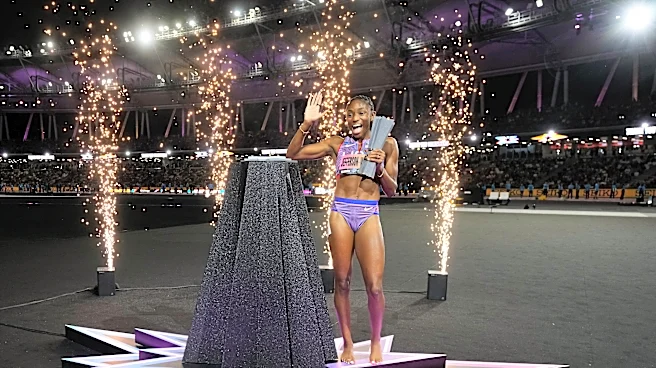
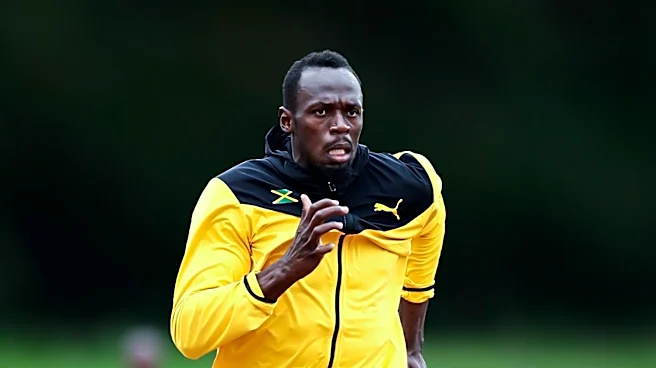
U.S. Olympic track star Gabby Thomas has issued an apology after a video of her failing to recognize a childhood photo of Usain Bolt went viral. In the social media challenge, Thomas successfully identified herself, Sydney McLaughlin-Levrone, Keely Hodgkinson,
and Armand Duplantis from their childhood pictures. However, she did not recognize Noah Lyles or Usain Bolt, leading to widespread online discussion. Thomas expressed embarrassment and stated that her comments and direct messages were flooded across social platforms, prompting her to address the situation. She acknowledged that she grew up watching Bolt and other Black track athletes who inspired her, and that she knows what they look like as adults, but their baby photos stumped her. The video, at the time of reporting, had garnered over 2.9 million views.
Why It's Important?
This incident highlights the intense scrutiny and public expectation placed on prominent athletes, particularly in the age of social media. Thomas's apology underscores the pressure athletes face to maintain a certain public image and to be perceived as knowledgeable about their sport's history and figures. The viral nature of the video and the subsequent backlash demonstrate how quickly public sentiment can turn, even over seemingly minor missteps. It also touches on broader discussions about representation and recognition within sports, as some fans pointed out her ability to recognize white athletes while failing to identify Black legends. This event could influence how athletes engage with social media challenges and public interactions, potentially leading to more cautious participation to avoid similar controversies.
What's Next?
Following her apology, Gabby Thomas will likely continue her athletic career, with public attention potentially focused on her future social media interactions and public statements. The incident may serve as a cautionary tale for other athletes regarding the potential for misinterpretation and backlash from online content. It could also spark further conversations within the athletic community and among fans about the nuances of identity, recognition, and the impact of social media on public figures. Thomas's commitment to 'unpack this and do better' suggests a period of reflection on her part, and potentially a more considered approach to her public persona moving forward.
Beyond the Headlines
The incident transcends a simple gaffe, touching upon deeper societal implications regarding racial recognition and the expectations placed on individuals within their own communities. Thomas's statement, 'I would choose to be black in every lifetime,' emphasizes her connection to her heritage and the Black athletic community, making her failure to recognize Bolt particularly sensitive for some. This situation reveals the complex interplay between individual identity, public perception, and the collective memory of sporting heroes. It also subtly points to the potential for unconscious biases, even among those who are part of the same cultural or professional group. The widespread reaction suggests a strong desire among fans for athletes to honor and acknowledge the legacies of those who paved the way, especially within marginalized communities.