



What's Happening?
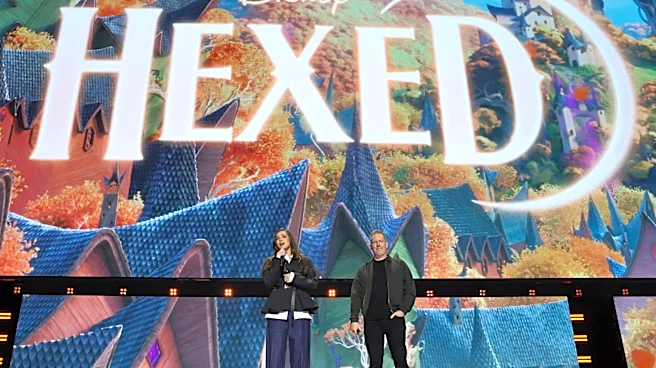
The Walt Disney Company is set to release 'Hexed,' an original film not based on existing intellectual property, on November 25, 2026. This release comes as Disney continues to navigate consumer reactions to its theme park pricing strategies. Historically,
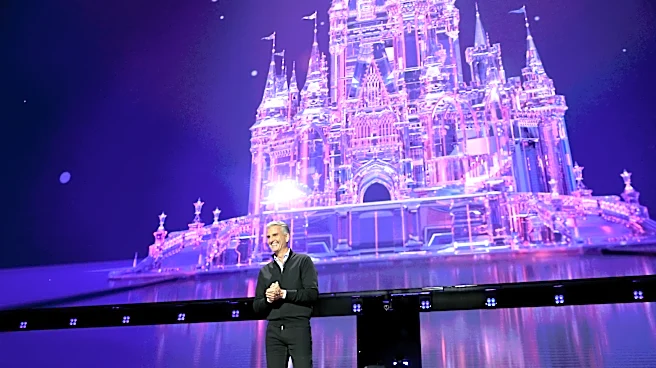
Disney leverages new intellectual properties (IP) from its films to create merchandise, rides, and attractions in its theme parks, a tactic aimed at attracting new generations of fans and sustaining demand. This demand, in turn, allows the company to introduce higher-priced ticket options. However, recent surveys indicate high consumer sensitivity to price increases. University of Virginia Darden School of Business Professor Pnina Feldman notes that while spending on experiences often holds up, consumers are sensitive to price increases they perceive as opportunistic rather than cost-justified. Disney's approach often involves protecting entry-level prices while increasing prices for upper tiers and add-ons, and it differentiates pricing between its Disneyland and Walt Disney World resorts based on distinct market demands and customer bases.
Why It's Important?
Disney's strategy of introducing new IP like 'Hexed' is crucial for maintaining cultural relevance and attracting new audiences, which directly impacts the sustained demand for its theme parks. The company's ability to successfully integrate new characters and stories into its park experiences is vital for its long-term business model, which relies on both media content and experiential offerings. The ongoing discussion around theme park pricing highlights a delicate balance Disney must strike: maximizing revenue while managing consumer perception of fairness and value. With consumer sensitivity to price increases being high, Disney's nuanced pricing strategies, such as differentiating between parks and adjusting prices based on perceived value rather than blanket increases, are critical for maintaining customer loyalty and avoiding backlash. This approach also provides insights for other companies on how to manage pricing in an environment where consumers are increasingly scrutinizing costs.
What's Next?
Following the release of 'Hexed,' Disney will likely monitor its performance and audience reception to determine how its characters and themes can be integrated into theme park merchandise and attractions. The company will continue to refine its pricing strategies for its theme parks, potentially adjusting based on consumer feedback and economic indicators. Given the differing market dynamics between Disneyland and Walt Disney World, Disney is expected to maintain its segmented pricing approach, tailoring increases to specific customer bases and their willingness to pay. Future pricing decisions will likely continue to focus on value-added offerings and transparent justifications for cost adjustments, as consumer acceptance is tied to the perception of fairness. The success of 'Hexed' in generating new IP will be a key factor in Disney's ongoing efforts to refresh its theme park offerings and attract new visitors.
Beyond the Headlines
The release of 'Hexed' underscores Disney's continuous effort to innovate and create original content, moving beyond reliance on established franchises. This strategy is essential for long-term creative vitality and market leadership in the entertainment industry. The pricing debate touches upon broader economic and ethical considerations regarding corporate responsibility and consumer welfare. Companies like Disney, with significant market power, face scrutiny over pricing practices, especially when consumers perceive increases as exploitative. The differentiation in pricing between parks also highlights the sophisticated data analytics and market segmentation strategies employed by large corporations to optimize revenue, raising questions about equity and access for different consumer demographics. This dynamic interplay between creative content, business strategy, and consumer sentiment will continue to shape Disney's trajectory and influence the broader entertainment and leisure industries.