









What's Happening?
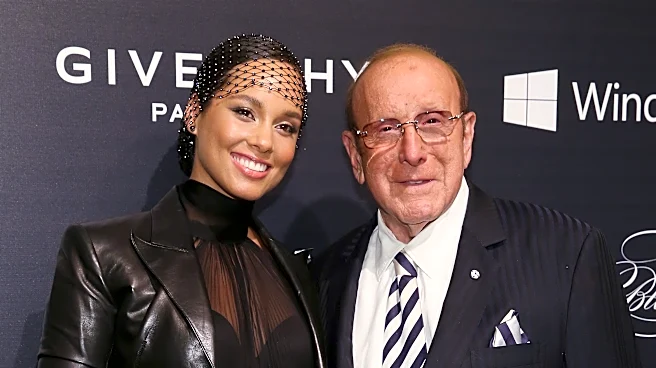
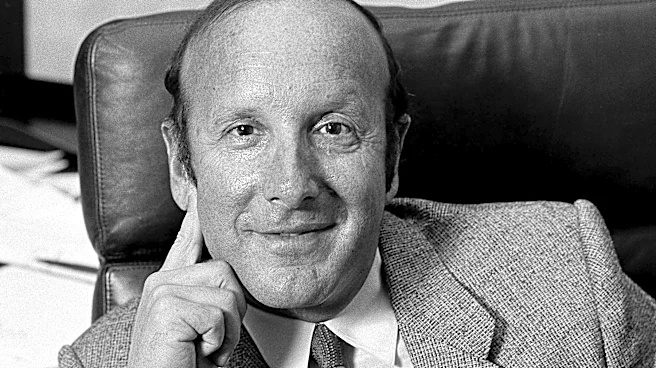
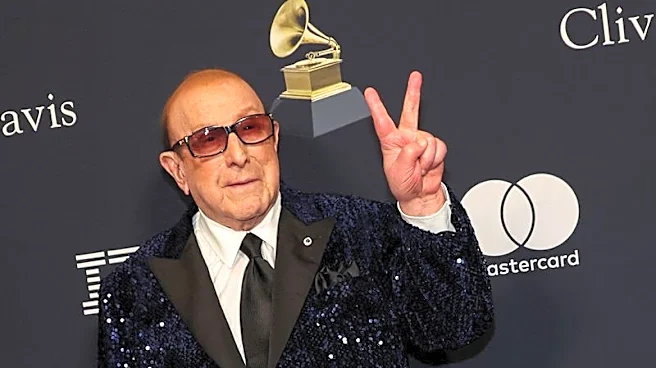
Clive Davis, a pivotal figure in the music industry known for his role in launching and revitalizing the careers of numerous legendary artists, has died at the age of 94. Davis, who began his career as a lawyer for Columbia Records, rose to become one
of the most influential music producers, with a career spanning over five decades. He was instrumental in the success of artists such as Janis Joplin, Whitney Houston, Carlos Santana, and Alicia Keys. His family confirmed his passing, noting his significant impact on the music world. Davis was known for his ability to discover and nurture talent, as well as his knack for keeping veteran artists relevant. His career was marked by both triumphs and controversies, including his departure from Columbia Records and the Milli Vanilli scandal. Despite these challenges, Davis continued to shape the music industry, founding Arista Records and later J Records, where he continued to influence the careers of artists like Barry Manilow and American Idol winners.
Why It's Important?
Clive Davis's death marks the end of an era in the music industry. His influence extended beyond individual artists to the broader music landscape, shaping the soundtracks of generations. Davis's ability to identify and cultivate talent helped define the careers of some of the most successful artists in history, contributing to the cultural fabric of the United States. His work with Whitney Houston, in particular, left a lasting impact, as she became one of the best-selling artists of all time. Davis's legacy is also a testament to the power of visionary leadership in the arts, demonstrating how strategic guidance and support can elevate artists to new heights. His passing may prompt reflections on the current state of the music industry and the role of producers in artist development.
What's Next?
In the wake of Clive Davis's passing, the music industry may see tributes and retrospectives celebrating his contributions. Artists and industry professionals who worked with Davis are likely to share their memories and experiences, highlighting his influence on their careers. The music community may also consider how to preserve and build upon Davis's legacy, potentially inspiring new approaches to artist development and production. Additionally, there may be discussions about the future of the labels and artists he supported, as they navigate the industry without his guidance.
Beyond the Headlines
Clive Davis's career also highlights the complexities of the music industry, including the challenges of maintaining artistic integrity while achieving commercial success. His ability to adapt to changing musical trends and technologies underscores the importance of innovation in the arts. Davis's openness about his bisexuality in his memoir adds another layer to his legacy, reflecting broader societal changes regarding LGBTQ+ representation and acceptance. His life and career may serve as a case study for aspiring music executives and artists, illustrating the potential for resilience and reinvention in the face of adversity.