





What's Happening?
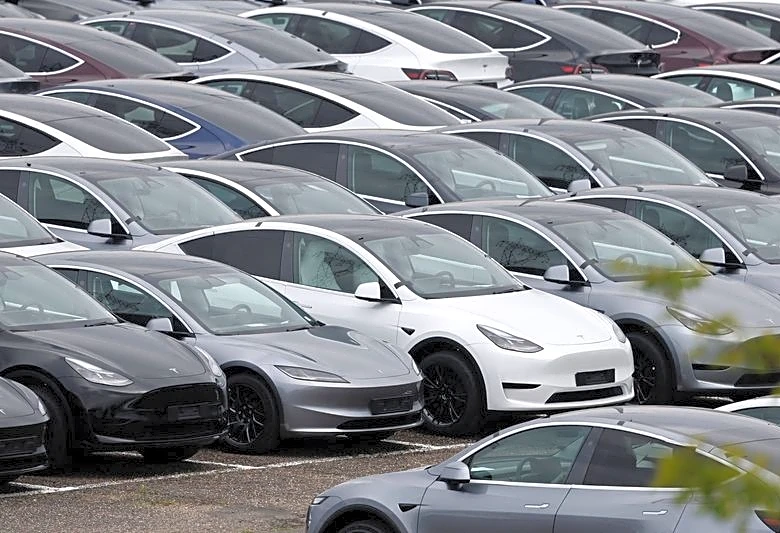
The global electric vehicle (EV) industry is experiencing a multi-speed transformation, with significant regional differences in adoption rates. China leads in both EV production and sales, accounting for over half of global purchases and approximately
70% of worldwide EV manufacturing. Its domestic EV penetration ranges from 35% to 50% of new vehicle sales, and Chinese automakers are expanding into export markets. In contrast, North America's EV transition is proceeding at a slower pace, with regional market share remaining below 10%. Europe has emerged as a strong driver of EV adoption, with markets like the United Kingdom, Spain, and Nordic countries seeing battery electric vehicle (BEV) market share reach 25% to 30%. This growth in Europe is attributed to stringent emissions regulations, consumer incentives, and volatile fuel prices. Industry forecasts, including those from the International Energy Agency (IEA), project annual global EV sales to reach around 23 million units, representing 28% to 30% of all new passenger vehicle purchases worldwide.
Why It's Important?
The slower EV adoption rate in North America, particularly the U.S., has significant implications for the automotive industry, energy policy, and environmental goals. While other regions are rapidly electrifying, the U.S. market's preference for larger pickup trucks and SUVs, coupled with evolving policy environments and consumer incentives, contributes to its lagging position. This disparity could affect the competitiveness of U.S. automakers in the global EV market and potentially slow down the country's progress toward reducing carbon emissions from transportation. The continued dominance of China in EV production and its expansion into export markets also poses a challenge to U.S. manufacturing and technological leadership in the automotive sector. The global shift towards EVs, even with regional variations, indicates a fundamental change in the transportation landscape, impacting energy infrastructure, raw material supply chains, and the job market.
What's Next?
The future of EV adoption in North America will likely be shaped by ongoing advancements in battery technology, the expansion of charging infrastructure, and evolving policy decisions. Automakers are increasingly adopting a dual-chemistry approach for batteries, utilizing Lithium Iron Phosphate (LFP) for standard-range vehicles and nickel-rich chemistries for premium models, which could impact affordability and performance. The global EV charging market, valued at over $50 billion, is rapidly expanding, with high-power charging technology becoming more common. The continued buildout of these networks is crucial for addressing range anxiety and supporting market growth. Policy environments and consumer incentives will also play a critical role in accelerating or hindering EV adoption in the U.S. as the market matures and more used EVs become available, catering to a broader consumer base.
Beyond the Headlines
The multi-speed global EV transition highlights deeper economic and cultural factors influencing technological adoption. In North America, the strong consumer demand for larger, less efficient vehicles and a potential communication gap regarding the benefits of EVs contribute to slower growth. The emphasis on 'horsepower' over 'house power' (the ability of EVs to power homes) suggests a need for a shift in marketing and consumer education. The challenges faced by plug-in hybrids (PHEVs) due to complex tech glitches and higher fault rates, as reported by Consumer Reports and J.D. Power, also underscore the importance of reliability and user experience in new automotive technologies. The differing paces of adoption globally could lead to varied regulatory landscapes and trade policies, potentially creating complexities for international automakers and supply chains.