



What's Happening?
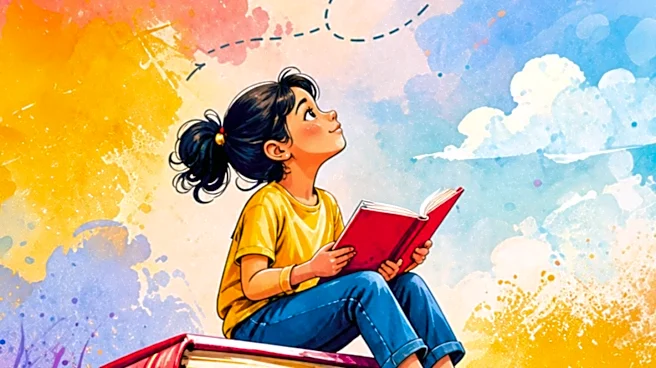
Many children who enjoy stories in video games, movies, and television shows often resist reading books. This resistance is frequently due to the different ways stories are presented, with books requiring more effort in decoding words, understanding sentences,
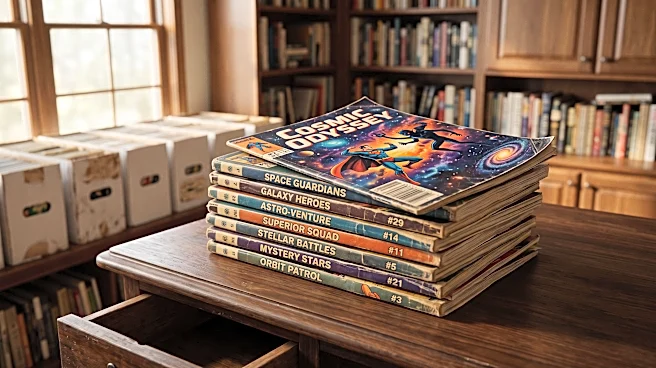
and building meaning. Popular entertainment, such as video games, comics, and animated series, can serve as a valuable starting point for encouraging reading. Children who are already familiar with characters, settings, and stories from these mediums may find it easier to approach new reading material connected to them. Graphic novels, in particular, are highlighted as effective tools, as they combine illustrations with text, requiring readers to engage multiple skills. Research from the National Literacy Trust in 2026 indicates that 45.7% of surveyed children and young people read comics or graphic novels at least once a month, demonstrating the format's popularity. The key is to match reading materials to a child's existing interests, making reading feel less like an assignment and more like an enjoyable exploration.
Why It's Important?
This approach is crucial for addressing the challenge of reluctant readers in the U.S., potentially improving literacy rates and fostering a lifelong love of reading. By leveraging children's existing interests in pop culture, educators and parents can bridge the gap between passive entertainment consumption and active reading engagement. This strategy can reduce the perception of reading as a chore, transforming it into a personally meaningful activity. For industries, this could mean a growing market for franchise-related books, graphic novels, and educational materials that integrate popular media. Furthermore, by encouraging reading through familiar contexts, children develop critical thinking skills, expand their vocabulary, and enhance their ability to interpret complex narratives, which are essential for academic success and future career opportunities. The emphasis on choice and interest-driven reading can also help children discover genres and formats they genuinely enjoy, leading to more sustained reading habits.
What's Next?
Parents and educators are encouraged to continue exploring and implementing strategies that connect children's entertainment interests with reading. This includes providing access to a variety of materials like graphic novels, game guides, and books based on popular franchises. Libraries and schools can play a significant role by curating collections that reflect these interests and organizing themed book discussions. Future efforts may involve developing more educational resources that integrate popular culture elements, ensuring content suitability and age-appropriateness. The ongoing challenge will be to balance the use of entertainment-related materials with formal literacy instruction, ensuring that children develop comprehensive reading skills while maintaining their enjoyment of stories. Continued research into the effectiveness of these methods will also be important to refine approaches and identify best practices.
Beyond the Headlines
The integration of pop culture into reading education reflects a broader shift in pedagogical approaches, acknowledging the powerful influence of media on young minds. This strategy moves beyond traditional views of reading as a solitary, text-only activity, embracing multimodal literacy where visual and interactive elements play a significant role. It also highlights the evolving definition of 'reading material,' legitimizing formats like graphic novels and game lore as valuable tools for literacy development. Ethically, this approach emphasizes respecting children's preferences and making reading an empowering choice rather than a forced obligation. Culturally, it recognizes the shared narratives and communities formed around popular entertainment, transforming them into pathways for intellectual growth. This could lead to a more inclusive and engaging educational landscape, where learning is seamlessly integrated with children's everyday experiences and passions.