
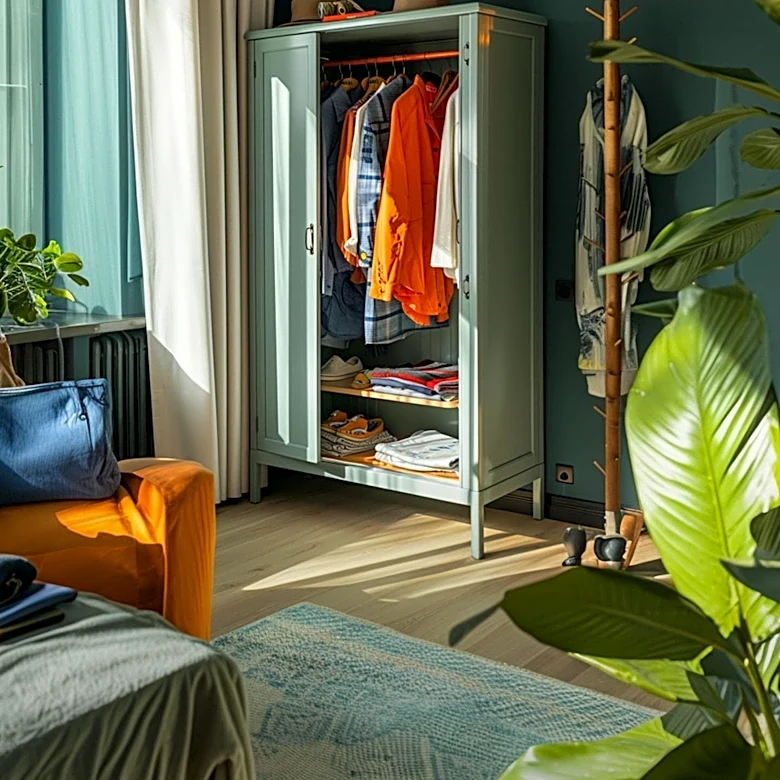

What's Happening?
Harper's Bazaar has released a curated list of 25 essential items for building an autumn capsule wardrobe. This selection aims to provide versatile and easy-to-style pieces that can be mixed and matched to create numerous outfit combinations for the cooler
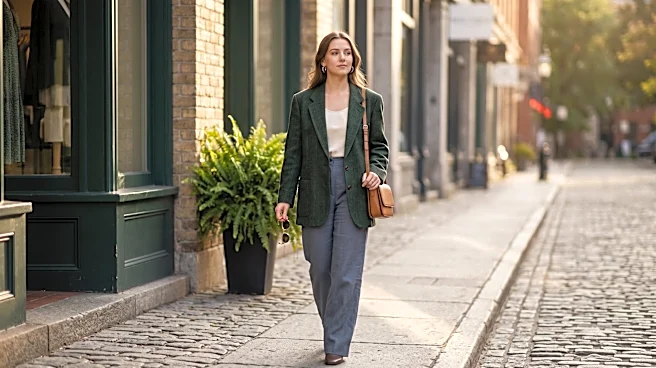
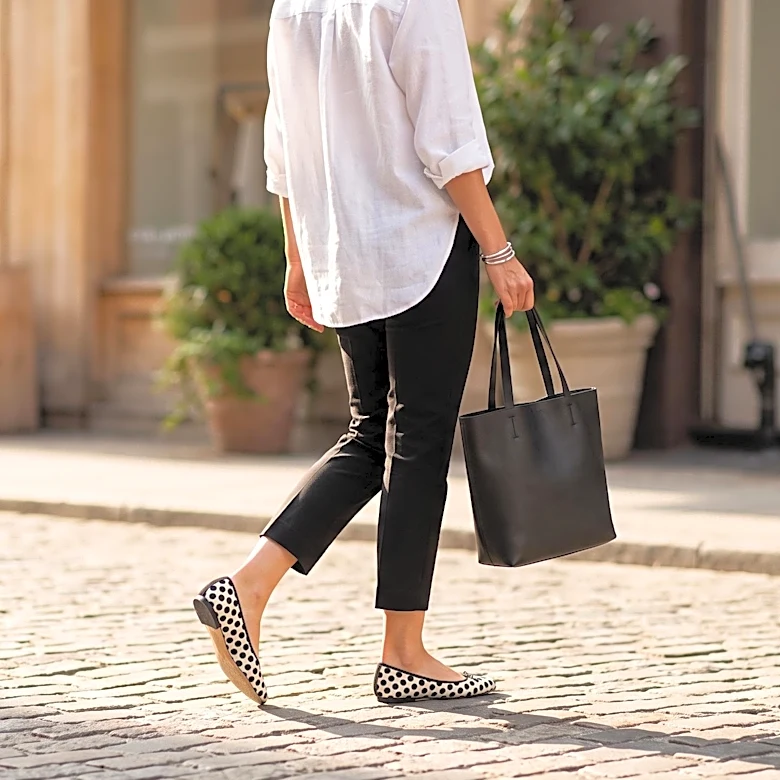
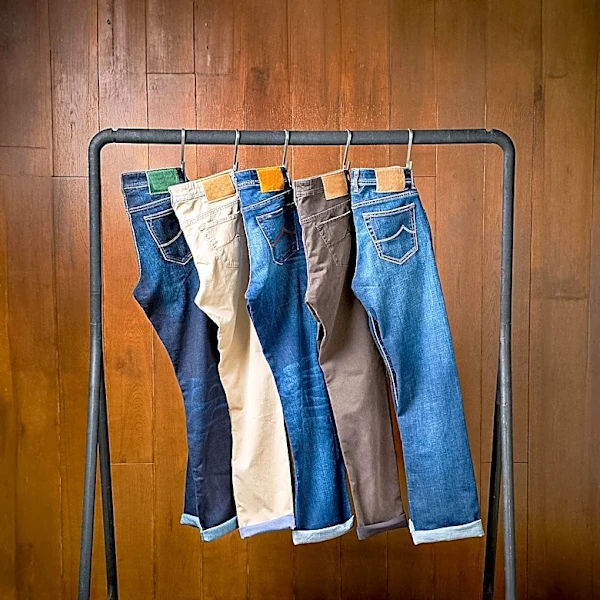
months. The recommended items span various categories, including outerwear, knitwear, denim, and accessories. Key pieces highlighted include striped knits, relaxed denim, polo shirts, 'smart' jeans, and polished Bermuda shorts, all designed to facilitate layering as daily temperatures fluctuate. Outerwear is emphasized as a crucial category, with suggestions such as a blazer, a trench coat, a sporty anorak, and a sleek leather jacket. The guide also covers accessories, recommending knee-high boots, elegant glove ballet pumps, and various handbag styles, from day-to-night shoulder bags to slouchy silhouettes and work totes. The publication asserts that these selections are functional and repeatable, ensuring longevity and utility in a wardrobe.
Why It's Important?
This curated list from Harper's Bazaar is significant for consumers seeking practical and stylish guidance for seasonal wardrobe transitions, particularly in the U.S. fashion market. By focusing on a 'capsule wardrobe' approach, the publication promotes mindful consumption and investment in versatile pieces, which can influence consumer spending habits. For the fashion industry, such recommendations can drive demand for specific product categories and styles, impacting retailers and designers. Brands featured or those offering similar items may see increased sales and visibility. The emphasis on functionality and repeatability also aligns with growing consumer interest in sustainable fashion practices, encouraging purchases of durable, multi-use items rather than fast-fashion trends. This guidance helps individuals build a cohesive wardrobe, potentially reducing the stress and cost associated with frequent seasonal shopping, while also shaping broader fashion trends and purchasing decisions across the U.S.
What's Next?
Following the release of Harper's Bazaar's autumn capsule wardrobe guide, consumers are likely to begin incorporating these recommended items into their shopping lists. Retailers and fashion brands, particularly those offering the types of garments and accessories highlighted, may experience increased demand for these specific products. Fashion influencers and stylists might also draw inspiration from this list, further disseminating these trends across social media and other platforms. We can anticipate a focus on versatile layering pieces, classic outerwear, and functional accessories in upcoming fashion collections and marketing campaigns. Consumers will likely prioritize items that offer both style and practicality, influencing purchasing decisions throughout the autumn season. The guide's emphasis on timeless pieces suggests a continued shift towards sustainable and long-lasting fashion choices, potentially impacting future design and production strategies within the U.S. fashion industry.
Beyond the Headlines
The concept of a 'capsule wardrobe,' as promoted by Harper's Bazaar, extends beyond mere fashion advice; it reflects a broader cultural shift towards minimalism and conscious consumption. In an era of fast fashion and overconsumption, guides like this encourage consumers to invest in fewer, higher-quality, and more versatile pieces. This approach can have significant environmental implications by reducing textile waste and the carbon footprint associated with clothing production and disposal. Ethically, it promotes a more thoughtful relationship with clothing, moving away from transient trends towards personal style and longevity. Economically, it could lead to a reallocation of consumer spending, favoring brands known for durability and classic designs over those focused on rapid trend cycles. This shift also challenges the traditional marketing strategies of the fashion industry, pushing brands to emphasize quality and versatility rather than constant novelty, potentially reshaping the U.S. retail landscape and consumer values.