




What's Happening?
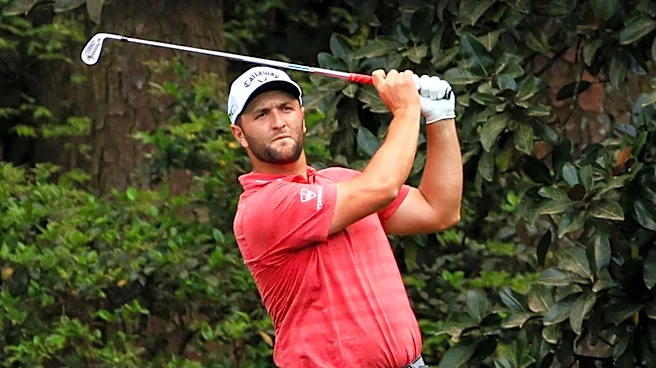
Jon Rahm, a prominent golfer who left the PGA Tour to join LIV Golf at the end of 2023, is uncertain about his eligibility to play on the PGA Tour in 2027. Rahm enjoyed success with LIV Golf, winning four tournaments, but his decision to join the rival
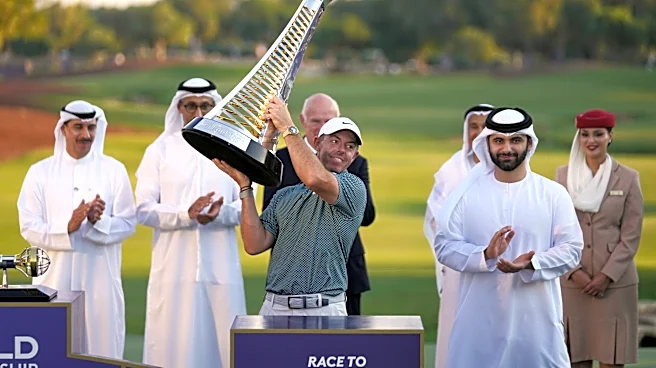
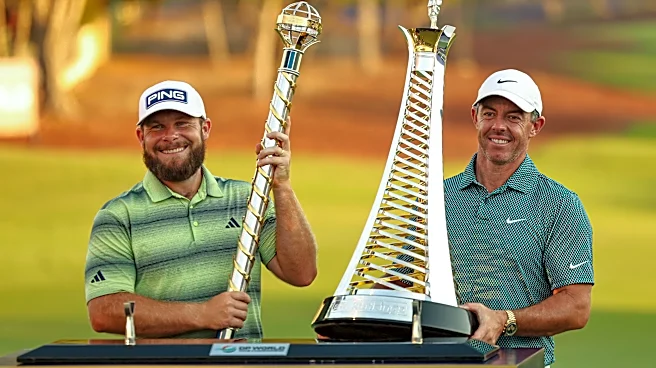
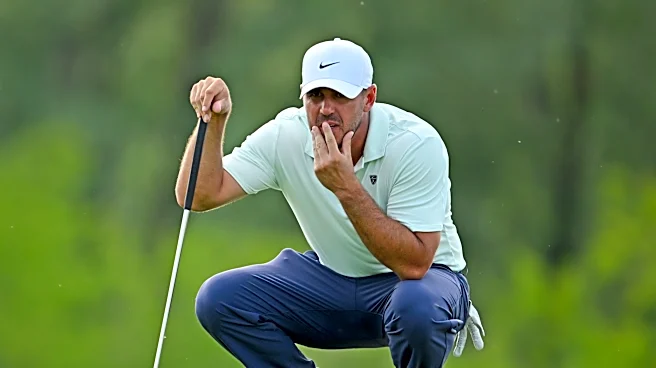
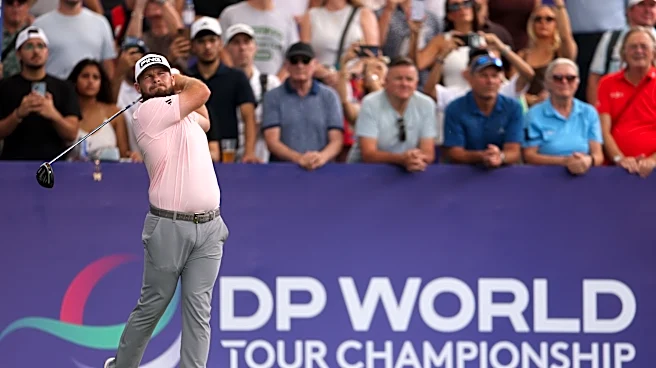
league now appears precarious as LIV Golf is reportedly on the brink of collapse. Rahm faces a potential 12-month ban from the PGA Tour due to his participation in LIV Golf. He expressed that he has no definitive information regarding his return, stating that only the PGA Tour knows the specifics of what will happen. Rahm hopes for a similar deal to the one Brooks Koepka received, which allowed for a return. If not granted an immediate route back, Rahm would need to regain his PGA Tour card through the DP World Tour, which he believes he can achieve by finishing in the top 10 of the Race to Dubai.
Why It's Important?
Jon Rahm's situation highlights the ongoing tension and unresolved issues between the PGA Tour and LIV Golf, which have significant implications for the professional golf landscape in the U.S. and globally. The potential collapse of LIV Golf could lead to a reintegration of its players into the PGA Tour, but the terms of such a return, particularly regarding penalties like Rahm's ban, remain a critical point of contention. The outcome for Rahm could set a precedent for other golfers who defected to LIV, influencing future player decisions and the overall structure of professional golf. For fans and sponsors, clarity on player eligibility is crucial for maintaining interest and investment in tournaments. The uncertainty also underscores the financial and career risks players undertook by joining LIV Golf, impacting their ability to compete in major championships and traditional tours.
What's Next?
The PGA Tour is expected to hold board meetings to address the future of players like Jon Rahm, with a decision potentially coming in November or December. Rahm will await the PGA Tour's stance on his eligibility for 2027. If the ban is enforced and no special agreement is reached, he plans to compete on the DP World Tour to earn his PGA Tour card. The broader implications involve ongoing negotiations between the PGA Tour and LIV Golf, or its potential remnants, to establish a unified or harmonized professional golf structure. The resolution of player bans and pathways for return will be a key factor in stabilizing the sport and ensuring top talent can compete across all major events. The situation also puts pressure on golf's governing bodies to define clear rules for player participation across different tours.
Beyond the Headlines
The saga of Jon Rahm and other golfers moving between the PGA Tour and LIV Golf reflects a larger battle for control and influence within professional sports. The financial incentives offered by LIV Golf challenged the traditional structures and loyalties within golf, forcing a re-evaluation of player rights, tour obligations, and the sport's global governance. The potential return of players like Rahm to the PGA Tour, possibly under negotiated terms, could signify a shift towards consolidation or a more integrated model, rather than continued fragmentation. This situation also raises ethical questions about loyalty versus financial opportunity in professional sports and the role of governing bodies in protecting the integrity of the game while adapting to evolving market dynamics. The outcome will likely shape how professional golf is organized and consumed for years to come.