






What's Happening?
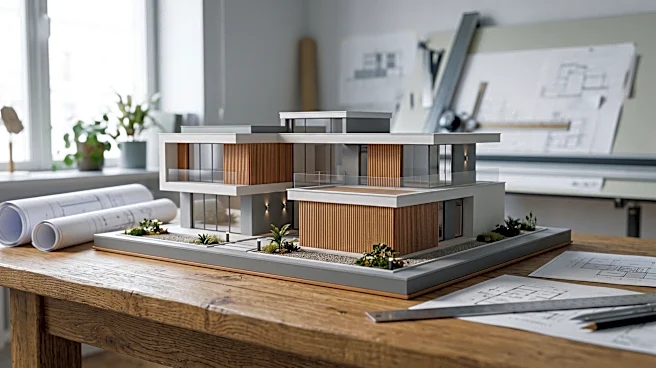
Artificial intelligence (AI) is transforming the home renovation and interior design industry, offering advanced tools that enable both professionals and average individuals to generate high-quality design ideas. Platforms like HomeVisualizer, VisualizeAI,
and RoomGPT are at the forefront of this change. HomeVisualizer combines AI with professional software, allowing users to create 'hybrid designs' from sketches and photos, with adjustable creativity settings. VisualizeAI specializes in converting various visual inputs, such as CAD drawings, photos, and sketches, into photorealistic visualizations, providing detailed control over design elements. RoomGPT offers a user-friendly interface, simplifying the design process for beginners by allowing quick uploads of photos, room types, and style selections from a diverse catalog, including designs by renowned architects. These tools aim to make sophisticated design accessible, reducing the need for extensive professional background.
Why It's Important?
The integration of AI into home renovation and interior design holds significant importance for the U.S. market. It democratizes access to professional-grade design capabilities, potentially empowering homeowners to undertake more ambitious DIY projects or refine their visions before consulting professionals. This could lead to increased efficiency in the design phase, reduced costs for initial consultations, and a broader range of personalized design outcomes. For businesses in the home improvement sector, these tools could streamline client presentations and project planning. While architects and designers remain crucial, AI tools enhance their workflow and allow them to focus on more complex, creative challenges. The accessibility of these tools could also stimulate innovation in home aesthetics and functionality, catering to diverse consumer preferences and budgets across the U.S.
What's Next?
The continued evolution of AI in home design is expected to bring even more sophisticated and user-friendly tools to the market. Future developments may include enhanced integration with smart home technologies, real-time cost estimation for materials and labor, and more advanced predictive modeling for design trends. As these tools become more prevalent, there may be a shift in the roles of traditional interior designers and architects, with a greater emphasis on collaboration with AI rather than direct competition. Educational institutions might also adapt their curricula to include AI design proficiency. Furthermore, the increased adoption of these tools could lead to a more informed and engaged consumer base, driving demand for customizable and visually appealing home environments. The industry will likely see more specialized AI applications catering to niche design needs and sustainability goals.
Beyond the Headlines
Beyond the immediate practical benefits, the rise of AI in home design raises deeper implications regarding creativity, intellectual property, and the future of human-computer collaboration. The ability of AI to generate 'hybrid designs' and interpret user preferences challenges traditional notions of artistic originality. Questions may arise about the ownership of AI-generated designs and the ethical considerations of using AI to replicate or adapt existing architectural styles. Culturally, these tools could influence aesthetic trends, potentially leading to a more homogenized design landscape or, conversely, fostering unprecedented diversity through personalized options. Legally, frameworks may need to be developed to address copyright and liability issues related to AI-assisted designs. The long-term impact could redefine the relationship between homeowners, designers, and technology, fostering a new era of co-creation in the built environment.