







What's Happening?
Major League Baseball (MLB) has implemented a new restriction on the use of artificial intelligence tools on dugout iPads, effectively disabling custom tabs that some teams were using to gain strategic advantages during games. This decision, announced
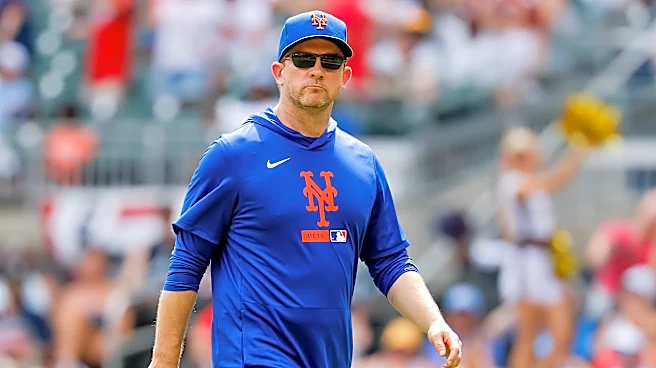
by MLB executive vice president of baseball operations Morgan Sword, aims to curb the use of AI for in-game recommendations on substitutions and pitch calling, which are traditionally the responsibilities of players and coaches. The move follows reports that the New York Mets were among the teams utilizing these advanced technologies. While the league's review found that most teams adhered to existing rules, the growing sophistication of these tools prompted the restriction. The use of iPads in dugouts began with a pilot program in 2015 and expanded through a partnership with Apple in 2016. However, video use was temporarily suspended in 2020 due to the Houston Astros' sign-stealing scandal.
Why It's Important?
The restriction on AI tools in MLB dugouts highlights the ongoing tension between technology and traditional sports strategies. By limiting AI's role in decision-making, MLB aims to preserve the human element of the game, ensuring that players and coaches remain central to strategic decisions. This move could impact teams that have heavily invested in technology to gain a competitive edge, potentially leveling the playing field. The decision also reflects broader concerns about the role of AI in sports, where its use could alter the dynamics of competition. Teams that have relied on these tools may need to adjust their strategies, which could affect game outcomes and player performance. The restriction underscores the importance of maintaining a balance between innovation and the integrity of the sport.
What's Next?
As MLB enforces this new restriction, teams will need to adapt to the absence of AI-driven insights during games. This could lead to a renewed focus on traditional coaching methods and player intuition. Teams may also explore other technological innovations that comply with league regulations. The decision may prompt discussions within the league about the future role of technology in baseball, potentially leading to new guidelines or policies. Stakeholders, including team managers and players, will likely continue to debate the merits and drawbacks of AI in sports, influencing future decisions on technology use in MLB.