





What's Happening?
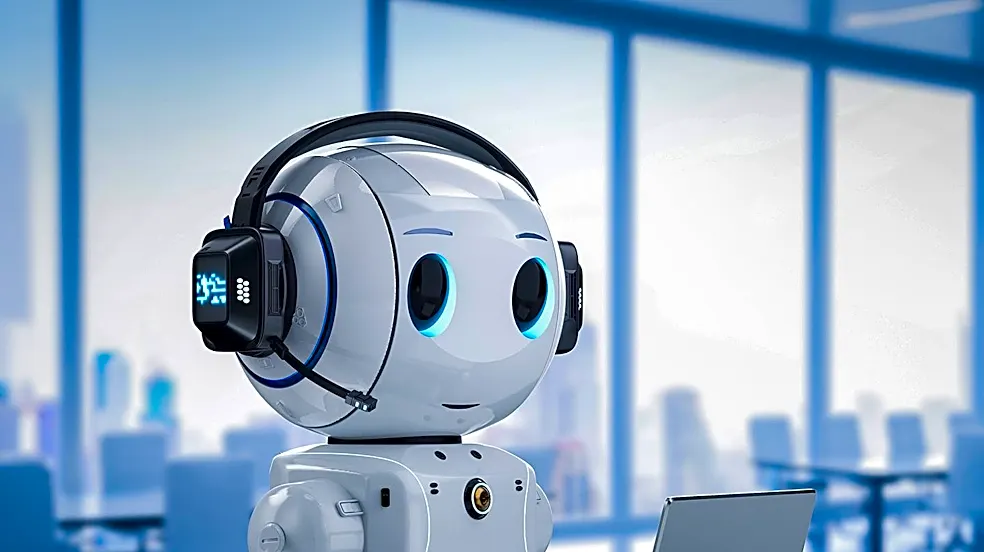
By 2026, conversational AI chatbots have significantly advanced beyond traditional rule-based systems, leveraging technologies like large language models (LLMs) and natural language processing (NLP) to understand natural language, maintain conversation flow,
and generate context-aware responses. These AI-powered assistants are designed to interpret user intent, answer questions, and automate tasks more naturally. In a workplace setting, their effectiveness is increasingly dependent on their ability to understand conversation history, organizational knowledge, and user permissions. This contextual understanding allows them to provide more relevant support, summarize discussions, automate repetitive tasks, and help employees find information across various business tools. Slackbot is highlighted as a prime example of a context-aware AI agent that helps teams manage large volumes of messages and automate work, with reports indicating significant time savings and high user satisfaction.
Why It's Important?
The evolution of conversational AI chatbots is crucial for U.S. businesses and organizations seeking to enhance operational efficiency and employee productivity. By providing context-aware assistance, these advanced chatbots can significantly reduce the time employees spend searching for information or handling repetitive tasks. This shift allows human workers to focus on more complex, high-value activities, potentially leading to increased innovation and strategic output. The ability of these chatbots to integrate with existing organizational knowledge bases and respect user permissions also addresses critical concerns regarding data security and information governance. Companies that successfully implement these sophisticated AI tools stand to gain a competitive advantage through streamlined workflows and improved internal communication, while those that lag may face inefficiencies and higher operational costs.
What's Next?
As conversational AI continues to evolve, organizations will likely prioritize tools that offer deeper contextual understanding, moving beyond simple prompt-response mechanisms. The focus will be on AI agents that can seamlessly integrate with diverse workplace tools, access and synthesize information from various sources, and adapt to the specific needs and permissions of individual users and teams. Future developments are expected to further refine the AI's ability to maintain conversational continuity, reference shared documentation, and surface relevant organizational knowledge while adhering to security protocols. The adoption of such advanced AI is anticipated to become a standard for improving internal processes, with continued emphasis on measuring productivity gains and user satisfaction to drive further innovation in the field.
Beyond the Headlines
The increasing sophistication of conversational AI chatbots raises broader implications concerning the future of work and human-AI collaboration. While these tools promise significant productivity gains, they also necessitate a re-evaluation of job roles and skill sets within organizations. The ethical considerations surrounding AI's access to sensitive organizational data and its decision-making processes will become more prominent. Ensuring transparency in how these chatbots learn and respond, as well as establishing clear guidelines for their use, will be vital. Furthermore, the long-term impact on human interaction and the potential for over-reliance on AI for information retrieval and task automation warrant careful consideration to maintain critical thinking and problem-solving skills among employees.