






What's Happening?
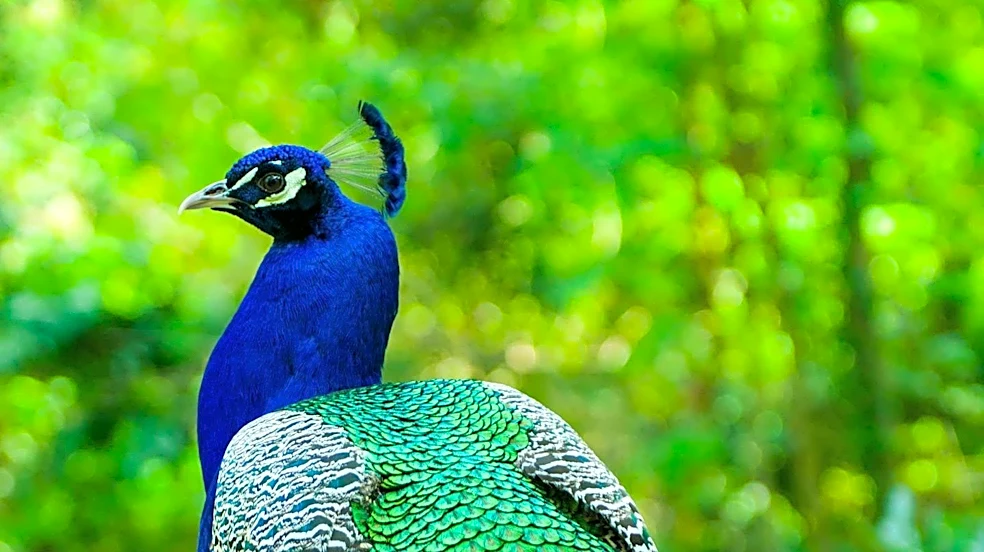
The peacock is widely recognized as a powerful symbol across various spiritual traditions and cultural narratives, representing themes such as wisdom, eternity, and the soul's journey. Its shimmering plumage and unblinking gaze have inspired allegories
of immortality, divine sight, and cycles of becoming and return. In spiritual contexts, the peacock is often seen as a vigilant guardian against malevolent forces, with its alertness rooted in observable behavior. Christian symbology frequently depicts two peacocks flanking the Tree of Life, symbolizing guardianship of eternal life and protection against spiritual corruption. Similarly, in Islamic and Hindu mandalas, peacock imagery is used at sacred thresholds to ward off negative energies like envy and ill will. Folk traditions in Asia and the Mediterranean also associate the peacock with protection against the evil eye, attributing this power to its tail's circular patterns and iridescent 'eyes.'
Why It's Important?
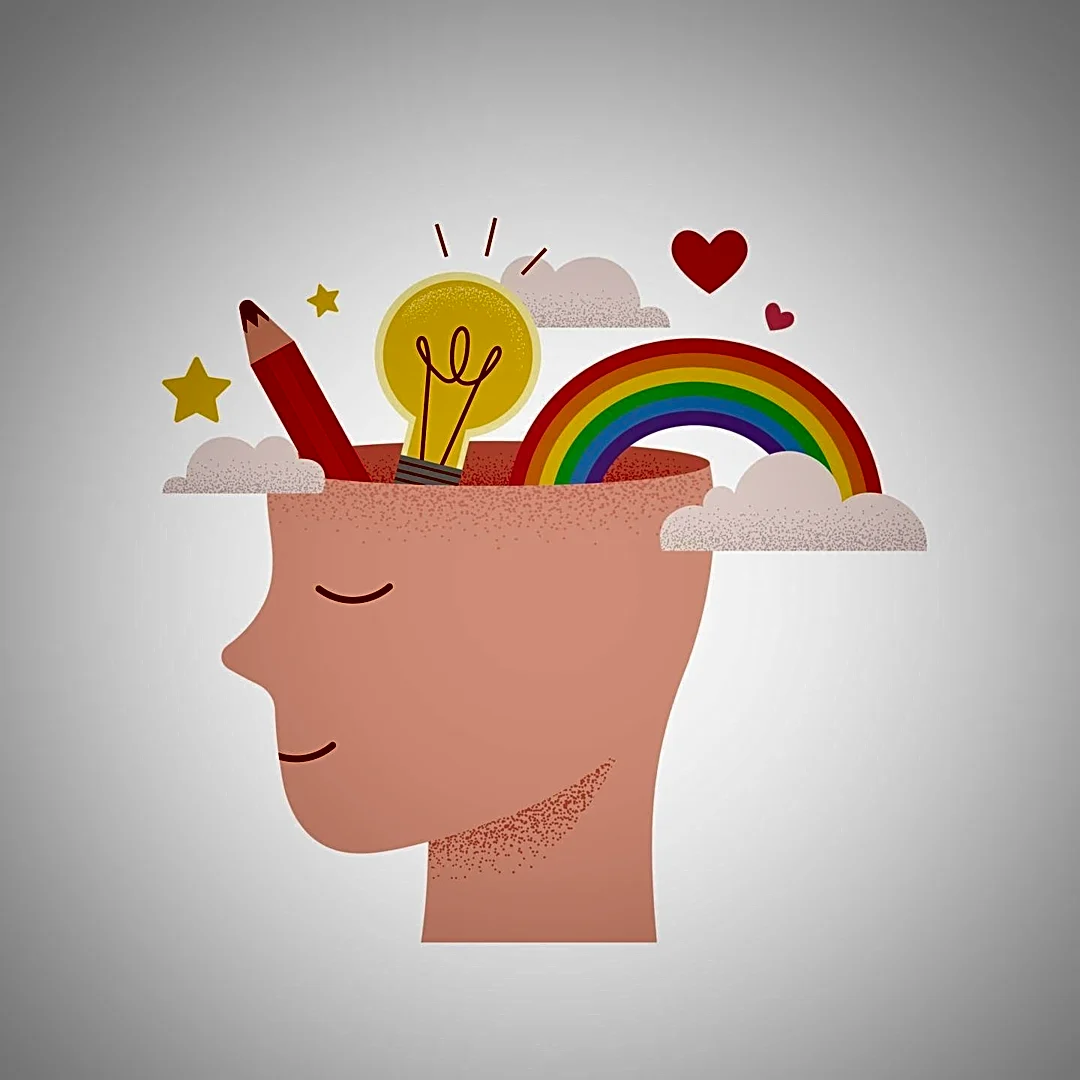
The enduring symbolic significance of the peacock highlights its deep integration into human culture and spirituality, offering insights into how different societies interpret concepts of life, death, and consciousness. Its association with immortality and resurrection, particularly in Greco-Roman and Christian traditions, underscores a universal human desire for renewal and eternal life. The bird's molting and regrowth of lush plumage serve as a powerful metaphor for death and rebirth, resonating with themes of transformation and spiritual renewal. Furthermore, the peacock's psychological interpretation, linking its image to the 'persona' or the mask one wears in social life, encourages self-reflection on authenticity and the alignment of external presentation with inner truths. This psychological dimension makes the peacock a relevant symbol for contemporary mindfulness practices and personal development, prompting individuals to examine their self-expression and integrity.
What's Next?
The continued exploration of peacock symbolism in modern spiritual movements, mindfulness practices, and neo-pagan ceremonies suggests its ongoing relevance for individuals seeking awakening and transcendence. As a meditation focus, the peacock can prompt deeper self-examination regarding one's values and truths. Artistic engagement with peacock motifs, through drawing, writing, or movement, is expected to continue translating abstract spiritual ideas into tangible experiences. Additionally, the bird's role as a symbol of ecological mindfulness is likely to grow, given its visibility as a reminder of biodiversity and habitat fragility. This will encourage spiritual communities to use the peacock to advocate for environmental and ethical considerations, fostering a deeper appreciation for the interconnected web of life.
Beyond the Headlines
Beyond its immediate symbolic interpretations, the peacock's enduring presence across centuries and belief systems speaks to a universal recognition of its power to represent transformation and the unfolding of consciousness. The bird's symbolism does not merely invite passive admiration but often calls for an active alignment between how one appears to the world and how one lives internally. This deeper implication challenges individuals to integrate beauty with moral intention, ensuring that outer brilliance reflects inner development. The ethical dimension extends to cultural sensitivity and historical awareness when approaching peacock iconography, preventing appropriation and fostering informed engagement with its rich origins. Ultimately, the peacock's spiritual symbolism encourages a synthesis of attention and authenticity, prompting individuals to live in ways that reflect their highest ideals and align awareness, integrity, and beauty in their own lives.