


What's Happening?
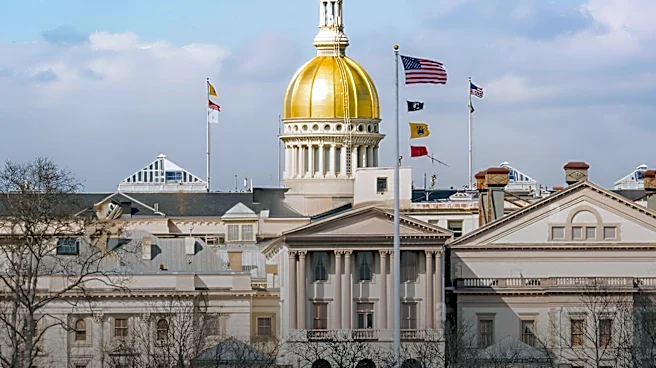
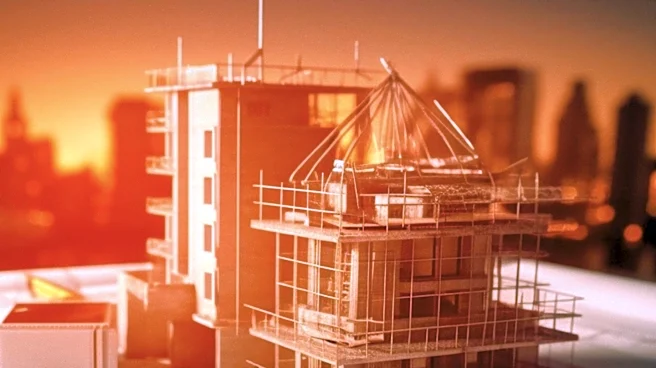
Trenton, New Jersey's real estate market is undergoing significant evolution, marked by a shift towards adaptive reuse projects to address changing demands. Fareeda Stokes, owner and broker of Harkes Realty & Associates, highlights that the city is moving
from a focus on affordability and stability to opportunity, redevelopment, and investment. The COVID-19 pandemic played a crucial role in this transformation, as remote and hybrid work models reduced the need for traditional office spaces and altered consumer foot traffic in downtown areas. In response, vacant commercial buildings are being converted into mixed-use developments. A notable example is the Broad Street Bank building, which has been repurposed into 124 rental apartments and over 12,900 square feet of commercial space. Additionally, plans are underway to renovate long-vacant apartments above downtown storefronts, aiming to bring more residents into the central business district and foster more vibrant urban environments where people can live, work, dine, and shop.
Why It's Important?
The adaptive reuse trend in Trenton's real estate market is important for several reasons. Economically, converting vacant buildings into mixed-use developments helps expand the city's tax base and supports downtown businesses by increasing residential density and foot traffic. This strategy revitalizes underutilized assets, preventing urban decay and fostering economic growth. Socially, these conversions address the growing demand for housing, particularly as remote work offers greater flexibility in residential choices. By creating environments where people can live, work, and shop within the same vicinity, Trenton is building more sustainable and community-oriented urban spaces. This approach also helps retain and attract residents who might otherwise seek more affordable or dynamic living options elsewhere. The shift reflects a broader national trend of urban centers reimagining their commercial landscapes in the wake of changing work patterns, making Trenton a case study for how cities can adapt to new economic realities.
What's Next?
Trenton is expected to continue its focus on adaptive reuse and redevelopment projects to meet evolving housing and commercial demands. The city's real estate market is poised for further growth, driven by its affordability, strategic location, and ongoing investment in revitalization efforts. Local contractors, such as Andre Williams, are actively purchasing and rehabilitating abandoned residential and commercial properties, returning them to the tax rolls and contributing to the city's renewal. Furthermore, expanded financial assistance programs for first-time homebuyers, including state-level aid and initiatives from organizations like Capital Health, are making homeownership more accessible. These programs, which can be stacked for greater benefit, are crucial for attracting new residents and stabilizing communities. The city anticipates a new chapter of steady growth, underpinned by strong fundamentals rather than speculative hype, as it continues to reinvent itself and leverage its potential.
Beyond the Headlines
The transformation of Trenton's real estate market through adaptive reuse highlights a deeper societal shift in how urban spaces are perceived and utilized. Beyond the immediate economic benefits, this trend reflects a growing emphasis on sustainability and community resilience. By repurposing existing structures, the city reduces waste and the environmental impact associated with new construction, aligning with broader ecological goals. Culturally, these projects can preserve the historical character of buildings while giving them new life, fostering a sense of continuity and identity within the community. The creation of mixed-use environments also encourages a more integrated lifestyle, potentially reducing reliance on personal vehicles and promoting walkability, which can enhance public health and social cohesion. This evolution in urban planning signifies a move towards more dynamic, adaptable, and environmentally conscious cityscapes, setting a precedent for other urban centers facing similar challenges.