






What's Happening?
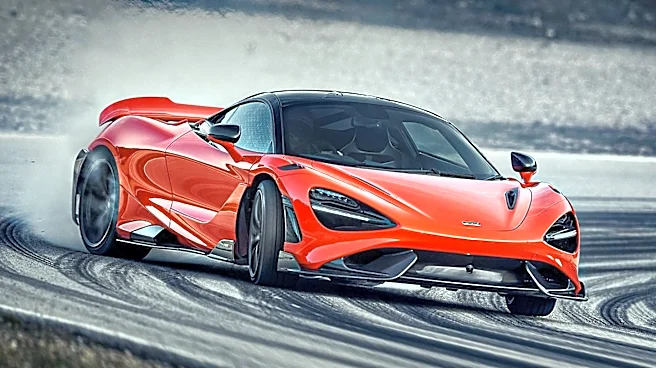
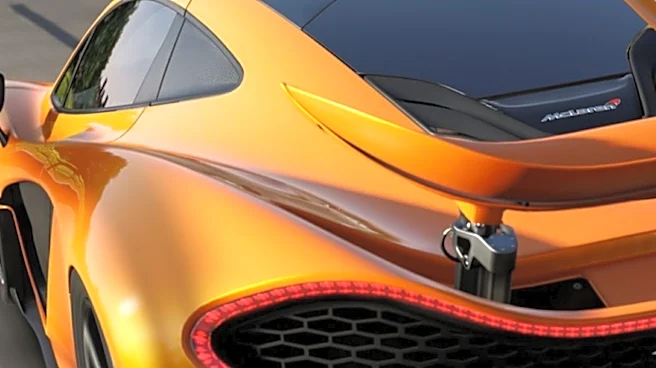
V Engineering has announced 'Project Continuum,' a new high-voltage battery program designed to extend the life and enhance the usability of the McLaren P1 hypercar. This initiative addresses the aging original battery technology in the P1, which first
appeared as a concept in 2012 and was produced from 2013 to 2015. The original battery cells, manufactured in 2010, are now showing signs of deterioration after approximately 16 years of service, potentially rendering affected P1s inoperable. V Engineering, a Berkshire-based independent McLaren engineering specialist established in 2021, developed this system as a modern alternative that maintains compatibility with the P1's existing electrical architecture. The new battery boasts a significantly increased energy capacity of 12.4kWh, compared to the original 4.72kWh, and also reduces the car's weight by 23kg. Customer installations are slated to begin in spring 2027, with considerable interest already expressed by P1 owners across various global markets, including the United States.
Why It's Important?
Project Continuum is a crucial development for the luxury automotive aftermarket and the preservation of iconic hybrid hypercars like the McLaren P1. For U.S. owners of the P1, this new battery offers a vital solution to a looming obsolescence issue, ensuring their high-value vehicles can continue to be driven and enjoyed. The increased energy capacity and weight reduction not only address the aging components but also enhance the car's performance and usability, particularly on tracks where the electric motor's assistance is frequently utilized. This initiative highlights a growing trend in the automotive industry where specialized engineering firms are stepping in to support and extend the life of classic and modern classic vehicles, especially those with complex and rapidly evolving technologies like hybrid powertrains. It also underscores the economic importance of maintaining the value and desirability of such exclusive automobiles, benefiting owners and the broader collector car market in the U.S.
What's Next?
Customer installations for Project Continuum are scheduled to commence in spring 2027. V Engineering is actively engaging with P1 owners in various regions, including the UK, Europe, the Middle East, and the United States, to discuss the program and manage demand. The company plans to provide global support for owners, ensuring that the plug-and-play solution can be integrated seamlessly with the P1's existing systems. This project is also part of a larger powertrain development program by V Engineering, suggesting further innovations for McLaren models may be on the horizon. The success of Project Continuum could pave the way for similar initiatives for other aging hybrid and electric supercars, establishing a new standard for aftermarket support in the high-performance vehicle segment. Owners can anticipate improved performance, extended electric driving range, and enhanced cooling, all contributing to a more robust and enjoyable driving experience.
Beyond the Headlines
Project Continuum delves into the ethical and practical challenges of technological obsolescence in high-value, limited-production vehicles. As automotive technology rapidly advances, particularly in electrification, maintaining older, complex hybrid systems becomes a significant concern for owners and manufacturers alike. This initiative by V Engineering demonstrates a proactive approach to preserving automotive heritage while integrating modern advancements. It raises questions about the long-term responsibility of manufacturers to support their past products and the role of independent specialists in filling those gaps. The use of FIA Formula E-compliant battery modules in a road car also highlights the trickle-down effect of racing technology into consumer applications, pushing the boundaries of performance and reliability. This project could influence future design philosophies, encouraging manufacturers to consider modular and upgradeable components to ensure longevity and sustainability for their high-performance vehicles, thereby protecting investments and fostering a more sustainable luxury automotive ecosystem in the U.S. and globally.