
What's Happening?
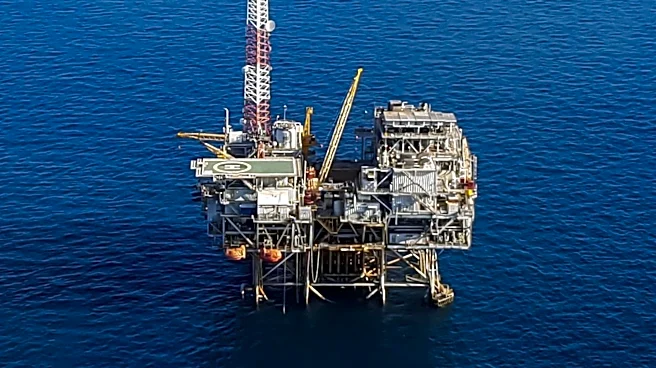
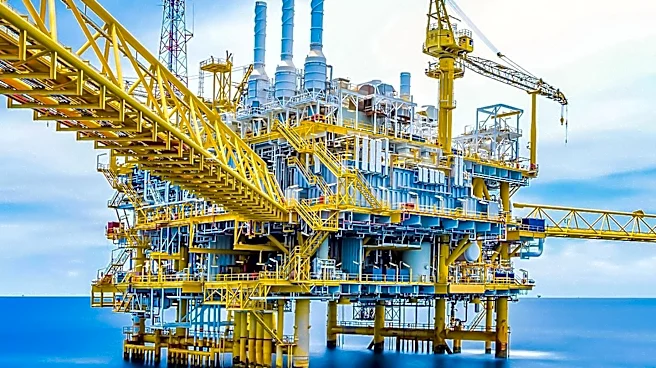
XRG, in partnership with SOCAR and TotalEnergies, has announced a Final Investment Decision (FID) for the next phase of the Absheron offshore gas and condensate field in Azerbaijan. XRG holds a 30 percent
equity interest in the project, which is located in the Caspian Sea. This expansion is projected to unlock up to 5 trillion cubic feet of recoverable gas resources. Production is slated to commence in 2029, with an anticipated daily output of up to 600 million cubic feet of gas and 47,000 barrels of condensate. This development builds upon the first phase of the Absheron field, which began production in 2023, and represents a significant step in developing one of the Caspian Sea’s largest gas discoveries. The investment also complements XRG’s existing stake in the 3,500-kilometer Southern Gas Corridor pipeline network, which facilitates gas exports from Azerbaijan to Turkey, Southern Europe, and over 15 European countries. This initiative is part of Azerbaijan's broader strategy to strengthen energy security and expand its role as a reliable gas supplier to international markets.
Why It's Important?
This substantial investment in Azerbaijan's Absheron gas field is crucial for enhancing global energy security, particularly for European nations seeking diversified gas supplies. The expansion of the Absheron field and the associated Southern Gas Corridor infrastructure will provide a vital pathway for current and future gas supplies from the Caspian Sea region to reach European markets, reducing reliance on other sources. For the U.S., this development supports the broader objective of fostering energy independence and stability among allies, as a more diversified global energy market can mitigate price volatility and geopolitical leverage. The involvement of international energy companies like TotalEnergies and Abu Dhabi’s XRG (which is investing in Azerbaijan’s gas and condensate fields) underscores the strategic importance of this project. Increased gas exports from Azerbaijan could contribute to a more stable global energy landscape, indirectly benefiting U.S. economic interests by stabilizing energy prices and supporting the economies of key trading partners.
What's Next?
With the Final Investment Decision made, the next steps involve the drilling of additional wells and the development of new processing infrastructure for the Absheron gas-condensate field. Production is scheduled to begin in 2029, and the project aims to achieve a daily output of up to 600 million cubic feet of gas and 47,000 barrels of condensate. The continued expansion of the Southern Gas Corridor will be critical to accommodate the increased gas volumes, ensuring efficient delivery to international markets. Stakeholders, including XRG, SOCAR, and TotalEnergies, will focus on the successful execution of the project, adhering to the planned timeline and production targets. Additionally, XRG is supporting education and skills development in Azerbaijan through a scholarship program, aiming to strengthen local capabilities and foster long-term partnerships. The broader implications include Azerbaijan's continued strengthening of its position as a key energy partner and the potential for further investments in the Caspian region's energy sector.
Beyond the Headlines
The Absheron gas field expansion signifies more than just increased gas production; it represents a strategic alignment of energy interests between Azerbaijan, the UAE (through XRG), and European partners. This project highlights the growing importance of the Caspian region as a critical energy bridge, offering an alternative to traditional supply routes. The long-term commitment from international players like XRG and TotalEnergies suggests a sustained effort to develop the region's vast hydrocarbon resources, which could lead to significant geopolitical shifts in energy supply dynamics. Furthermore, the emphasis on strengthening energy security and developing new oil and gas fields, alongside expanding renewable energy capacity, indicates a dual approach to energy policy in Azerbaijan. This integrated strategy aims to balance conventional energy exports with future-oriented green energy initiatives, potentially setting a precedent for other energy-rich nations in navigating the global energy transition.