






What's Happening?
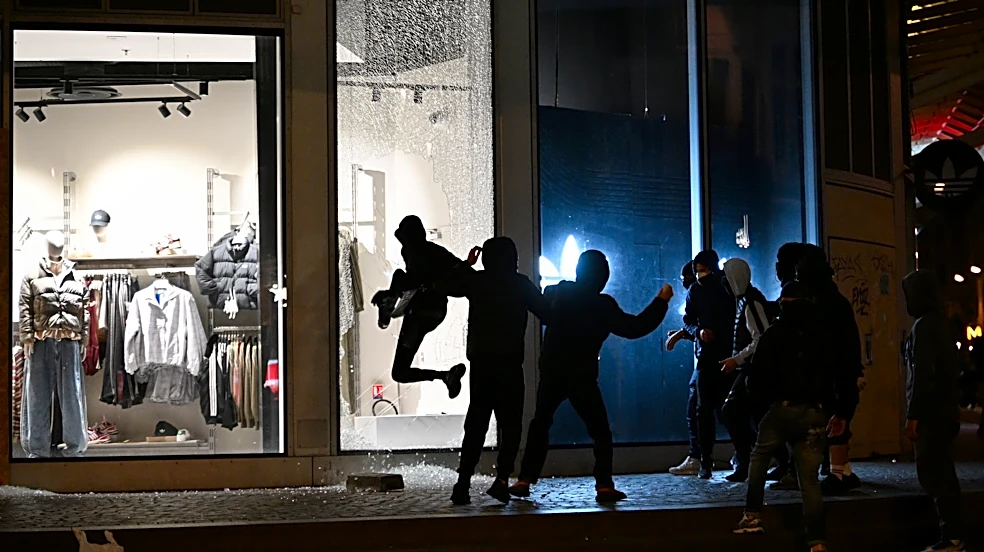
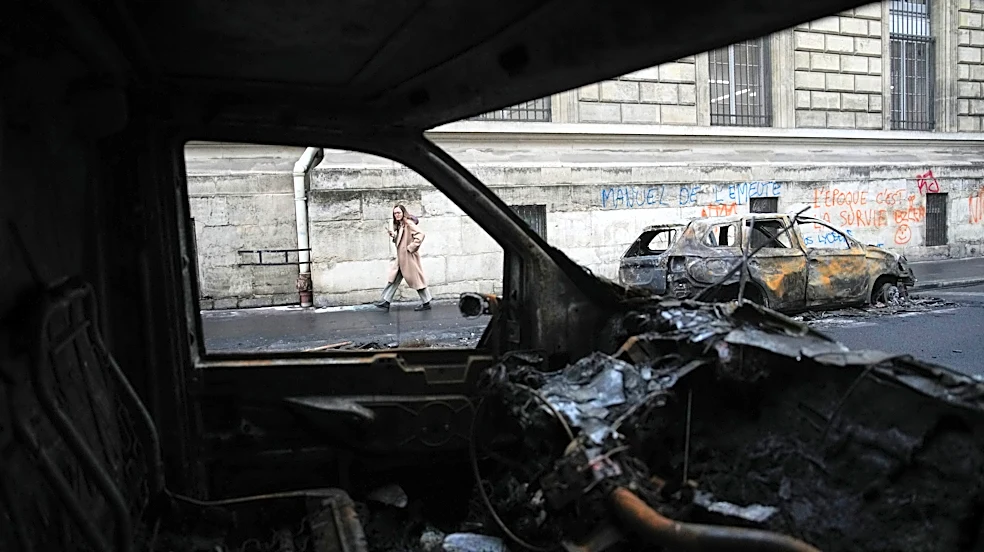
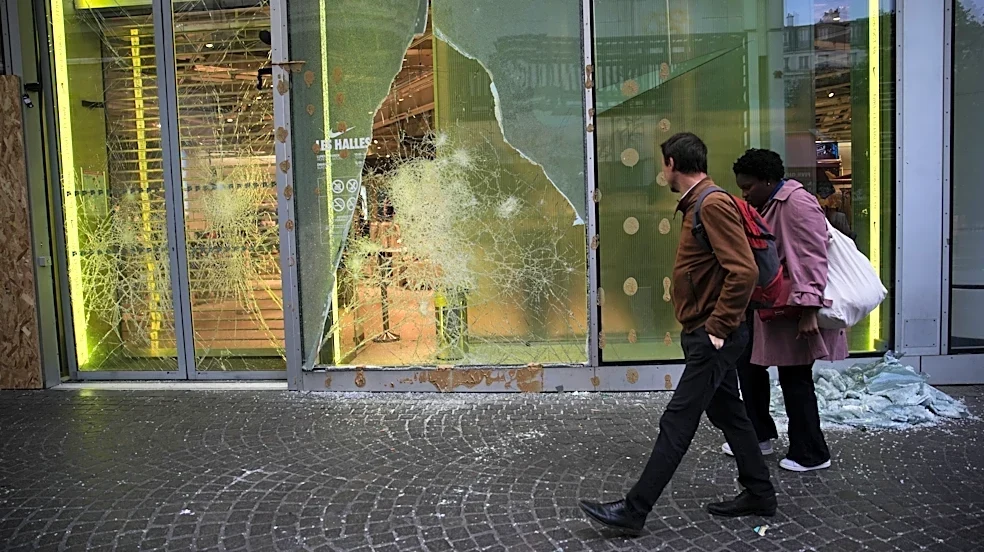
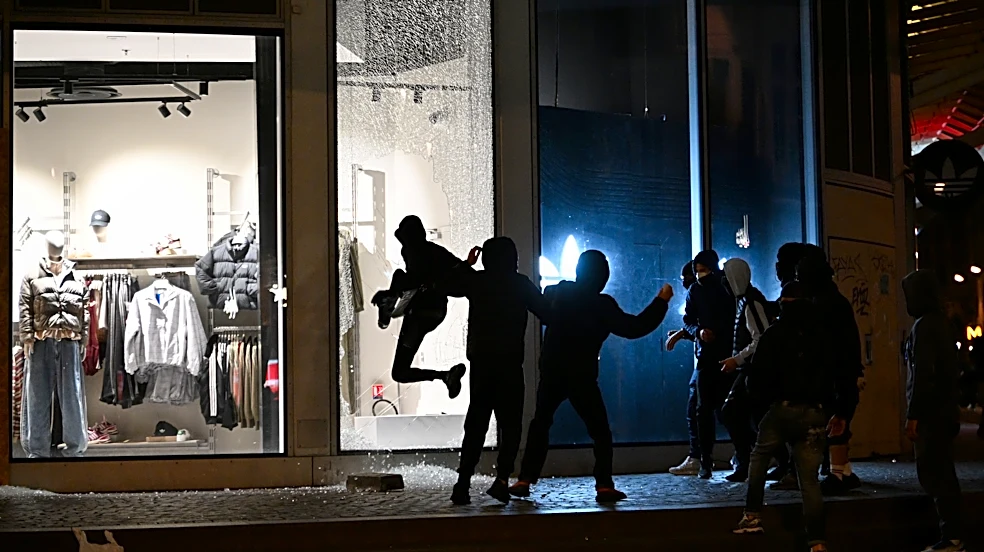
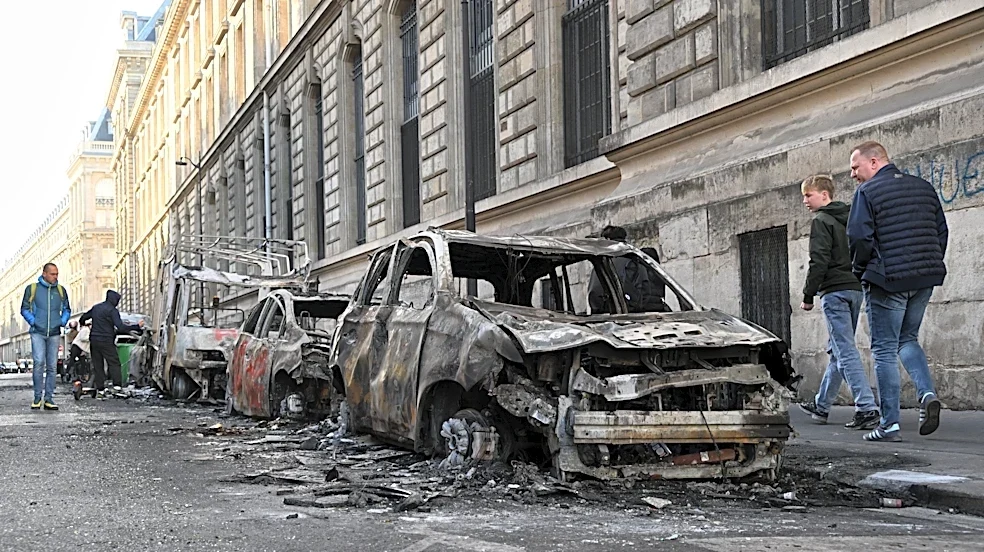
The second-hand online marketplace Vinted has taken action to remove listings of goods suspected to have been looted during recent riots across France. Following a weekend of unrest where numerous luxury stores, including Celine, Louis Vuitton, Hermès,
and Dior, were ransacked, French authorities have increased scrutiny on online marketplaces. Vinted has stated that its teams have implemented immediate measures to identify and delete listings linked to the looting and has enhanced its monitoring of suspicious advertisements. The company explicitly prohibits the sale of stolen goods and has warned that accounts found to be in breach of its rules could face permanent bans. This response comes after France’s small businesses minister, Serge Papin, held a meeting with online marketplace operators and officials from the interior and justice ministries, securing commitments from platforms to detect and remove ads for stolen items. Major retailers like Louis Vuitton, Rolex, and Sephora were affected by the violence, with Sephora reporting that several of its stores were ransacked and employees faced 'violence, fear and great tension.'
Why It's Important?
The emergence of looted luxury goods on resale platforms poses a significant challenge for retailers already grappling with property damage and business disruptions caused by the riots. The luxury sector is a cornerstone of the French economy, and the targeting of high-end brands like LVMH and Kering, both headquartered in Paris, underscores the economic impact of the unrest. The proactive measures taken by Vinted, in cooperation with French authorities, highlight a growing trend of governments and businesses collaborating to combat illicit trade facilitated by online platforms. This situation also brings to light the broader issue of accountability for online marketplaces in preventing the sale of stolen merchandise. The commitment from platforms to detect and remove such listings is crucial for maintaining consumer trust and protecting the integrity of both the primary and secondary markets for luxury goods. The potential for these items to circulate on resale platforms could further devalue brands and create a complex challenge for law enforcement in tracking and recovering stolen property.
What's Next?
French authorities will continue to monitor online sales and prosecute individuals found selling stolen goods, as stated by Serge Papin. The collaboration between online marketplaces like Vinted and law enforcement is expected to intensify, with platforms likely to further refine their detection mechanisms and reporting protocols for suspicious listings. Retailers will likely assess the full extent of their losses and implement enhanced security measures to prevent future incidents. There may also be ongoing discussions and policy developments regarding the responsibilities of online platforms in preventing the sale of illicit goods, potentially leading to new regulations or industry standards. The long-term impact on the luxury market in France will depend on the effectiveness of these measures and the overall stability of the social and political climate. The focus will remain on preventing the re-entry of stolen items into the legitimate market and holding those involved in the looting and subsequent sale accountable.
Beyond the Headlines
This situation highlights the complex interplay between social unrest, economic impact, and the evolving landscape of e-commerce. The ease with which stolen goods can be listed and potentially sold online presents a significant challenge for traditional law enforcement and underscores the need for digital solutions and cross-sector collaboration. The ethical implications for consumers who might unknowingly purchase stolen items from resale platforms also come into focus, raising questions about due diligence in the second-hand market. Furthermore, the incident could prompt a re-evaluation of security protocols for luxury retailers in urban centers, particularly in times of heightened social tension. The involvement of major luxury conglomerates like LVMH and Kering, which are global leaders, suggests that the repercussions of such events can extend beyond national borders, affecting international supply chains and brand reputations. The incident also serves as a stark reminder of the vulnerability of physical retail spaces to large-scale civil disturbances and the subsequent digital challenges in managing the aftermath.