





What's Happening?
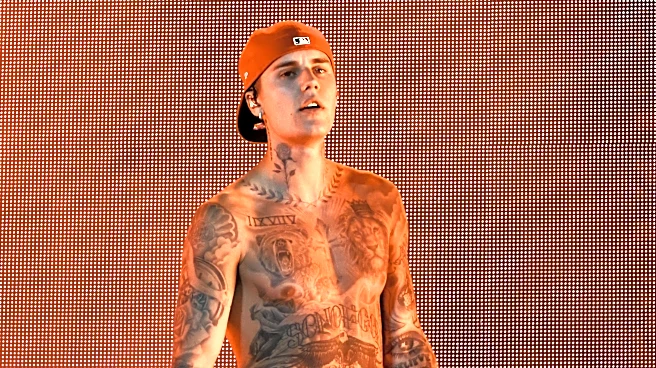
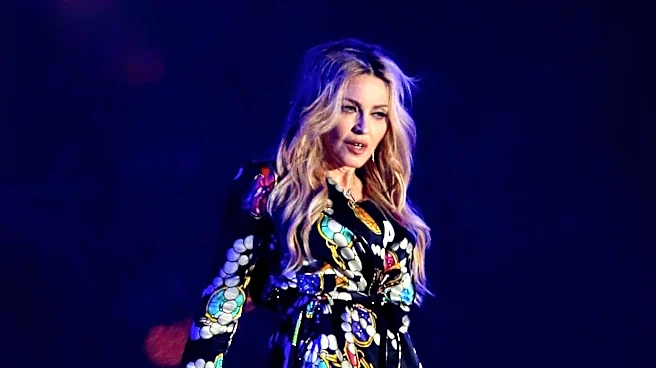
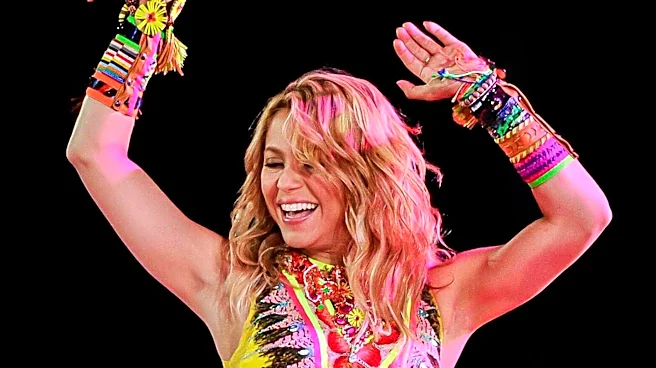
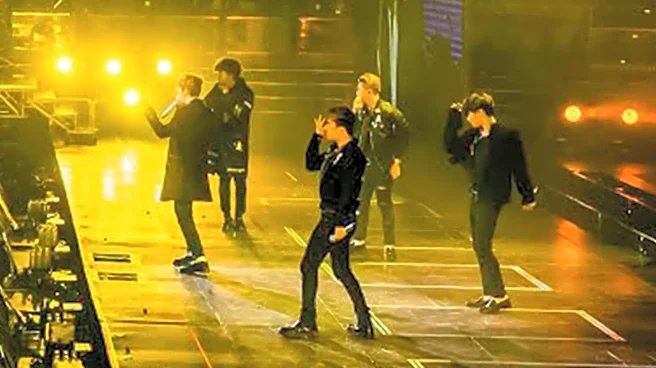
For the first time in its history, the FIFA World Cup will feature a halftime show during its final match, set to take place at MetLife Stadium. The lineup includes globally renowned artists BTS, Shakira, Madonna, and Justin Bieber. This decision marks
a significant shift as halftime shows are not traditionally part of international soccer events, unlike American sports. BTS, known for their massive global fanbase and advocacy for positive change, is a key highlight. Shakira, who previously performed the official song for the 2010 World Cup, returns with her new track 'Dai Dai,' which serves as the 2026 World Cup's official song. Madonna, a music icon with a career spanning four decades, and Justin Bieber, a Canadian artist with a substantial international following, complete the star-studded lineup. The show aims to support the FIFA Global Citizen Education Fund, which focuses on expanding access to education and soccer for children worldwide.
Why It's Important?
The inclusion of such high-profile artists in the World Cup halftime show underscores FIFA's strategy to enhance the event's global appeal and reach. By featuring artists with diverse fanbases, FIFA aims to attract a broader audience, potentially increasing viewership and engagement. This move also highlights the growing intersection of sports and entertainment, where major sporting events are increasingly seen as platforms for cultural and social influence. The halftime show supports the FIFA Global Citizen Education Fund, emphasizing the organization's commitment to social causes, particularly in education and youth development. This initiative could enhance FIFA's image and influence, aligning the organization with global efforts to improve educational access and opportunities for children.
What's Next?
The success of this inaugural halftime show could set a precedent for future World Cup events, potentially making halftime performances a regular feature. This could lead to increased collaboration between FIFA and the entertainment industry, offering new opportunities for artists and expanding the cultural impact of the World Cup. Stakeholders, including sponsors and broadcasters, may also benefit from the heightened visibility and engagement that such performances can generate. Additionally, the focus on education and social initiatives may encourage other sports organizations to integrate similar philanthropic efforts into their events, further blending sports with social responsibility.