








What's Happening?
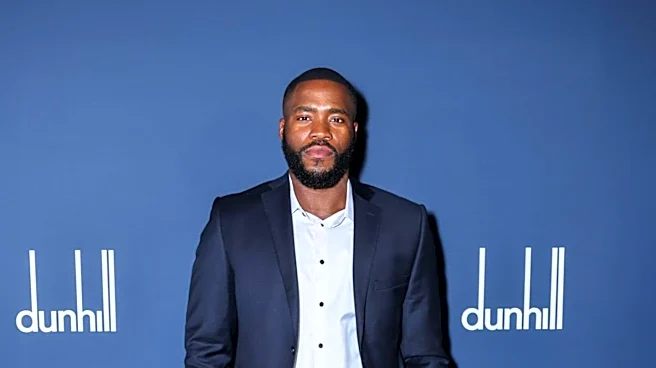
Actor Yahya Abdul-Mateen II has commented on the cancellation of the series 'Wonder Man,' expressing his views on the broader implications for diverse storytelling in Hollywood. He noted that the show, which he felt had quality storytelling, resources,
actors, and positive viewer and voter reception, did not continue forward. Abdul-Mateen II highlighted the online discourse surrounding the cancellation of 'Wonder Man' and Mahershala Ali’s reported frustration with the 'Blade' film, suggesting a pattern in the types of stories being prioritized or greenlit by major studios like Disney and Marvel. His own production company is dedicated to promoting Black and inclusive narratives, leading him to question the industry's decision-making processes regarding content development and support.
Why It's Important?
This discussion by Yahya Abdul-Mateen II is important as it sheds light on ongoing concerns within the entertainment industry regarding diversity, equity, and inclusion in content creation. The cancellation of 'Wonder Man,' despite its perceived quality and positive reception, raises questions about the criteria studios use for greenlighting and continuing projects, particularly those featuring diverse casts and narratives. This situation could impact the careers of actors, writers, and producers from underrepresented groups, potentially limiting opportunities for them to tell their stories. It also affects audiences who seek more inclusive representation on screen, as the perceived lack of support for such projects might lead to a narrower range of content being produced. The financial implications for studios are also significant, as a failure to address these concerns could lead to a loss of audience engagement and talent, ultimately affecting their market share and public image.
What's Next?
The comments from Yahya Abdul-Mateen II could prompt further discussions within the entertainment industry about transparency in project development and cancellation decisions. Studios like Disney and Marvel may face increased scrutiny regarding their commitment to diversity and inclusion, potentially leading to calls for more explicit policies or initiatives to support a wider range of stories. Actors and creators from diverse backgrounds might continue to advocate for greater control over their narratives and more equitable opportunities. This situation could also influence future content strategies, with studios potentially re-evaluating how they assess the viability and impact of projects, especially those that aim to tell Black and inclusive stories. The ongoing online discourse suggests that audiences will continue to demand and support diverse content, putting pressure on the industry to respond.
Beyond the Headlines
Beyond the immediate impact on 'Wonder Man,' Abdul-Mateen II's remarks touch upon deeper systemic issues within Hollywood concerning power dynamics and creative control. The perceived struggle to greenlight and sustain diverse projects, even those with strong creative teams and positive initial reception, suggests that underlying biases or commercial considerations might still heavily influence decision-making. This raises ethical questions about the industry's responsibility to reflect the diverse demographics of its audience and to provide platforms for a multitude of voices. The long-term shift could involve a more fundamental re-evaluation of how success is defined in Hollywood, moving beyond purely financial metrics to include cultural impact and representation. It also highlights the ongoing challenge for creators to navigate a system that, despite outward commitments to diversity, may still struggle with internal mechanisms that perpetuate traditional storytelling norms.