








What's Happening?
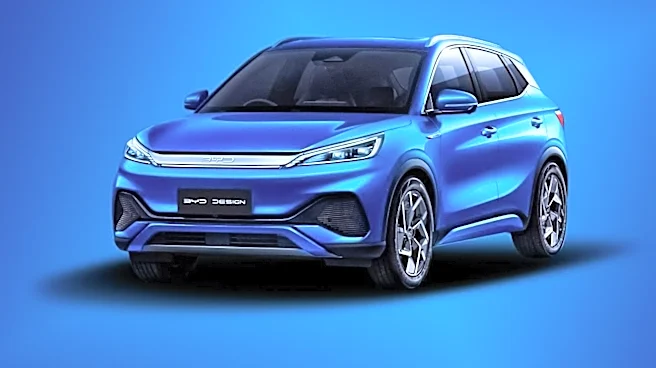
BYD, a leading Chinese electric vehicle manufacturer, has appointed Péter Szijjártó, Hungary’s former foreign minister, as its executive responsible for external relations and new business development. Szijjártó, who recently resigned from his parliamentary
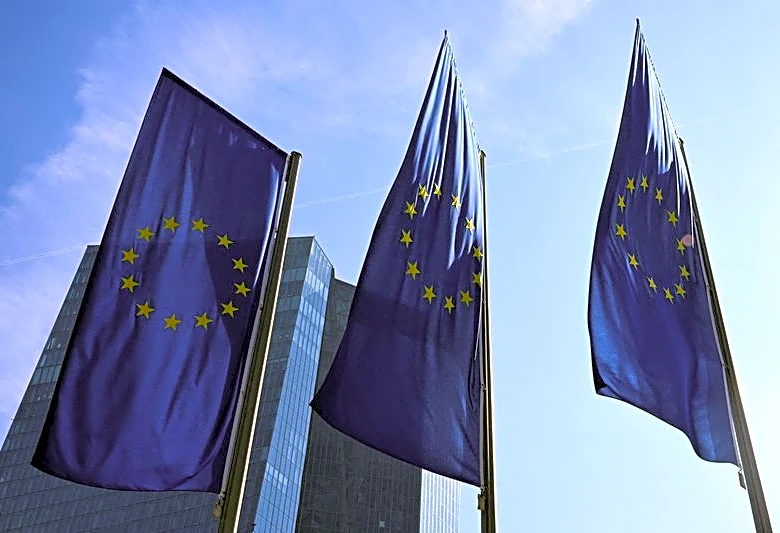
seat, played a pivotal role in negotiating the establishment of BYD's first European factory in Szeged, Hungary. His appointment comes at a critical time as the European Union and China are engaged in negotiations to resolve trade tensions, with a self-imposed deadline in October. Szijjártó's extensive network across Central and Eastern Europe, regions historically open to Chinese investments, provides BYD with significant political access. However, his appointment has drawn criticism from Hungary's new Prime Minister, Péter Magyar, who has accused Szijjártó of prioritizing foreign interests and securing substantial Hungarian state subsidies for BYD.
Why It's Important?
The hiring of Szijjártó by BYD underscores the strategic importance of political connections in navigating international trade and investment landscapes. As the EU and China work to resolve trade disputes, having a former foreign minister with deep ties in the region could offer BYD a competitive edge. This move highlights the growing influence of Chinese companies in Europe and the potential for political dynamics to impact business operations. However, the appointment also poses reputational risks for BYD, as it may reinforce perceptions of Chinese investments being politically motivated. The outcome of these negotiations could significantly affect BYD's ability to expand its manufacturing footprint in Europe and influence EU trade policies regarding Chinese electric vehicles.
What's Next?
The immediate focus for BYD will be managing its relationship with the new Hungarian administration, which aligns more closely with EU policies that are generally skeptical of Chinese investments. The success of the Szeged plant, currently in its ramp-up phase, depends on continued cooperation from Hungarian authorities. Additionally, BYD will need to navigate the broader EU political landscape, where its lobbying efforts, including potential collaborations with the European Automobile Manufacturers’ Association, will be crucial. The resolution of EU-China trade negotiations will also play a significant role in shaping BYD's future operations and expansion plans in Europe.
Beyond the Headlines
Szijjártó's appointment may have deeper implications for EU-China relations, particularly in the context of trade and investment policies. It raises questions about the ethical considerations of hiring former government officials for lobbying roles and the potential influence of such appointments on policy decisions. The situation also reflects broader geopolitical tensions between the EU and China, where economic interests are increasingly intertwined with political strategies. As Chinese companies like BYD continue to expand globally, their ability to navigate complex political environments will be critical to their success.