







What's Happening?
The hygge lifestyle, a Danish concept, is gaining traction for its focus on creating contentment and well-being through cozy and comfortable home environments. This approach goes beyond mere aesthetics, emphasizing genuine warmth, comfort, and connection
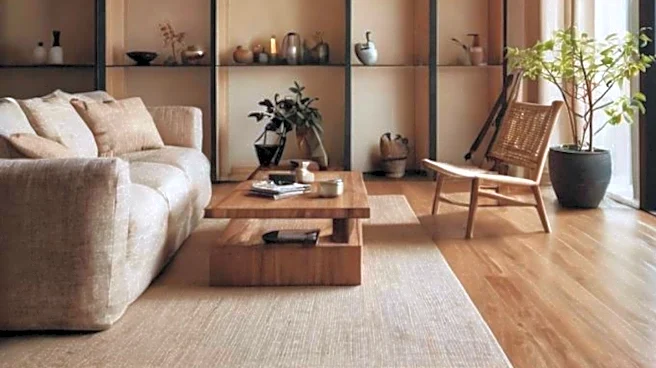
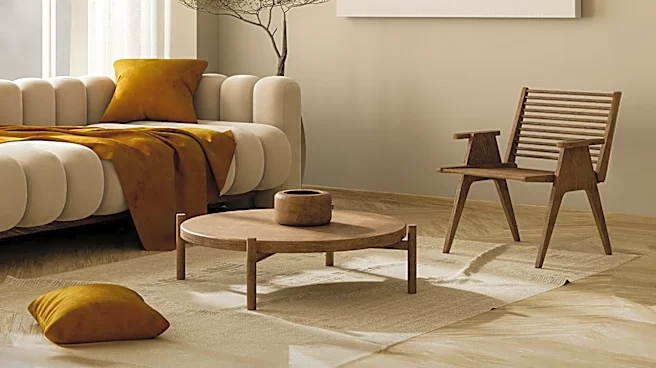
through soft lighting, natural textures, and unhurried moments. Meik Wiking, CEO of Denmark’s Happiness Research Institute, defines hygge as encompassing togetherness, relaxation, indulgence, presence, and comfort. While often simplified to 'cozy,' hygge requires both a supportive physical setting and a quality of presence within it. Materials like wool, sheepskin, blond wood, and woven textiles are commonly associated with hygge-inspired spaces, particularly during colder months. The concept also involves rituals, such as sharing hot drinks without distractions or lighting a candle to mark the transition from work to evening, which can be practiced alone or with others.
Why It's Important?
The growing interest in the hygge lifestyle reflects a broader societal desire for increased well-being and a retreat from the fast-paced nature of modern life. As Denmark consistently ranks high in global happiness reports, the cultural practice of hygge is identified as a significant contributor to sustained satisfaction. This trend impacts the home decor and lifestyle product industries, with a focus on items that promote comfort, warmth, and natural aesthetics. Consumers are increasingly seeking products like TENCEL™ Lyocell Sheet Sets and Organic Cotton Jersey Duvet Cover Sets that align with hygge principles. The emphasis on intentionality and presence also encourages a shift in consumer behavior, prioritizing experiences and genuine connection over purely material acquisitions. This cultural movement can influence how individuals design their living spaces and allocate their leisure time, fostering a greater sense of calm and contentment.
What's Next?
The hygge trend is likely to continue influencing product development in home goods, textiles, and even hospitality, with more businesses incorporating elements of comfort and intentional coziness. We can expect to see a continued emphasis on natural materials, soft lighting solutions, and products designed to facilitate relaxing rituals. The concept may also inspire more individuals to re-evaluate their daily routines and home environments, seeking to integrate more moments of unhurried presence and connection. Educational content and workshops on adopting hygge practices could also become more prevalent, guiding people on how to cultivate this lifestyle beyond simply purchasing decor. The long-term impact could be a more mindful approach to home living and personal well-being, moving beyond fleeting trends to embrace sustainable practices for happiness.
Beyond the Headlines
The widespread appeal of hygge highlights a deeper cultural yearning for authenticity and a counterbalance to the digital age's constant connectivity and demands. In a society often driven by productivity and external validation, hygge offers a philosophy that values internal contentment, simple pleasures, and meaningful human connection. This shift could have profound implications for mental health, encouraging individuals to create sanctuaries within their homes and prioritize self-care and interpersonal relationships. The concept also challenges the consumerist notion that happiness can be bought, instead emphasizing that genuine well-being stems from intentional practices and a mindful approach to daily life. This cultural movement could foster a greater appreciation for slowness, presence, and the often-overlooked joys of everyday existence, potentially leading to a re-evaluation of societal values and priorities.