




What's Happening?
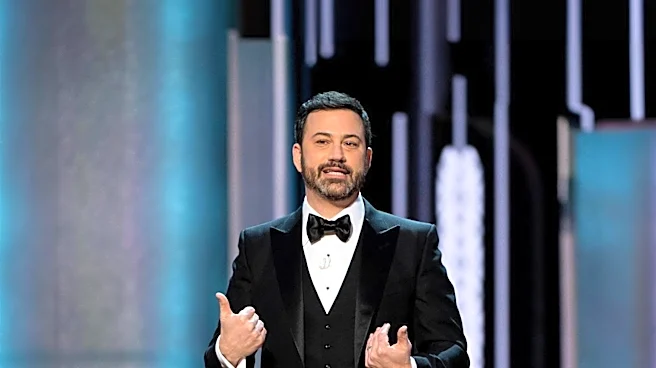
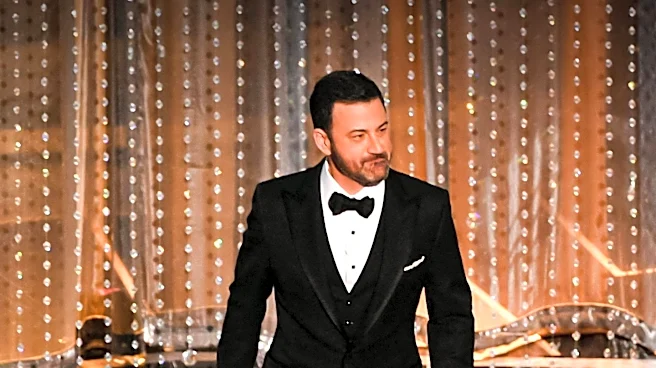
The 'Jimmy Kimmel monologue last night YouTube' search query has become a daily routine for millions, indicating a significant shift in how audiences consume late-night television and process daily news. Viewers are increasingly turning to YouTube to watch
Jimmy Kimmel's monologues, which condense complex news cycles into digestible, humorous segments. This digital consumption allows viewers to bypass traditional broadcast schedules and commercial breaks, accessing content on mobile devices during commutes or lunch breaks. Kimmel's monologues are characterized by topical, observational humor and are structured with thematic 'chapters' to optimize for YouTube's algorithm, encouraging high dwell time and engagement. The official 'Jimmy Kimmel Live!' YouTube channel uploads the full monologue shortly after the East Coast broadcast, often landing on the Trending tab.
Why It's Important?
This trend highlights the evolving role of late-night hosts as 'cultural translators' who provide a humorous perspective on stressful and polarizing news. For media companies like ABC, the digital success of Kimmel's monologues on YouTube is crucial for reaching a global audience beyond traditional television. The platform's accessibility and the ability to engage with content on demand cater to modern viewing habits, especially among younger demographics. The high search volume and engagement metrics on YouTube demonstrate the enduring power of well-crafted comedy in an age of information overload. This shift also impacts advertising strategies, as content creators and networks increasingly focus on digital platforms to maximize reach and revenue.
What's Next?
The continued popularity of late-night monologues on YouTube suggests that digital platforms will remain a primary channel for news commentary and entertainment. Late-night shows are likely to further optimize their content for online consumption, focusing on shareable clips and algorithm-friendly formats. This could lead to more interactive elements and community engagement features on platforms like YouTube. The competition among late-night hosts for online viewership will intensify, driving innovation in how political satire and cultural commentary are delivered. As linear television viewership declines, the digital presence of shows like 'Jimmy Kimmel Live!' will become even more critical for their overall success and cultural impact.
Beyond the Headlines
The phenomenon of trending late-night monologues on YouTube reflects a broader societal change in how individuals engage with public discourse. In an era of rapid news cycles and often overwhelming information, comedic interpretations offer a coping mechanism and a way to process complex events. This reliance on humor for news consumption can shape public opinion and influence political engagement, particularly among those who might otherwise disengage from traditional news sources. The curated, bite-sized nature of these monologues also contributes to a culture of quick information absorption, potentially impacting the depth of public understanding of critical issues. The ability of a single monologue to go viral and spark widespread discussion underscores the significant influence of digital media in shaping contemporary cultural and political narratives.