






What's Happening?
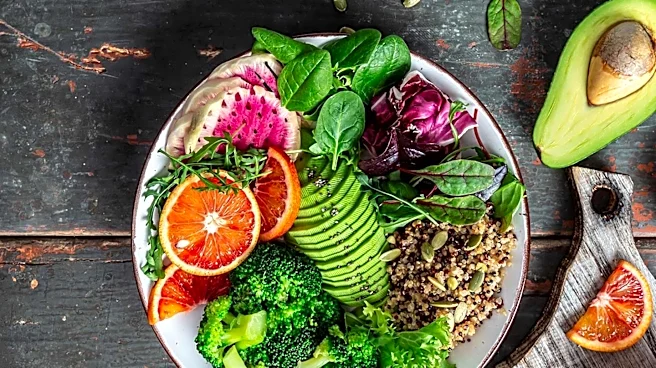
The term 'superfoods' is used to describe foods that offer numerous health benefits and are rich in nutrients. While not a distinct food group recognized by dieticians, the concept is widely used in marketing to highlight foods with high nutritional value.
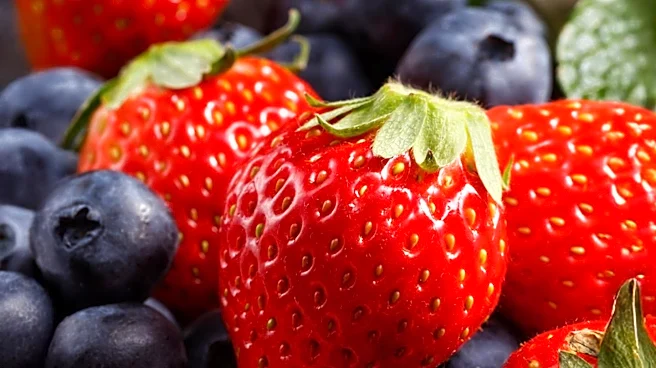
Berries, in particular, are consistently categorized as superfoods due to their exceptional nutritional content. This category includes a wide array of berries such as Maqui, Mulberries, Noni, Sea Buckthorn, Strawberries, Raspberries, Açaí, Acerola cherry, Aronia, Bilberries, Blackberries, and Blueberries. These fruits are noted for their ability to contribute to disease prevention, weight management, and overall health maintenance. The emphasis on berries as superfoods underscores their importance in a balanced diet, providing essential vitamins, minerals, and antioxidants.
Why It's Important?
The recognition of berries as superfoods is important for public health and the food industry in the U.S. From a public health perspective, promoting the consumption of nutrient-dense foods like berries can help combat rising rates of chronic diseases such as heart disease, diabetes, and certain cancers. For consumers, this information provides clear guidance on incorporating beneficial foods into their diets, potentially leading to improved health outcomes and reduced healthcare costs. In the business sector, this trend drives demand for berry production and related products, influencing agricultural practices, food processing, and retail strategies. Companies involved in health foods, supplements, and fresh produce stand to gain from increased consumer awareness and demand for these nutrient-rich options. This focus also encourages research into the specific health benefits of various berry types, potentially leading to new product developments and dietary recommendations.
What's Next?
Moving forward, the emphasis on berries as superfoods is likely to continue influencing dietary guidelines and consumer choices. We can anticipate further research into the specific compounds and mechanisms through which different berries exert their health benefits, potentially leading to more targeted dietary advice. The food industry will likely respond by expanding the availability of fresh, frozen, and processed berry products, as well as incorporating berry extracts into various health supplements and functional foods. Educational campaigns promoting the consumption of berries and other superfoods are also probable, aiming to improve public understanding of nutrition. This trend could also spur innovation in agricultural practices to meet the growing demand for diverse berry varieties, potentially impacting farming techniques and supply chains across the U.S.
Beyond the Headlines
Beyond the immediate health and market implications, the 'superfood' phenomenon, particularly concerning berries, highlights a broader cultural shift towards preventative health and natural wellness. This trend reflects a growing consumer desire for foods that offer more than just basic sustenance, seeking functional benefits that contribute to longevity and vitality. It also raises questions about the marketing of food and the scientific rigor behind health claims, as the term 'superfood' itself is primarily a marketing construct rather than a scientific classification. This can lead to both positive outcomes, by encouraging healthier eating, and potential pitfalls, such as over-reliance on a few 'miracle foods' instead of a balanced diet. The focus on berries also underscores the importance of biodiversity in agriculture, as a wide range of berry types are being recognized for their unique nutritional profiles, encouraging the cultivation and consumption of diverse plant-based foods.