









What's Happening?
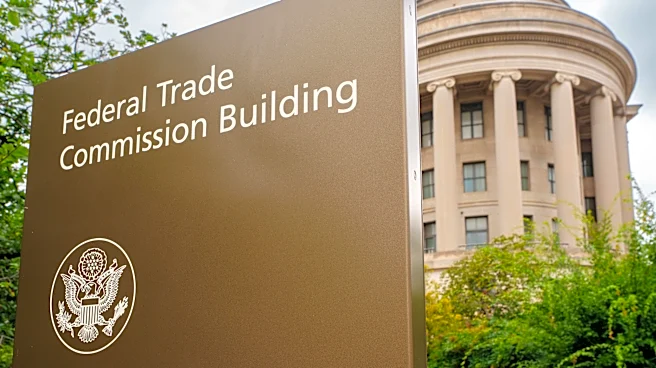
The Federal Trade Commission (FTC) and attorneys general from several states have reached a settlement with Deere & Co., commonly known as John Deere, allowing farmers and independent repair shops to fix their own equipment. This settlement addresses
long-standing complaints that John Deere restricted access to necessary software and tools, forcing customers to rely on authorized dealers for repairs. The agreement requires Deere to provide diagnostic and repair tools to equipment owners and independent shops, not just its authorized dealers. This is the second right-to-repair settlement for Deere this year, following a $99 million class-action settlement in April. The settlement also includes a $1 million payment to five states for antitrust enforcement costs and mandates compliance oversight for the next decade.
Why It's Important?
This settlement is significant as it addresses the growing right-to-repair movement, which advocates for consumers' ability to repair their own products. By allowing farmers and independent shops to repair equipment, the settlement could reduce repair costs and downtime for farmers, potentially increasing their operational efficiency. It also challenges the business model of manufacturers like Deere, who have traditionally controlled repair services. This could set a precedent for other industries, particularly technology, where similar right-to-repair issues are prevalent. The decision may influence future regulatory actions and encourage other companies to adopt more consumer-friendly repair policies.
What's Next?
The settlement awaits approval from Judge Iain D. Johnston. If approved, Deere will need to implement the changes and ensure compliance with the new requirements. The company will be under strict oversight for the next ten years to ensure adherence to the settlement terms. This development may prompt other manufacturers to reconsider their repair policies to avoid similar legal challenges. Additionally, the right-to-repair movement may gain momentum, potentially leading to broader legislative or regulatory changes that could impact various industries.