



What's Happening?
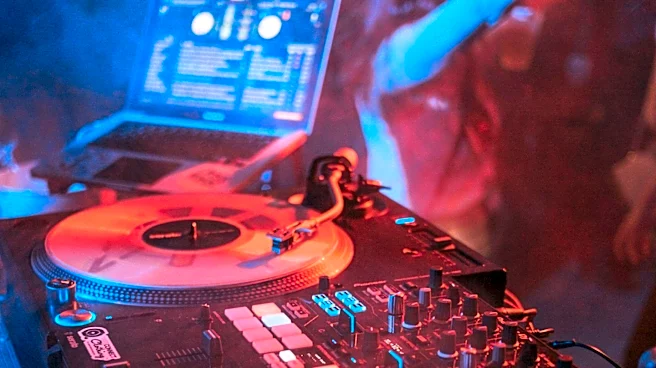
Hip-hop DJs, traditionally known for their origins in Bronx block parties, are increasingly finding success in the corporate event sector. These DJs, whose craft was built on the ability to 'read' and energize a crowd, are now applying these same skills
to Fortune 500 sales conferences, award galas, and company holiday parties. The transition signifies a shift where the corporate world has adapted to hip-hop culture, rather than the culture softening its approach. Key to their success in these new environments is their ability to provide clean edits of popular tracks while still playing records that resonate with diverse, multi-generational audiences. They also often take on dual roles, acting as both DJ and emcee, introducing executives and keeping events on schedule, a skill set exemplified by professionals like DJ Will Gill.
Why It's Important?
This trend is important because it demonstrates the broad cultural impact and adaptability of hip-hop, moving beyond its traditional entertainment venues into professional corporate settings. It highlights the universal appeal of the genre and the transferable skills developed within its culture, particularly the nuanced ability to engage and manage diverse groups of people. For the corporate world, it signifies a growing recognition of hip-hop's ability to create an energetic and inclusive atmosphere, moving away from more conventional event entertainment. This integration also provides new economic opportunities for hip-hop artists and professionals, expanding their market beyond music production and performance. It underscores how cultural movements can evolve and find new relevance, influencing mainstream practices and challenging preconceived notions about where certain art forms belong.
What's Next?
The continued integration of hip-hop DJs into corporate events suggests a growing demand for their unique skill set. This could lead to more formalized training programs or agencies specializing in corporate hip-hop entertainment. As the corporate world continues to embrace diverse cultural elements, the role of the DJ as an event host and atmosphere curator is likely to expand, potentially influencing event planning and corporate culture. There may also be an increased focus on developing DJs who can seamlessly blend entertainment with corporate messaging, requiring a sophisticated understanding of both music and business environments. This trend could also inspire other cultural practitioners to explore how their skills can be adapted to non-traditional settings, further diversifying the professional landscape for artists.
Beyond the Headlines
This phenomenon reflects a deeper cultural shift where hip-hop, once a counter-cultural movement, has become a mainstream and influential force. Its acceptance in corporate boardrooms signifies a broader societal acknowledgment of its legitimacy and power. This integration can also be seen as a form of cultural assimilation, where elements of hip-hop are adopted by institutions, potentially leading to both broader acceptance and, at times, a dilution of its original rebellious spirit. However, the core skill of 'reading a crowd' remains authentic to hip-hop's origins, demonstrating that the essence of the culture can thrive even in unexpected environments. It also raises questions about the evolving nature of professionalism and entertainment, suggesting that authenticity and engagement, regardless of their origin, are highly valued in contemporary settings.