






What's Happening?
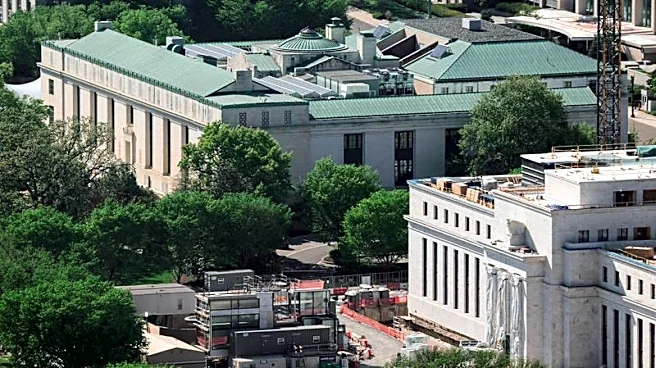
The Federal Reserve has decided to keep its key interest rate unchanged, but nearly half of its policymakers have indicated support for a potential rate hike later this year. This decision reflects concerns over persistent inflation, which is currently
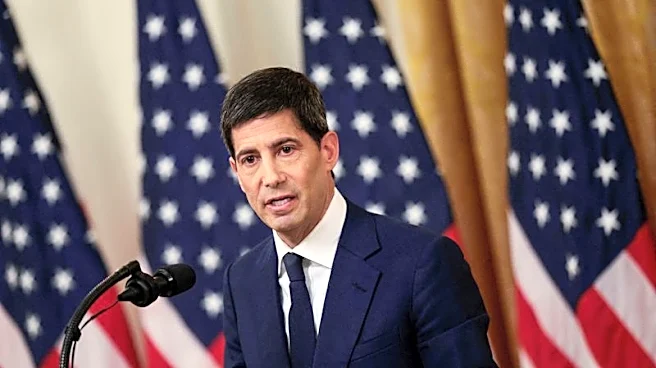
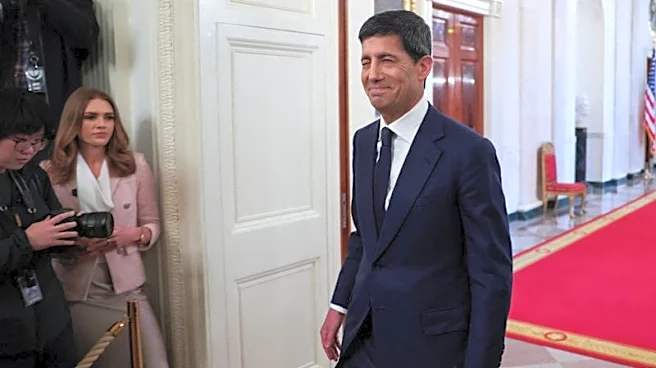
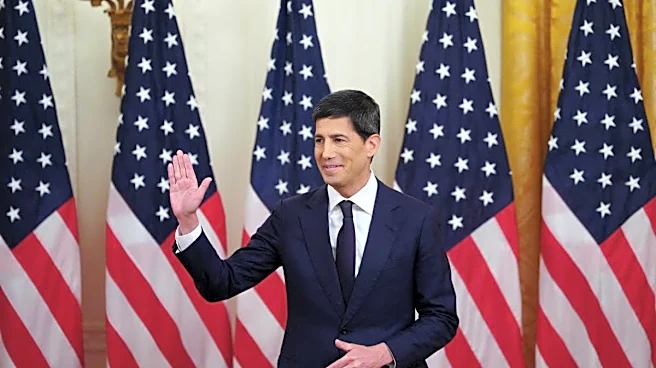
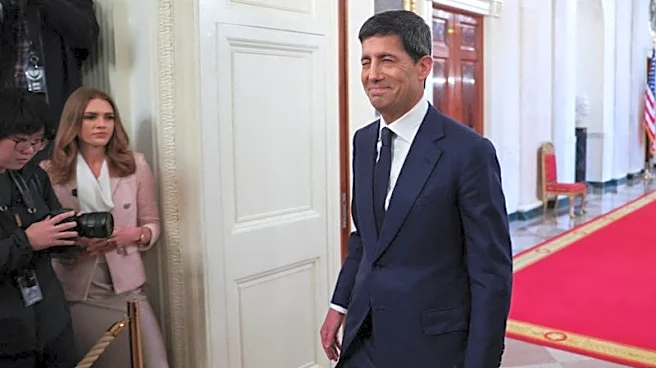
at its highest level in three years. New Fed Chair Kevin Warsh, appointed by President Trump, has emphasized the need to address inflation, suggesting a hawkish stance. The Fed's projections now show a shift from previous expectations of a rate cut to potential increases, highlighting the central bank's focus on achieving its 2% inflation target.
Why It's Important?
The Federal Reserve's stance on interest rates is crucial for the U.S. economy, influencing borrowing costs, consumer spending, and overall economic growth. The potential for rate hikes indicates a proactive approach to managing inflation, which could impact sectors reliant on low borrowing costs, such as housing and consumer goods. The decision also reflects broader economic uncertainties, including geopolitical tensions and their effects on global markets. Stakeholders, including businesses and investors, will closely monitor the Fed's actions as they navigate these economic challenges.
What's Next?
The Federal Reserve's future decisions will likely depend on inflation trends and economic indicators. If inflation remains high, further rate hikes could be implemented, affecting consumer and business borrowing. The Fed's approach will also be influenced by external factors, such as geopolitical developments and their impact on global supply chains. Market participants will watch for signals from the Fed regarding its monetary policy direction, as these will provide insights into the central bank's strategy for balancing growth and inflation.