





What's Happening?
The global luxury market, which reached €1.44 trillion in 2025, is experiencing a flattening of growth, prompting a significant shift in how luxury brands compete. The focus is moving away from pricing power alone and towards delivering exceptional experiences,
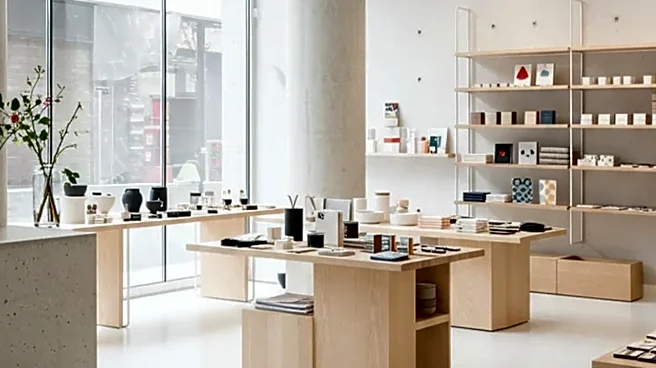
sophisticated service design, and deeper customer relationships. Luxury is now defined not just by products, but by the entire ecosystem surrounding the purchase, including services, environments, and emotional connections. This broader definition means luxury fashion houses are now competing with a wider array of experiences such as private members' clubs, wellness retreats, fine dining, and exclusive travel packages. While personal luxury goods saw a slight decline in 2025, the overall luxury market remains resilient, indicating a more demanding era where value, creativity, personalization, and emotional relevance are paramount. The post-pandemic rebound, characterized by increased travel and aggressive price hikes, has cooled, leading to a more disciplined market environment where brands must work harder to justify their premiums.
Why It's Important?
This shift is crucial for U.S. luxury industries as it redefines competitive landscapes and consumer expectations. Brands that fail to adapt to the demand for experiential luxury and personalized service risk losing market share. The emphasis on 'share of lifestyle' rather than just 'share of wallet' means U.S. luxury businesses must explore partnerships and extended services that go beyond traditional product offerings. High-spending clients, who are expected to drive a disproportionate share of market growth, demand deeper relationships, discretion, and tailored access, making relationship intelligence a critical asset. Furthermore, younger affluent consumers are redefining status, valuing taste, access, individuality, and wellness over overt logos, which impacts marketing strategies and product development. This evolution necessitates significant investment in client advisors, service training, and CRM discipline to cultivate lasting trust and loyalty among the most valuable customer segments.
What's Next?
Luxury businesses in the U.S. are expected to increasingly integrate hospitality principles into their operations, focusing on service excellence, emotional intelligence, and personalization across all sectors. This means jewelry boutiques may adopt the choreography of private salons, and fashion flagships could emulate cultural embassies. Brands will also need to develop smarter client ladders to introduce new generations of consumers without diluting exclusivity, potentially through entry-level products, digital touchpoints, and curated events. The growth of resale and vintage markets will require brands to consider how these channels can reinforce durability, heritage, and scarcity rather than being viewed as threats. Additionally, technology, particularly AI, will be leveraged to enhance personalization and operational efficiency, but with a strong emphasis on maintaining the human touch to avoid making luxury feel generic or invasive. Brands will also face increasing pressure to demonstrate credible sustainability and traceability in their products and practices.
Beyond the Headlines
The evolving luxury market highlights deeper societal shifts in how value and status are perceived. The move towards experiences over material possessions reflects a broader cultural trend where consumers prioritize personal growth, well-being, and memorable moments. This also raises ethical considerations regarding accessibility and inclusivity within luxury, as brands navigate the balance between curated exclusivity and avoiding social bias. The emphasis on 'longevity' and 'human performance' as luxury categories points to a growing societal preoccupation with health and extended vitality, transforming luxury from mere indulgence to an investment in self-optimization. Ultimately, the future of luxury will be defined by brands that can authentically connect product excellence with profound human experiences, fostering communities and continuity rather than just transactional relationships, thereby shaping a more meaningful and integrated lifestyle for affluent consumers.