




What's Happening?
The market for LED strips is seeing advancements in features such as music synchronization and dimmability, aiming to improve user experience and lighting quality. Many budget LED strips have faced issues like inaccurate music sensors, poor adhesive strength,
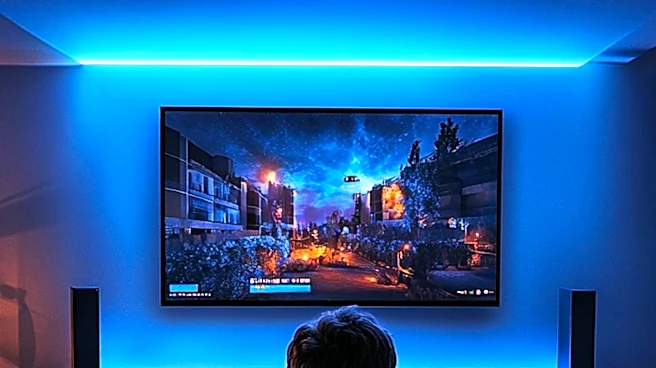
and limited controls. To address these, newer products are focusing on high-quality integrated microphones for precise music synchronization, robust adhesive tapes, and more intuitive control methods, including app-based Bluetooth or Wi-Fi connectivity. High-density LED strips, such as those with 60 LEDs/meter or COB/Neon LED strips, are becoming more prevalent to provide uniform, dot-free lighting. Dimmability is also a key feature, allowing users to adjust brightness for various situations, from task lighting to mood lighting. These improvements are designed to transform room atmospheres for activities like immersive gaming, dynamic parties, or indirect TV lighting.
Why It's Important?
These advancements in LED strip technology are significant for U.S. consumers and the home electronics market. Improved music synchronization and dimmability enhance the functionality and appeal of smart home lighting solutions, potentially driving increased adoption. For consumers, this means more reliable and versatile lighting options that can adapt to different moods and activities, improving overall home ambiance and entertainment experiences. The focus on higher LED density and better control mechanisms also addresses common frustrations with earlier, lower-quality products, leading to greater customer satisfaction and potentially reducing product returns. This trend could also spur innovation among manufacturers to develop even more sophisticated and user-friendly lighting solutions, impacting the competitive landscape of the smart home and lighting industries.
What's Next?
The continued evolution of LED strip technology is likely to focus on further integration with smart home ecosystems and enhanced user customization. Future developments may include more sophisticated AI-driven lighting adjustments based on user preferences or environmental factors. Manufacturers will likely continue to refine microphone sensitivity and control app interfaces to offer seamless and intuitive experiences. The demand for high-quality, versatile mood lighting is expected to grow, pushing companies to innovate in areas such as energy efficiency, durability, and aesthetic integration into home decor. We may also see more specialized LED products tailored for specific uses, such as professional gaming setups or therapeutic lighting applications, further expanding the market.
Beyond the Headlines
Beyond the immediate product improvements, the shift towards more sophisticated and customizable LED lighting reflects a broader cultural trend towards personalized and experiential living spaces. As technology becomes more integrated into daily life, consumers are increasingly seeking products that enhance their well-being and allow for self-expression. The ability to dynamically change a room's atmosphere with light, synchronized to music or adjusted for mood, taps into psychological aspects of comfort and engagement. This trend also raises questions about the environmental impact of increased electronic device consumption, though LED technology is generally more energy-efficient than traditional lighting. The emphasis on 'human-centric lighting' in other contexts, such as hospitals, suggests a growing recognition of light's profound effect on human physiology and psychology, which could eventually influence residential lighting design even further.