





What's Happening?
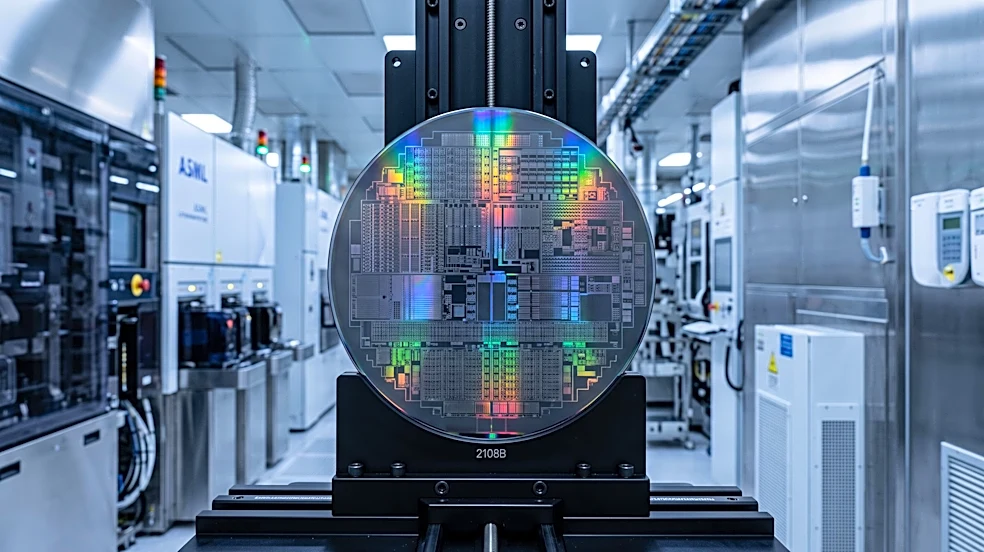
Taiwan's technology industry is a global leader, particularly in the semiconductor sector, driven by companies like Taiwan Semiconductor Manufacturing Company (TSMC) and United Microelectronics Corporation (UMC). These firms produce advanced semiconductors
essential for smartphones, cars, and AI applications. TSMC's CEO, CC Wei, emphasized the critical role of continuous innovation in the semiconductor industry's future. Beyond semiconductors, Taiwanese companies such as Foxconn (Hon Hai Precision Industry) and Pegatron are heavily investing in artificial intelligence (AI) research and development. Foxconn has established a dedicated AI research center focused on computer vision and natural language processing, while Pegatron, a major electronics manufacturer, is also concentrating on AI and 5G technologies. The industry's strong emphasis on research and development is evident, with Taiwan's R&D expenditure accounting for 3.4% of its GDP in 2020, a significant portion of which comes from the tech sector. This investment fuels advancements in 5G networks and AI-powered healthcare solutions.
Why It's Important?
Taiwan's dominance in semiconductor manufacturing is crucial for the global technology supply chain, including the United States. Companies like TSMC are primary suppliers for major U.S. tech firms, making their innovation and production capabilities vital for American industries ranging from consumer electronics to automotive and defense. The advancements in AI by Taiwanese companies like Foxconn and Pegatron also have significant implications for U.S. technological progress, potentially influencing the development of AI-powered solutions in manufacturing, healthcare, and telecommunications. A robust and innovative Taiwanese tech sector ensures a diverse and competitive global market for critical components and technologies, reducing reliance on single sources and fostering continued technological evolution that benefits U.S. businesses and consumers. Any disruption to this industry could have widespread economic and strategic repercussions for the U.S.
What's Next?
Taiwan's tech industry is expected to continue its growth trajectory, with a strong focus on emerging technologies such as AI, 5G, and the Internet of Things (IoT). Companies like TSMC and Foxconn are anticipated to further lead breakthroughs in these areas. The industry will also explore new applications for augmented reality/virtual reality (AR/VR) and blockchain technologies. To maintain its competitive edge against other Asian tech hubs, Taiwan's tech sector will need to sustain high levels of investment in research and development. The Taiwanese government is actively supporting this by launching funding programs for AI and 5G research and establishing innovation hubs and incubators to foster startups and small and medium-sized enterprises (SMEs). Addressing the shortage of skilled workers in AI and software development through STEM education and training programs will also be a key focus to ensure continued innovation and growth.
Beyond the Headlines
The sustained innovation and leadership of Taiwan's tech industry, particularly in semiconductors and AI, highlight a broader geopolitical and economic dynamic. The concentration of advanced manufacturing capabilities in Taiwan creates both strategic advantages and vulnerabilities. For the U.S., this means a critical reliance on a region with complex geopolitical considerations. The continuous push for R&D in Taiwan underscores a global race for technological supremacy, where control over advanced manufacturing processes and AI development can dictate future economic and military power. Furthermore, the industry's challenges, such as intense competition and the need for a stronger startup ecosystem, reflect universal pressures faced by leading tech economies. The efforts to bolster talent pipelines through STEM education also point to a worldwide recognition of human capital as the ultimate driver of technological progress and innovation.