






What's Happening?
The North America agriculture gateway market is experiencing significant growth, driven by advancements in precision farming and connectivity technologies. In 2025, the market was valued at USD 1.07 billion and is projected to grow to USD 2.03 billion by 2035,
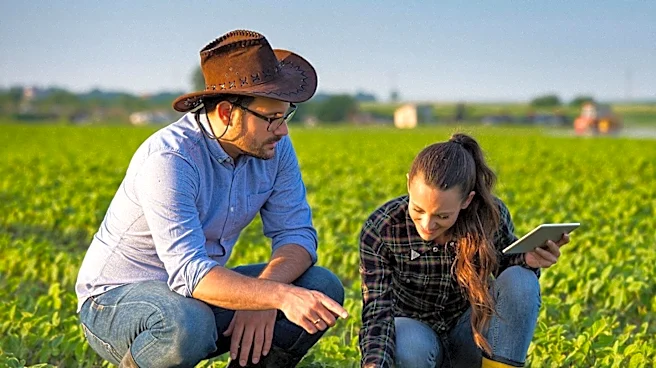
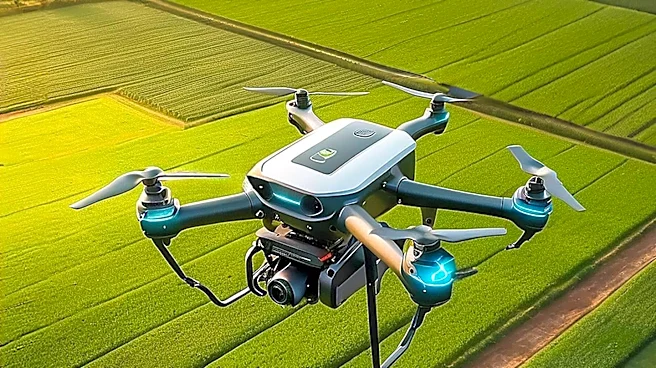
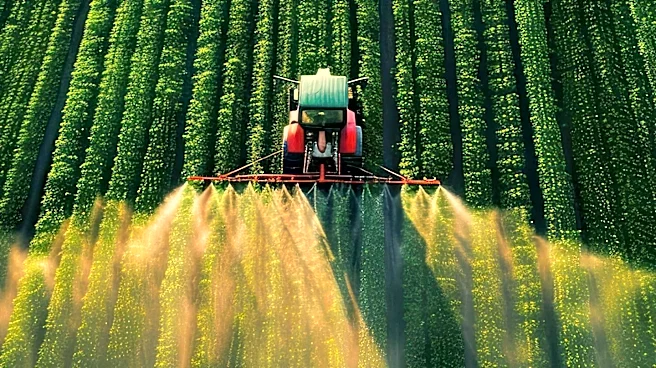
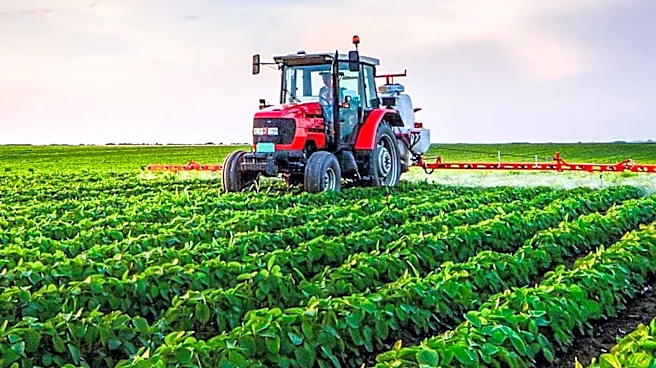
with a compound annual growth rate (CAGR) of 6.4%. Precision farming, which includes GPS-guided equipment navigation and yield monitoring, represents the largest application segment. The adoption of cloud-based farm management platforms is elevating data transmission requirements, leading to architectural upgrades across commercial farming operations. Wireless connectivity, particularly through LTE and 5G, dominates the market, enabling real-time data transmission and remote machine control. The U.S. leads the market, driven by large-scale commercial row crop operations and high precision agriculture adoption rates.
Why It's Important?
The growth of the agriculture gateway market is crucial for enhancing the efficiency and sustainability of farming practices in North America. Precision farming technologies allow for more accurate application of inputs, reducing waste and environmental impact. The integration of advanced connectivity solutions facilitates real-time monitoring and management of agricultural operations, improving productivity and resource use. This market expansion supports the broader agtech ecosystem, fostering innovation and investment in agricultural technologies. As the demand for sustainable and efficient farming practices increases, the agriculture gateway market plays a pivotal role in meeting these needs, benefiting farmers, consumers, and the environment.
What's Next?
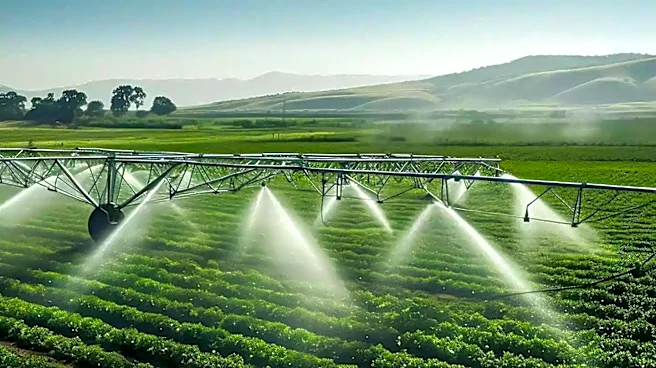
The agriculture gateway market is expected to continue its growth trajectory, with further advancements in connectivity and precision farming technologies. Manufacturers are likely to invest in enhanced hardware designs to meet the demanding operational conditions of agricultural environments. The expansion of wireless connectivity, including LoRaWAN and satellite communication, will enable more comprehensive coverage and data transmission capabilities. As regulatory pressures and environmental concerns drive the adoption of smart irrigation and other sustainable practices, the market will see increased demand for integrated solutions. Stakeholders, including farmers, technology providers, and policymakers, will need to collaborate to address challenges such as interoperability and cybersecurity.