







What's Happening?
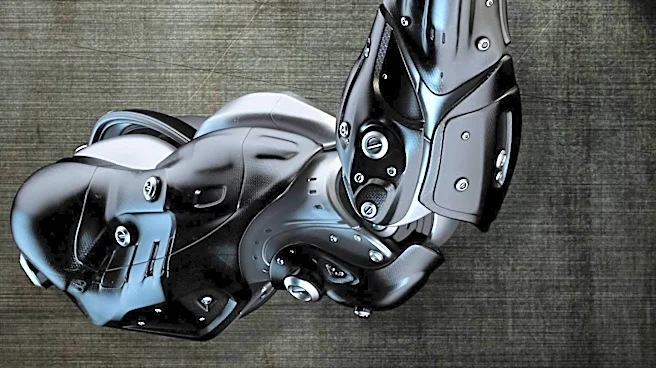
The Hypershell X Ultra S exoskeleton, a new wearable technology, has been tested for its ability to assist individuals with mobility challenges. The device, priced at $1,999, is designed to enhance endurance and reduce fatigue by providing mechanical
assistance to the legs. In a test conducted at the Grand Canyon, the exoskeleton allowed a user with spinal stenosis to hike 12,000 steps without a cane. The device features a battery-powered system that attaches to the waist and legs, providing support during activities like hiking and cycling. While it does not transform users into 'superheroes,' it offers significant assistance in maintaining mobility and reducing physical strain.
Why It's Important?
The development of exoskeleton technology represents a significant advancement in assistive devices for individuals with mobility impairments. By enhancing endurance and reducing fatigue, such devices can improve the quality of life for people with conditions like spinal stenosis, arthritis, or muscle weakness. This technology could also benefit the elderly, enabling them to maintain independence and engage in physical activities. As the population ages, the demand for effective mobility aids is likely to increase, making innovations like the Hypershell X Ultra S crucial for healthcare and rehabilitation. Additionally, the technology's potential applications in occupational settings, such as construction or logistics, could enhance worker safety and productivity.