





What's Happening?
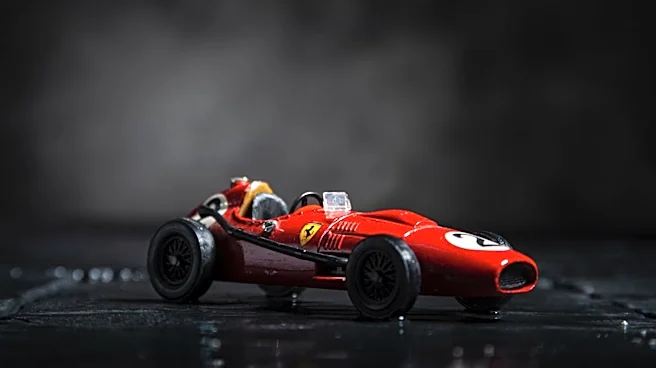
A three-quarter-scale, electric-powered tribute car, the Ferrari Testa Rossa J 'Lucybelle II,' sold for $75,000 at Gooding & Christie's Pebble Beach sale. This price was significantly below its estimated value of $140,000-$180,000. Despite not being a full-scale,
combustion-engine Ferrari, the car was hand-built by Hedley Studios and received authentication from Ferrari's Classiche department and Centro Stile Ferrari. This authentication process involved using the factory's original 1957 archive drawings. The 'Lucybelle II' recreates the 250 Testa Rossa 'Pontoon Fender,' a renowned sports-racing Ferrari from the 1950s. It features hand-formed aluminum bodywork, working interior lights and instruments, and an electric motor. The car is equipped with genuine 12-inch Borrani wire wheels, Pirelli Cinturato tires, Bilstein dampers, Eibach springs, Brembo calipers, and a Nardi steering wheel. Its livery specifically replicates chassis 0732TR, 'Lucybelle II,' which was driven by Americans Ed Hugus and Ray 'Ernie' Erickson and placed 7th at Le Mans in 1958. The tribute car even includes hand-applied weathering to mimic post-race patina.
Why It's Important?
The sale of the Ferrari Testa Rossa J 'Lucybelle II' provides a crucial data point for the emerging market of manufacturer-blessed, heritage-grade tribute vehicles. While the car's authentication by Ferrari's Classiche department signifies a formal recognition of this 'bridge category' by the luxury automaker, its sale price below estimate indicates that the market for such items is still developing and finding its true valuation. This suggests that while collectors value verified history and meticulous craftsmanship, the premium for a scaled, electric tribute, even with factory involvement, is not yet on par with that of genuine, full-scale classic cars. The meticulous recreation, including the specific livery and simulated patina, highlights a shift in collector interest towards documented motorsport narratives and stories rather than solely raw performance or pristine condition. This approach by Ferrari could be a strategic move to engage a new generation of collectors, introducing them to the brand's heritage through accessible, albeit high-end, tribute pieces.
What's Next?
The outcome of this auction will likely influence how Ferrari and other luxury automotive brands approach the creation and marketing of similar heritage-grade tribute vehicles. Future projects in this category may see adjustments in pricing strategies or marketing emphasis based on market reception. Ferrari's continued involvement through its Classiche department in authenticating and overseeing such projects suggests a long-term commitment to this segment, potentially expanding the range of tribute models or increasing production numbers if demand grows. The market will continue to observe how these 'museum-quality scale vehicles' are traded and valued, providing more clarity on their investment potential. For collectors, the focus will remain on the authenticity of the narrative and the fidelity of the recreation, rather than just the brand name, as they seek to acquire pieces that tell a compelling story from motorsport history.
Beyond the Headlines
This event underscores a broader trend in the luxury goods market where authenticity and narrative play an increasingly significant role, sometimes even overshadowing pure performance or originality. Ferrari's decision to apply the same rigorous authentication standards to a three-quarter-scale electric car as it does to multi-million-dollar restorations reveals a strategic bet on the emotional and historical value of its brand. It suggests that the company is exploring new ways to monetize its rich heritage and engage a younger demographic of enthusiasts who may not yet be in a position to acquire a full-scale classic. This approach could redefine what constitutes a 'collectible' in the automotive world, moving beyond traditional metrics of horsepower and rarity to include meticulously crafted, story-driven tributes. The ethical implications of authenticating a non-original, scaled product as 'Ferrari' are also noteworthy, as it blurs the lines between replica, tribute, and genuine article, potentially setting a precedent for other heritage brands.