





What's Happening?
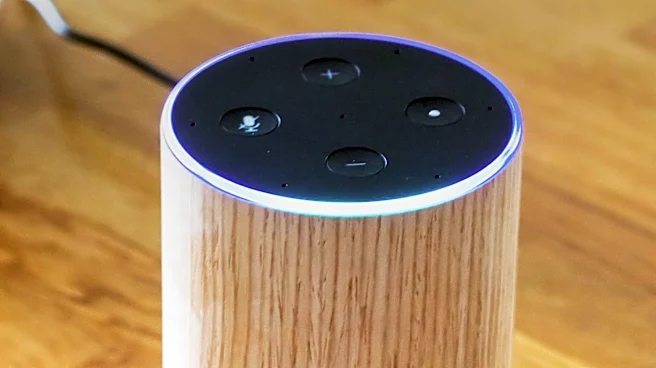
Bee, an Amazon company, has implemented a 'Zero Operator Access' (ZOA) architecture for its personal artificial intelligence (AI) device. This wearable AI device is designed to listen to a user's day, understand interactions, and remember commitments,
providing tailored assistance. Given the sensitive nature of the data handled—including health, finances, and family conversations—Bee has engineered its system to prevent any operator, including Bee engineers, other Amazon employees, or AWS infrastructure operators, from accessing customer data. This is achieved through a multi-layered security approach that includes user-held encryption keys, EC2 instance attestation, network isolation, ephemeral storage, and stringent organizational controls. The core principle is that users retain control over who can read their data, with the Bee app verifying the server's software integrity before sharing any decryption keys. This robust security framework aims to protect highly personal user information from unauthorized access.
Why It's Important?
The implementation of Zero Operator Access by Bee sets a significant precedent for data privacy in the personal AI device market. As AI devices become more integrated into daily life and handle increasingly sensitive personal information, the assurance of data protection is paramount for user trust and adoption. This architecture directly addresses growing concerns about how personal data is managed and accessed by technology companies. By ensuring that even internal operators cannot access user data, Bee aims to differentiate itself in a competitive landscape where data breaches and privacy violations are major concerns. This approach could influence industry standards for AI device security, pushing other companies to adopt similar stringent privacy measures. For consumers, it offers a higher degree of confidence that their most private conversations and data remain confidential and under their control, potentially accelerating the acceptance of always-on AI assistants.
What's Next?
Bee plans to further enhance its security by migrating its inference operations to Amazon Bedrock Mantle, which offers zero operator access as a managed capability. This move indicates a continuous commitment to strengthening data protection measures and leveraging advanced AWS services designed for secure AI workloads. User-held keys and attested application servers will remain integral to Bee's architecture, ensuring ongoing protection from operator access. This evolution suggests a trend towards more secure, privacy-centric AI development within Amazon. Other AI companies may observe Bee's approach and potentially adopt similar ZOA models, especially as regulatory bodies and consumers demand greater transparency and control over personal data. The success and adoption of Bee's ZOA model could drive broader industry shifts in how personal AI devices are designed and secured.
Beyond the Headlines
The Zero Operator Access model implemented by Bee represents a significant philosophical shift in data stewardship, moving beyond traditional security measures to a 'trust no one' approach, even within the organization. This model addresses not only external threats but also the potential for insider access, which is a critical, often overlooked, vulnerability. Ethically, it reinforces the principle of data sovereignty, empowering users with ultimate control over their personal information. Legally, such robust privacy frameworks could help companies navigate evolving data protection regulations, potentially setting a new benchmark for compliance. Culturally, it could foster greater public trust in AI technologies, which have often been met with skepticism due to privacy concerns. This development could lead to a broader industry re-evaluation of data access policies, pushing for architectures where data is inherently inaccessible to service providers, thereby redefining the relationship between users and their digital assistants.