



What's Happening?
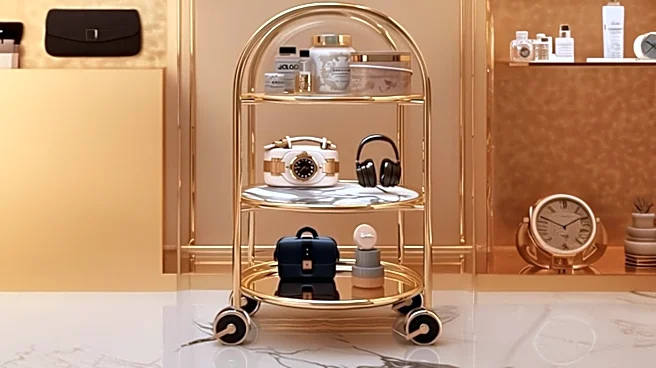
Luxury brands are increasingly leveraging detailed customer notes and data to provide highly tailored experiences, a strategy that is scalable across various business sectors. This approach focuses on blending online and offline interactions to create
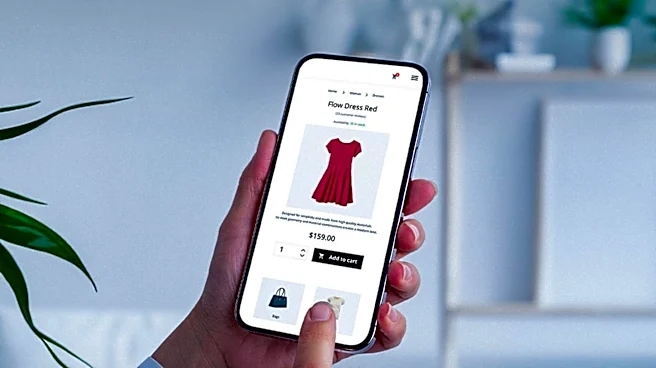
seamless, personalized journeys that maintain the exclusivity and allure inherent to the luxury segment. Key strategies include enhancing the in-store experience by designing immersive spaces for customer connection, hosting art installations or workshops, and enabling online fulfillment for in-store product exploration. Brands are also utilizing technology, such as tablets for customization options, and leveraging online data like browsing habits and purchase history to pre-select items for in-store appointments. Omnichannel integration ensures a unified experience across all touchpoints, offering features like appointment booking and virtual consultations. Furthermore, the role of sales staff is being redefined, transforming them into brand ambassadors equipped with tools to access customer profiles and build long-term relationships.
Why It's Important?
This strategic shift by luxury brands is crucial for maintaining customer loyalty and relevance in a competitive market. By personalizing experiences, brands can foster deeper connections with their clientele, moving beyond transactional relationships to create lasting engagement. The integration of digital and physical touchpoints addresses evolving consumer expectations, particularly among those who research products online before visiting stores. This approach allows luxury brands to preserve their exclusive image while embracing technological advancements. For the broader business landscape, it demonstrates the value of data-driven personalization and omnichannel strategies, offering a blueprint for other industries seeking to elevate their customer service and retention efforts. Businesses that successfully implement these strategies stand to gain a significant competitive advantage by delivering unparalleled customer satisfaction.
What's Next?
The future of luxury retail will likely see further advancements in personalized customer experiences, driven by more sophisticated data analytics and AI. Brands may invest in predictive analytics to anticipate customer needs and preferences, offering proactive recommendations and services. The integration of augmented reality (AR) and virtual reality (VR) could become more prevalent, providing immersive virtual try-on experiences or virtual store tours. Sales staff will continue to evolve into highly skilled brand advisors, potentially utilizing advanced CRM systems with real-time customer insights. There will also be an increased focus on sustainability and ethical practices, with brands using data to track product lifecycles and communicate their responsible sourcing efforts to discerning customers. The goal will be to create an even more seamless, intuitive, and ethically conscious luxury shopping journey.
Beyond the Headlines
The emphasis on detailed customer notes and data in luxury retail raises important ethical considerations regarding data privacy and security. Brands must ensure transparent data collection practices and robust security measures to protect sensitive customer information. Legally, compliance with data protection regulations, such as GDPR and CCPA, will be paramount. Culturally, this hyper-personalization reflects a societal shift towards individualized consumption, where consumers expect brands to understand and cater to their unique preferences. This trend could also lead to a more exclusive and curated shopping environment, potentially widening the gap between mass-market and luxury retail experiences. The long-term implication is a retail landscape where customer relationships are built on trust, personalization, and a deep understanding of individual desires, transforming shopping into a highly bespoke service rather than a mere transaction.