





What's Happening?
The Arctic Route, running along Russia’s northern coast, is gaining traction as an increasingly important option for maritime shipping between Europe and Asia. This route offers a significantly shorter distance compared to the traditional Suez Canal passage.
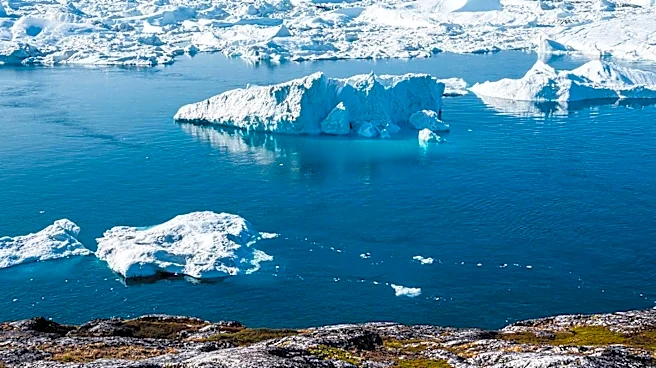
For instance, the Hamburg-Yokohama route via the Northern Sea Route is approximately 7,356 nautical miles, while the Suez Route is about 11,585 nautical miles. Under favorable conditions, this can reduce voyage time from 32 days to approximately 18 days, leading to substantial advantages in fuel consumption and transit times. The melting of sea ice in the Arctic Ocean is making this route more navigable, contributing to its growing appeal amidst geopolitical tensions and security issues affecting traditional trade chokepoints like the Suez and Panama Canals. While not yet a complete alternative, the Arctic Route is seen as a way to reduce global maritime trade's dependence on a single route.
Why It's Important?
The emergence of the Arctic Route as a viable shipping lane has significant implications for global trade and supply chains, including those impacting the U.S. A shorter, more efficient route between Europe and Asia could lead to reduced shipping costs and faster delivery times for goods, potentially benefiting U.S. businesses involved in international trade. It could also diversify global supply chains, making them less vulnerable to disruptions in traditional chokepoints. However, the route presents its own challenges, such as variable ice conditions, the need for icebreakers, limited port infrastructure, higher insurance costs, and search-and-rescue capabilities. These factors affect the economic feasibility and widespread adoption of the route. The shift could also influence geopolitical dynamics, as control and access to the Arctic become more strategically important, potentially impacting U.S. foreign policy and defense considerations in the region.
What's Next?
The future development of the Arctic Route will depend on a complex interplay of factors beyond just its shorter distance. Cost, security, climate considerations, infrastructure development, emissions regulations, and the overall vulnerability of global trade will all play a role in its evolution. Continued melting of sea ice will likely enhance navigability, but the economic viability will hinge on investments in supporting infrastructure and services. Stakeholders, including shipping companies, governments, and environmental organizations, will need to address the technical, financial, and environmental challenges associated with operating in the Arctic. The route is not expected to fully replace the Suez Canal in the near term but will likely grow in importance as a complementary option, gradually reducing the reliance on single trade corridors and reshaping global maritime logistics.
Beyond the Headlines
The increasing viability of the Arctic Route raises deeper questions about the long-term impacts of climate change on global commerce and geopolitics. While offering economic benefits through shorter transit times, it also highlights the environmental consequences of a warming planet. The opening of new Arctic shipping lanes could lead to increased maritime traffic in a fragile ecosystem, posing risks of pollution and disruption to Arctic wildlife. Furthermore, the strategic importance of the Arctic region is escalating, potentially leading to increased competition and cooperation among nations, including the U.S., for resources, trade routes, and territorial claims. This development could necessitate new international agreements and regulations to ensure safe, sustainable, and equitable use of the Arctic, transforming global trade patterns and international relations.