





What's Happening?
Retinoids, particularly prescription tretinoin, are identified as the most effective topical treatment for crepey skin, showing strong evidence for improving fine lines, texture, and pigmentation. This is based on multiple randomized, vehicle-controlled
trials that demonstrate new collagen production in the dermis. Over-the-counter retinol, a weaker form, also contributes to skin improvement but with less robust data. In contrast, oral collagen peptides, while showing modest improvements in hydration and elasticity in smaller, often industry-funded trials, do not have the same level of conclusive evidence for visible changes in crepey skin. The article emphasizes that retinoids work locally by signaling skin cells to behave in a younger pattern, promoting faster epidermal turnover and increased collagen production, while collagen in creams is too large to penetrate the skin and acts only as a moisturizing film. Sun protection is highlighted as the single best-supported preventive measure against skin aging.
Why It's Important?
This information is crucial for consumers navigating the vast and often misleading market of skincare products, particularly those targeting signs of aging like crepey skin. The clear distinction between evidence-backed treatments like retinoids and less proven options such as oral collagen supplements or topical collagen creams can help individuals make more informed decisions, potentially saving them money and time on ineffective products. For the beauty and pharmaceutical industries, this underscores the importance of investing in research and development for ingredients with demonstrable efficacy, like retinoids, and could influence marketing strategies to be more transparent about product claims. Healthcare providers, especially dermatologists, gain reinforced guidance on recommending treatments, prioritizing sun protection and retinoids as primary interventions, with supplements considered optional and requiring clinician consultation. This clarity can lead to better patient outcomes and more efficient use of healthcare resources.
What's Next?
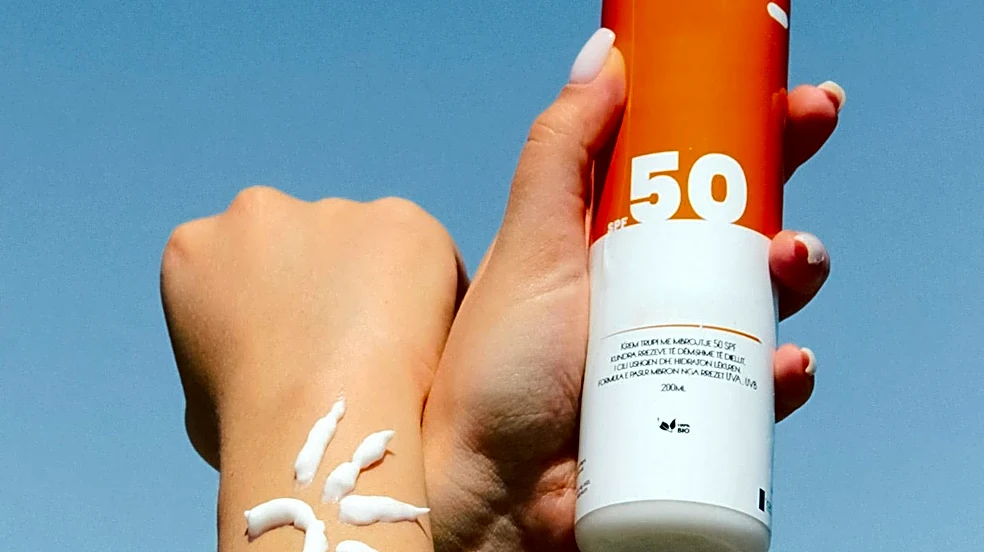
Consumers are advised to prioritize daily broad-spectrum sunscreen and consider incorporating retinoids into their skincare regimen, consulting with a clinician for prescription-strength options like tretinoin, especially given potential irritation and sun sensitivity. The ongoing debate and research into the efficacy of oral collagen peptides will likely continue, with a need for larger, independent studies to provide more definitive conclusions. The skincare industry may see a continued focus on developing new retinoid formulations that minimize irritation while maximizing effectiveness, and potentially more transparent labeling regarding the scientific backing of ingredients. Dermatologists will likely continue to educate patients on the hierarchy of evidence for anti-aging treatments, emphasizing prevention through sun protection and the proven benefits of retinoids over less substantiated claims.
Beyond the Headlines
The disparity in evidence between retinoids and other popular anti-aging products like collagen supplements highlights a broader issue within the wellness and beauty industries: the prevalence of marketing claims that outpace scientific validation. This situation can lead to consumer confusion and financial expenditure on products with limited or no proven benefits. The emphasis on sun protection as the most effective preventive measure against skin aging also underscores a public health message that often gets overshadowed by quick-fix solutions. This article implicitly calls for greater scrutiny of product claims and a reliance on scientific evidence, fostering a more informed consumer base and potentially driving regulatory bodies to enforce stricter guidelines on advertising in the skincare sector. It also touches upon the ethical considerations of industry-funded research and the need for independent studies to ensure unbiased results.