






What's Happening?
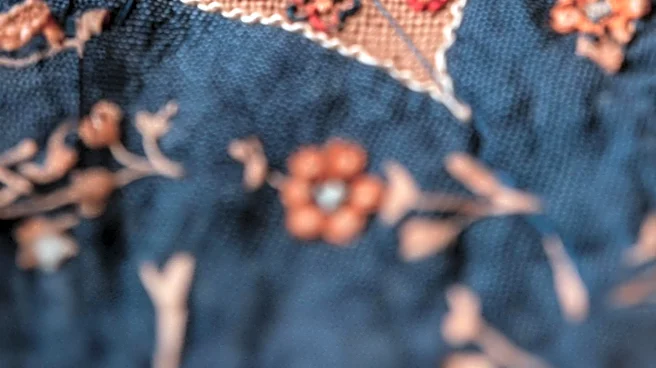
Cincinnati residents are actively resisting the throwaway culture of fast fashion by participating in mending workshops and embracing clothing repair. Organizations like Goodwill are initiating new approaches to waste reduction by hosting workshops that
teach individuals how to mend their clothes. Sherwood MacVeigh, Vice President of Marketing at Goodwill, highlighted that only about half of clothing donations are suitable for resale, with the rest being sent for recycling into materials like insulation. The broader fashion industry lacks sufficient recycling infrastructure, leading to significant textile waste in landfills or shipped to low-income countries. Community groups, such as the Crunchy Leaves Sustainability Collaborative, also host monthly mending meetups where participants learn various sewing techniques like Sashiko mending and darning. Natalie Reed, who coordinates Miami University's fashion program, notes that younger generations, particularly Gen Z, are driving this resurgence in mending and sustainable clothing choices.
Why It's Important?
This movement is crucial in addressing the escalating global pollution crisis caused by textile waste. The fast fashion industry's rapid production and disposal cycles contribute immense amounts of non-biodegradable materials to landfills, exacerbating environmental degradation. By teaching and promoting clothing repair, these initiatives empower individuals to extend the lifespan of their garments, directly reducing waste and fostering a more sustainable consumption model. This shift also challenges the prevailing consumer mindset that views clothing as disposable. Furthermore, the resurgence of mending skills, often lost in modern education, reconnects individuals with traditional crafts and promotes a sense of self-sufficiency and creativity. It signifies a growing public demand for practical solutions to environmental problems and a rejection of unsustainable industrial practices.
What's Next?
The growing interest in mending workshops and sustainable fashion practices suggests a potential for wider adoption across communities. Organizations like Goodwill and local sustainability groups may expand their educational offerings, reaching more individuals interested in textile repair. This trend could also influence educational institutions to reintroduce practical skills like sewing into curricula, further empowering younger generations with tools for sustainable living. As consumer awareness grows, there might be increased pressure on fashion brands to design more durable clothing and invest in repair services or take-back programs. The success of these local initiatives could serve as a model for broader community-led efforts to combat waste and promote circularity in the fashion industry nationwide.
Beyond the Headlines
The resurgence of mending goes beyond mere waste reduction; it represents a cultural reclamation of craftsmanship and a rejection of hyper-consumerism. In an increasingly digital world, hands-on activities like sewing offer a tangible connection to material goods and a sense of accomplishment. Ethically, it promotes a more mindful relationship with possessions, encouraging care and longevity over constant replacement. This movement also highlights socio-economic disparities, as the burden of textile waste often falls on developing nations. By embracing mending, communities are not only addressing environmental concerns but also fostering resilience, self-reliance, and a deeper appreciation for the resources consumed. It signifies a subtle but powerful shift towards valuing durability and repair over novelty and disposability, potentially influencing broader societal attitudes towards consumption and resource management.