


What's Happening?
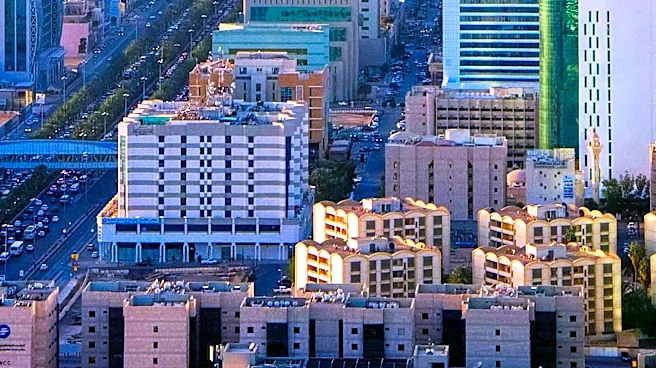
Saudi Arabia is spearheading a significant hotel expansion across the Middle East, with 110,000 rooms currently under development. This accounts for approximately half of the region's total hotel pipeline. These projects are spread across key locations
within the Kingdom, including Riyadh, Makkah, Madinah, Diriyah, NEOM, the Red Sea, and Amaala. This extensive development is part of a broader $90 billion hotel development initiative spanning the GCC and North Africa, which is projected to add around 200,000 rooms and increase the region's existing hotel supply by 27%. According to hospitality consultancy HVS, about 88,000 rooms are under construction, with an additional 25,000 in final planning stages. Over 55% of these upcoming hotels are expected to open by 2030. Hala Matar Choufany, President of Middle East, Africa and South Asia at HVS, noted that this expansion demonstrates continued investor confidence in the region's tourism and hospitality sectors.
Why It's Important?
This massive investment in hotel infrastructure is crucial for Saudi Arabia's Vision 2030, which aims to diversify its economy away from oil and significantly boost its tourism sector. The Kingdom has already surpassed its initial target of attracting 100 million visitors annually and is now aiming for 150 million visitors by 2030. To support this goal, the Ministry of Tourism plans to increase the country's hotel room supply to over 550,000 by 2030 and raise tourism's contribution to the GDP to 10%. In 2025, tourism spending reached approximately SR304 billion ($81 billion). The development also highlights a broader trend of economic diversification and growth in the Middle East, with significant capital backing tourism ambitions. The incorporation of branded residences and mixed-use projects in these developments indicates a strategic approach to maximize revenue streams and attract diverse segments of travelers and residents.
What's Next?
The ongoing construction and planning phases suggest a continuous influx of new hotel properties and tourism infrastructure in Saudi Arabia and the wider region, with over half of the new hotels expected to open by 2030. This will likely lead to a substantial increase in tourism capacity and a more competitive hospitality market. The focus on government-backed investment vehicles and public-private partnerships indicates a sustained commitment to financing these large-scale projects. As these developments come online, Saudi Arabia will continue to push towards its 2030 tourism targets, potentially attracting more international visitors and further solidifying its position as a major global tourism destination. The success of these initiatives could also encourage further investment in related sectors, such as entertainment, retail, and transportation, to support the growing tourism ecosystem.
Beyond the Headlines
The extensive hotel development in Saudi Arabia reflects a profound shift in the Kingdom's economic strategy, moving beyond its traditional reliance on oil. This initiative is not merely about increasing hotel rooms but about creating entirely new tourism destinations and experiences, such as NEOM and the Red Sea projects, which are designed to attract a global audience. This transformation has significant cultural and social implications, as the influx of international tourists and the development of new leisure activities will inevitably influence local customs and societal norms. Furthermore, the scale of investment and the rapid pace of development underscore the Kingdom's ambition to become a global economic powerhouse and a leader in the tourism and hospitality industries. The long-term success of these projects will depend on sustainable tourism practices, effective management of cultural integration, and the ability to maintain a competitive edge in the global tourism market.